What is education for in a world of climate disruption, AI acceleration, and systemic uncertainty?
Across the world today, we are living through overlapping crises: climate change, biodiversity loss, widening inequality, fragile food systems, rapid urbanisation, and the accelerating influence of AI on work and decision-making. These are not isolated challenges. They interact, amplify one another, and reshape how societies function.
In this context, educators, researchers, and institutions are increasingly asking a more fundamental question—not how to improve education, but what education is for.
The Handbook of Sustainability Literacy frames this shift clearly:
“The purpose of education is not simply to transmit knowledge, but to enable people to understand the consequences of their actions and to participate responsibly in shaping the future.”
Education, from this perspective, is no longer neutral. It is either reinforcing unsustainable systems—or helping people change them.
From knowledge accumulation to sustainability literacy
The Handbook of Sustainability Literacy argues that modern societies are not facing a knowledge deficit, but a literacy deficit—a lack of understanding of how systems actually work: ecological systems, social systems, economic systems, and the relationships between them.
It suggests that sustainability literacy includes the ability to:
- see connections and patterns rather than isolated facts,
- understand limits, feedback loops, and unintended consequences,
- and make decisions that support long-term wellbeing rather than short-term gains.
Crucially, the book emphasizes that this literacy cannot be developed through abstract learning alone, but must be grounded in lived experience and real-world complexity.
This insight resonates strongly with what many professionals and organisations now recognize:
education must move from content delivery to capacity building for transition.
“What is education for?”—a regenerative framing
Pamela Mang, a leading voice in regenerative development, pushes this question further in her essay What is Education For?. She challenges education systems to go beyond preparing people to function within existing structures.
She writes, in essence, that education should help people:
- understand their role within living systems,
- cultivate the capacity to care for life,
- and participate in the ongoing regeneration of social and ecological systems.
Rather than producing “skilled individuals” for the economy, education should help communities develop the collective ability to adapt, learn, and regenerate over time.
This regenerative framing aligns education with life itself—not as a means to an end, but as a continuous, relational process.
Another way to look at How to be resilient:
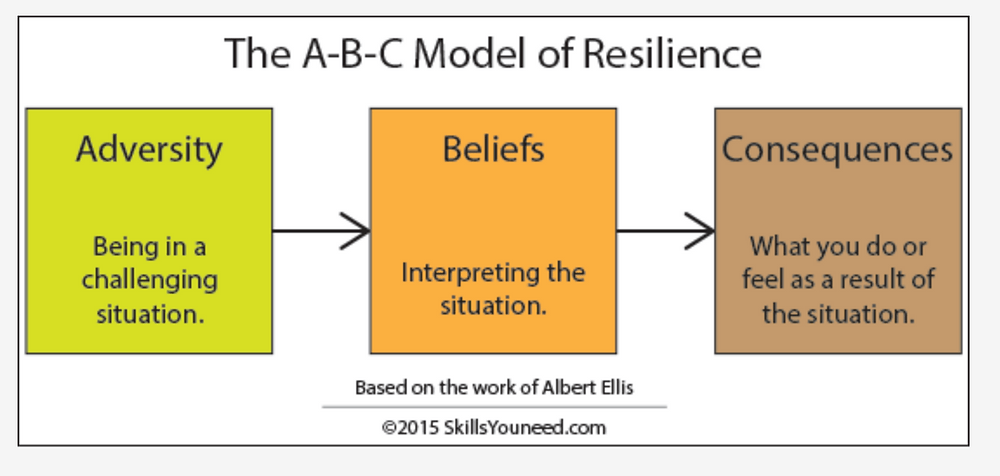
The model clearly shows that, any adversity (A) does not directly lead to consequence (C); instead, it is filtered through our beliefs (B). By reshaping beliefs — about self, others, and the world — we unlock new responses and outcomes.
In this sense, resilience is not about simply “bouncing back.” It’s about learning to respond differently.
Shared challenges, different places
While Green Youth Collective works in specific places—Hoi An and the rural Go Noi area—the challenges we engage with are not only happening in Vietnam.
Hoi An reflects a reality faced by many destinations worldwide:
- tourism growth placing pressure on ecosystems and infrastructure,
- waste systems struggling to keep pace,
- local communities bearing environmental and social costs.
Go Noi reflects another global condition:
- agricultural landscapes under climate stress,
- loss of soil fertility and biodiversity,
- erosion of traditional knowledge and rural livelihoods.
These contexts are local expressions of global patterns.
Education grounded in real-life challenges
Green Youth Collective’s engaged communities learn through:
- growing food and restoring soil,
- managing organic waste and closing resource loops,
- repairing, reusing, and repurposing materials,
- navigating uncertainty in weather, policy influence, and community dynamics,
- working together across differences to solve shared problems.
These experiences build what we call transition skills:
- the capacity to collaborate, adapt, and redesign systems under real constraints.
- the ability to work with nature rather than against it,
- the confidence to act without having all the answers
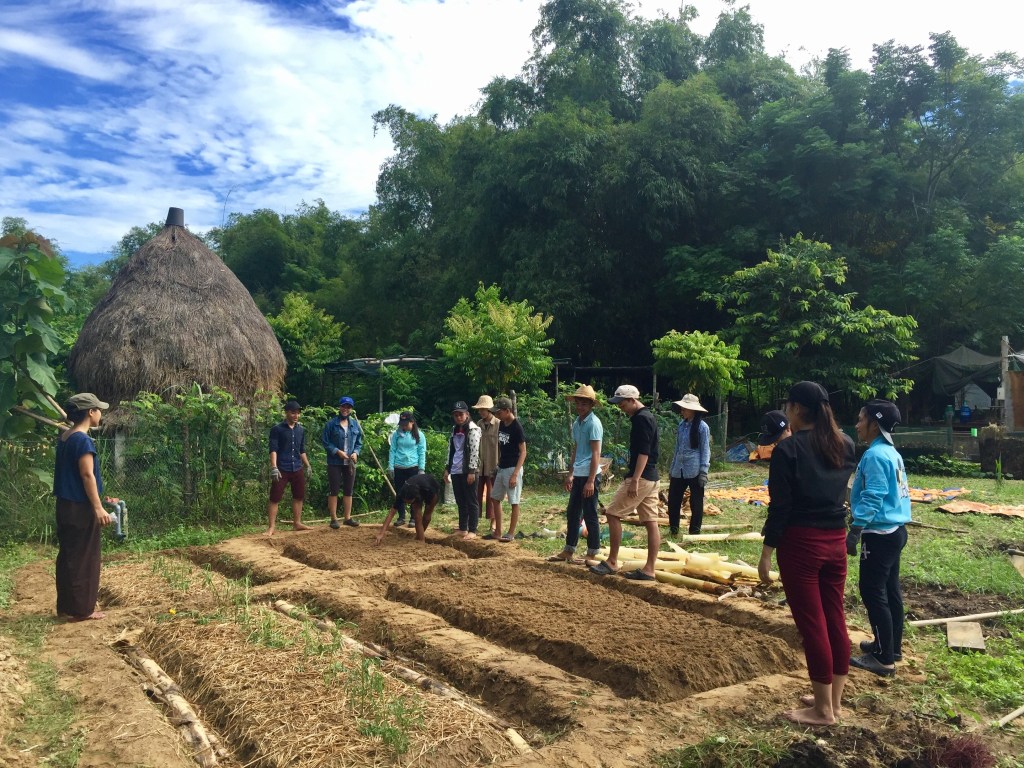
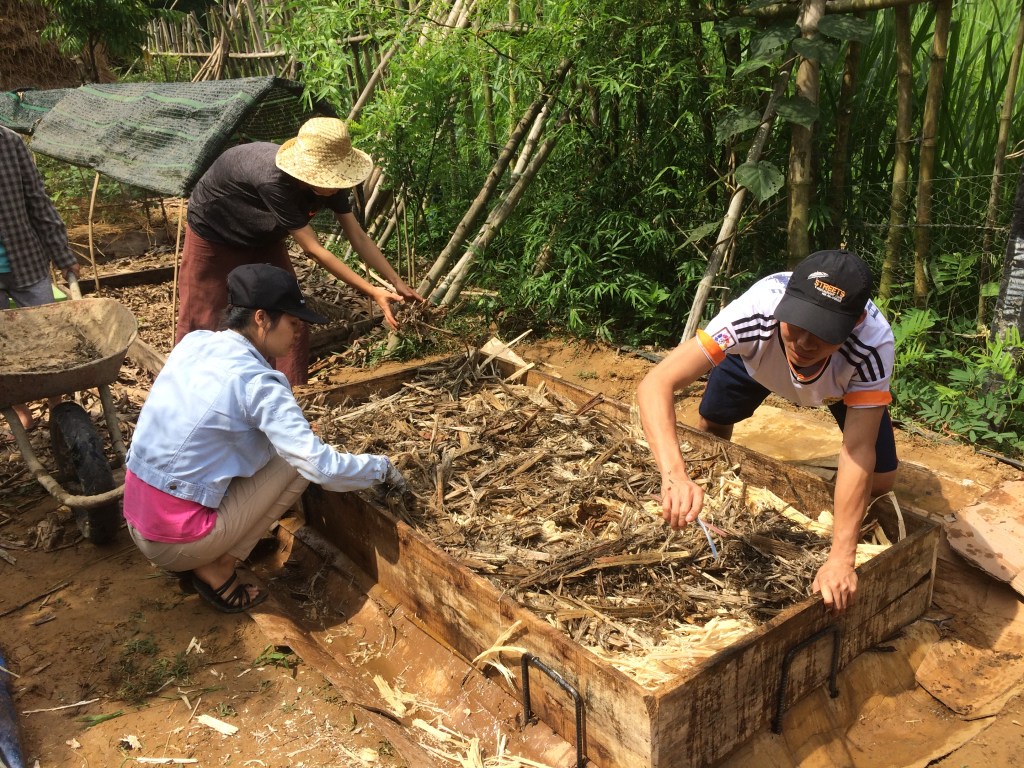
Learning how to grow one’s own food, without compromising the well-being of natural environment and eco-system. The photos are from the training Green Youth Collective conducted with STREETS’ trainees (a social enterprise who provide training for disadvantaged youth nationwide on hospitality).
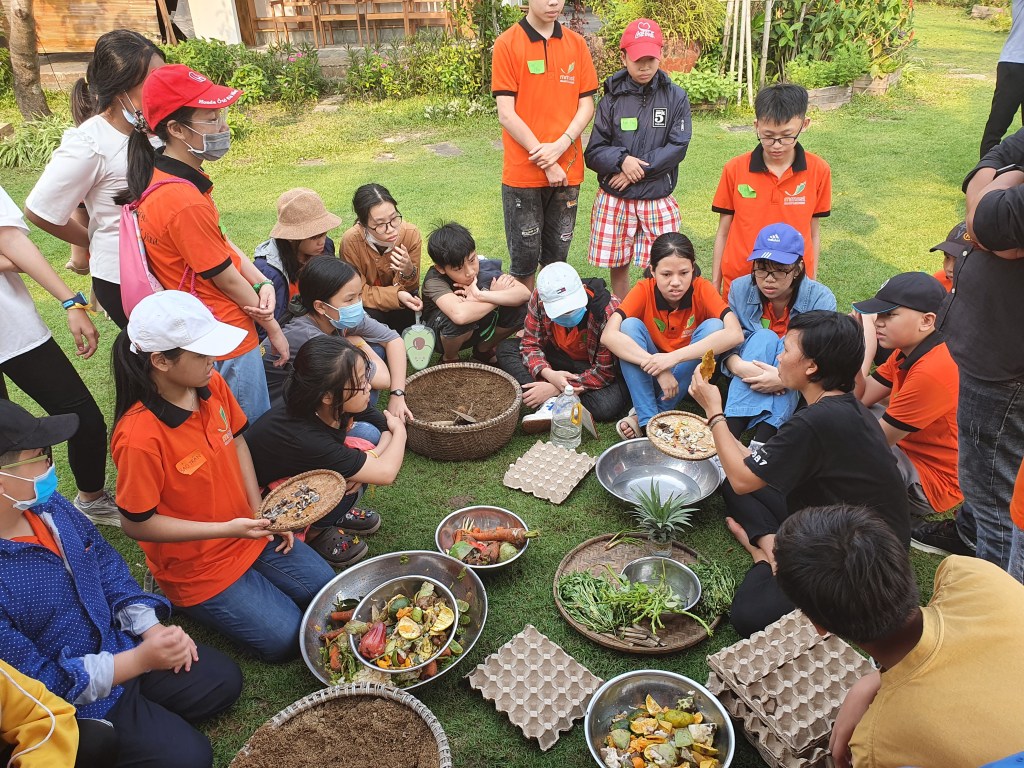
Learning how to turn “waste” into “resource”, turn “scarcity” to “abundance”
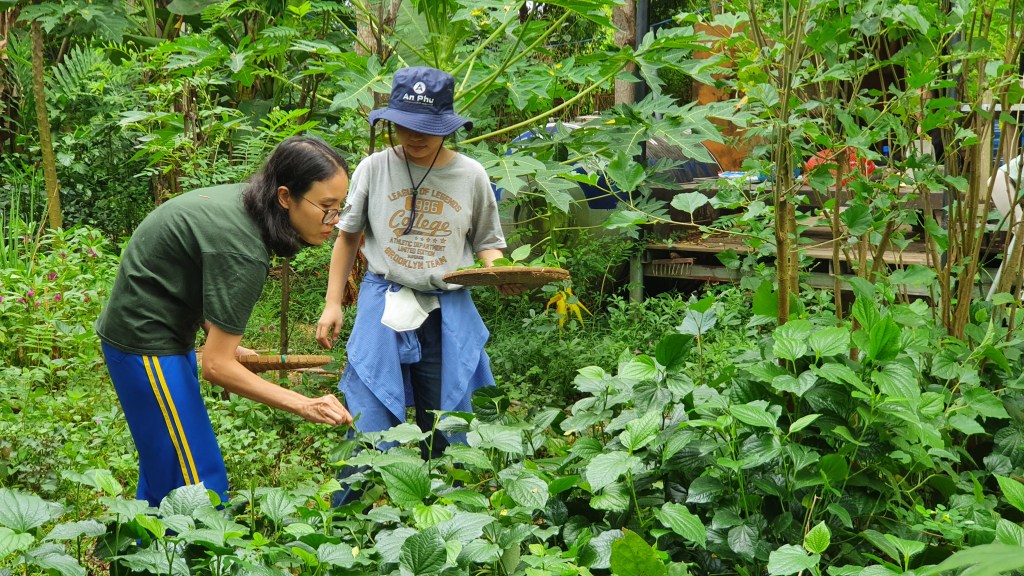
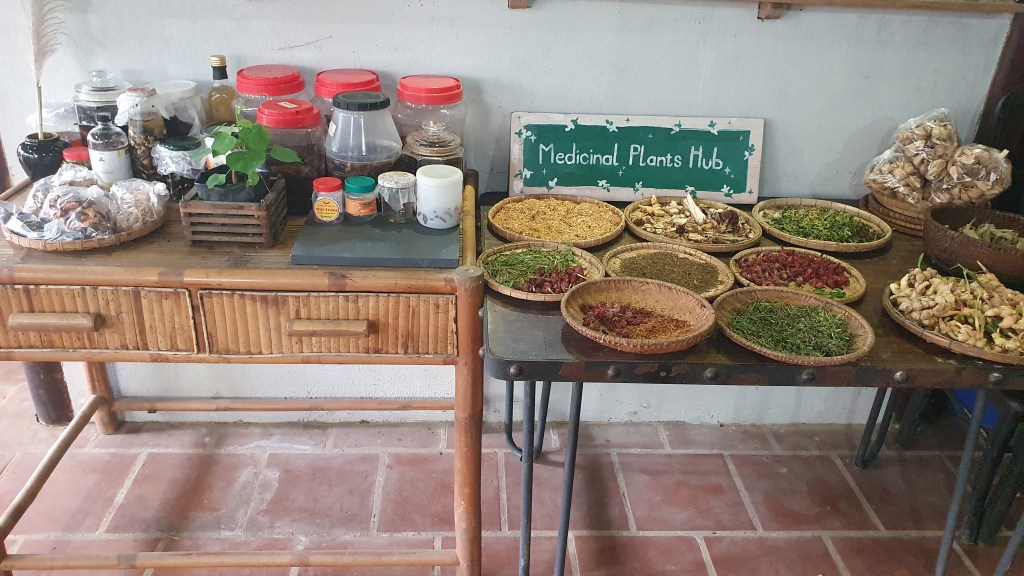
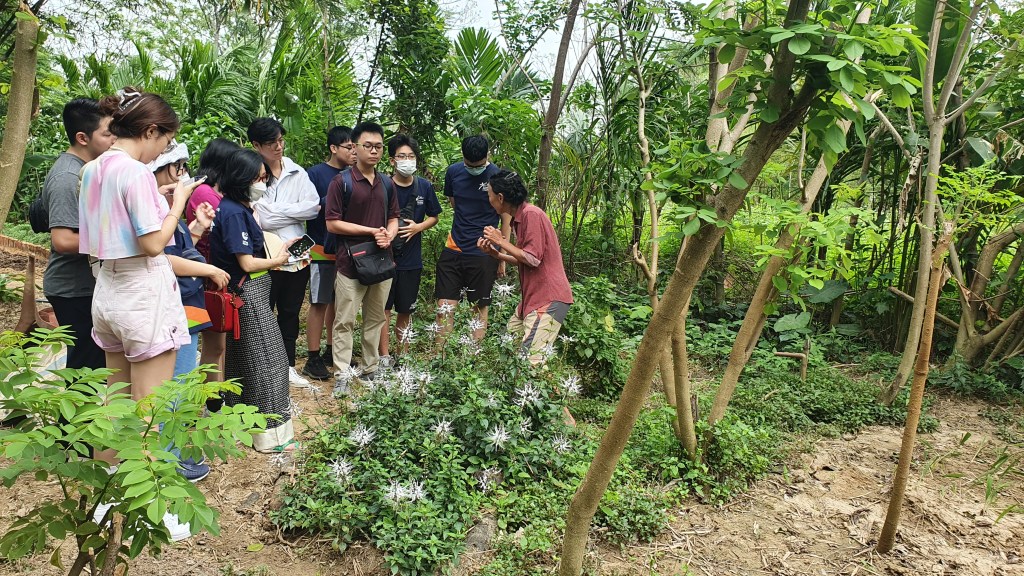
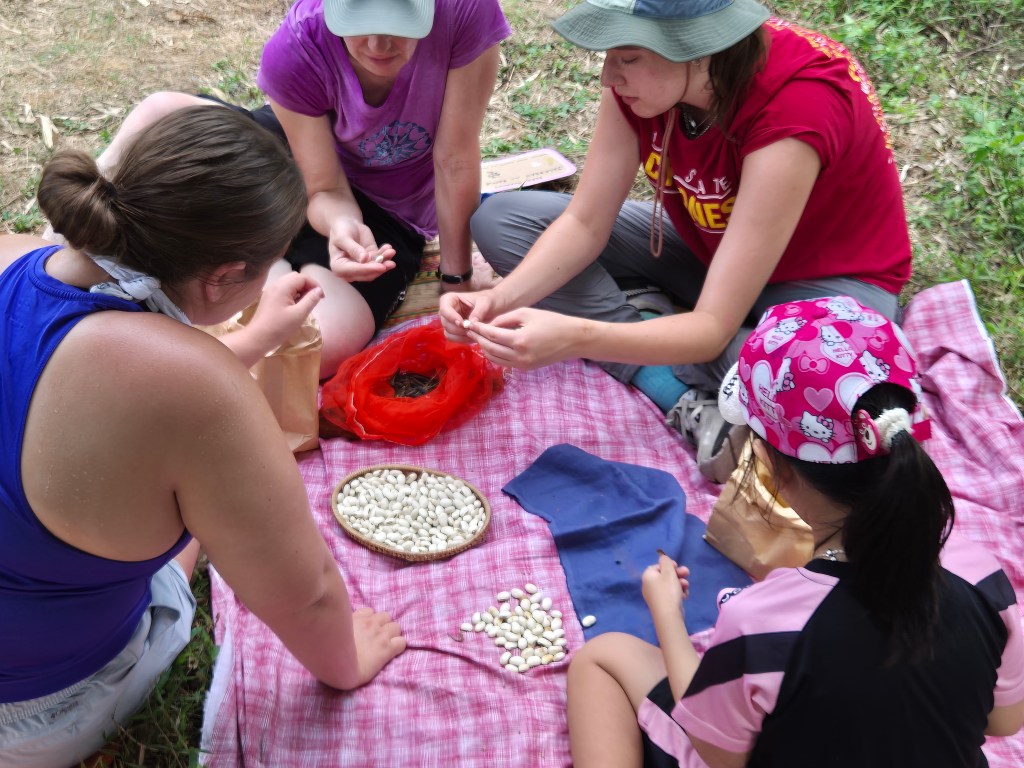
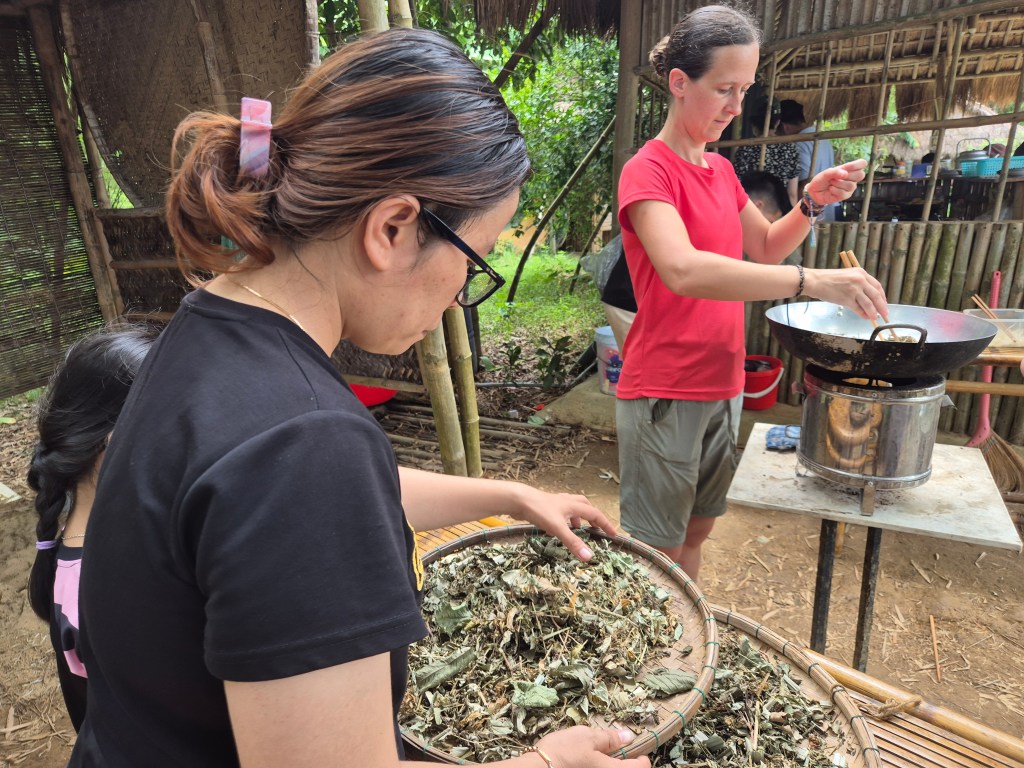
Learning how to identify edible plants in the wilderness, how to grow native, resilient plants in the home & community gardens, how to make natural remedies for preventive health from the available plants in the wilderness gardens.
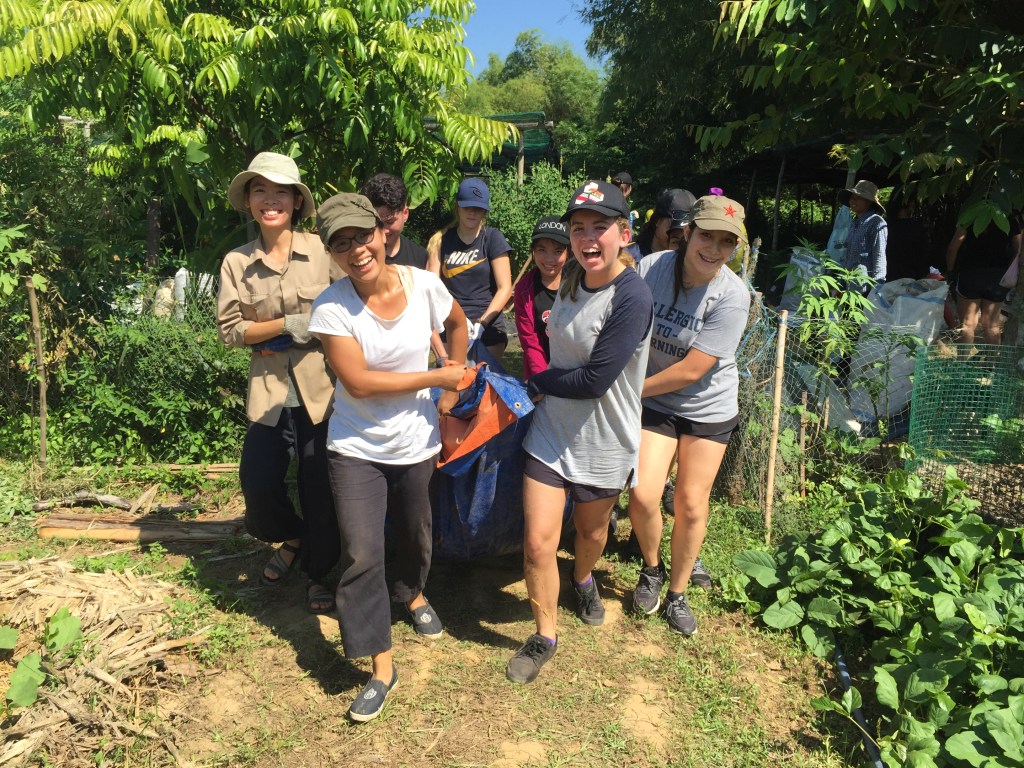
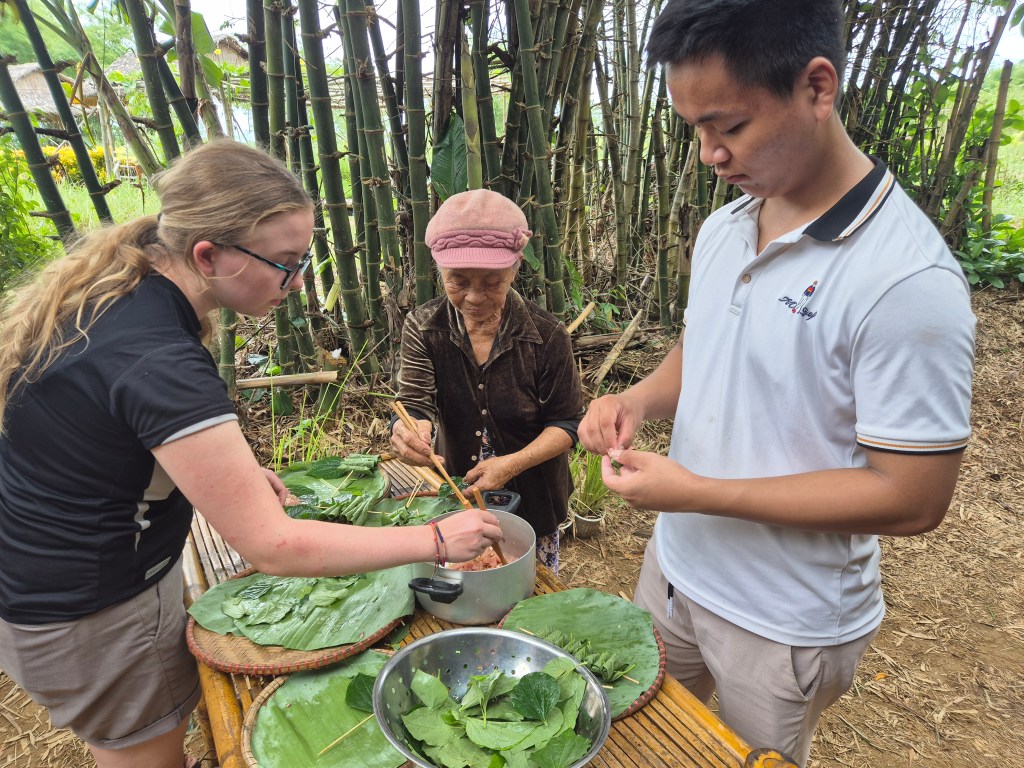
Learning how to work together, beyond cultural differences and language barriers.
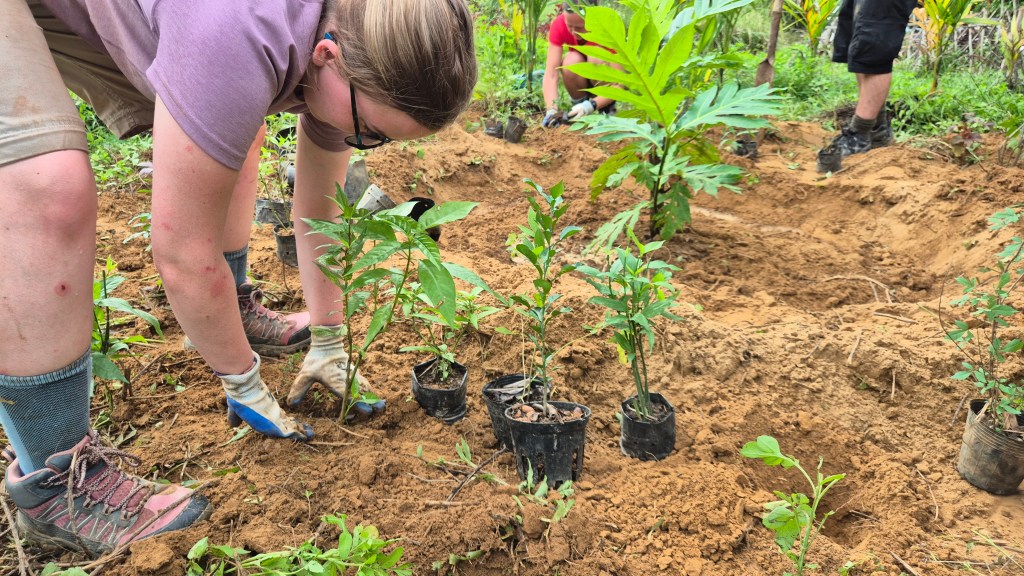
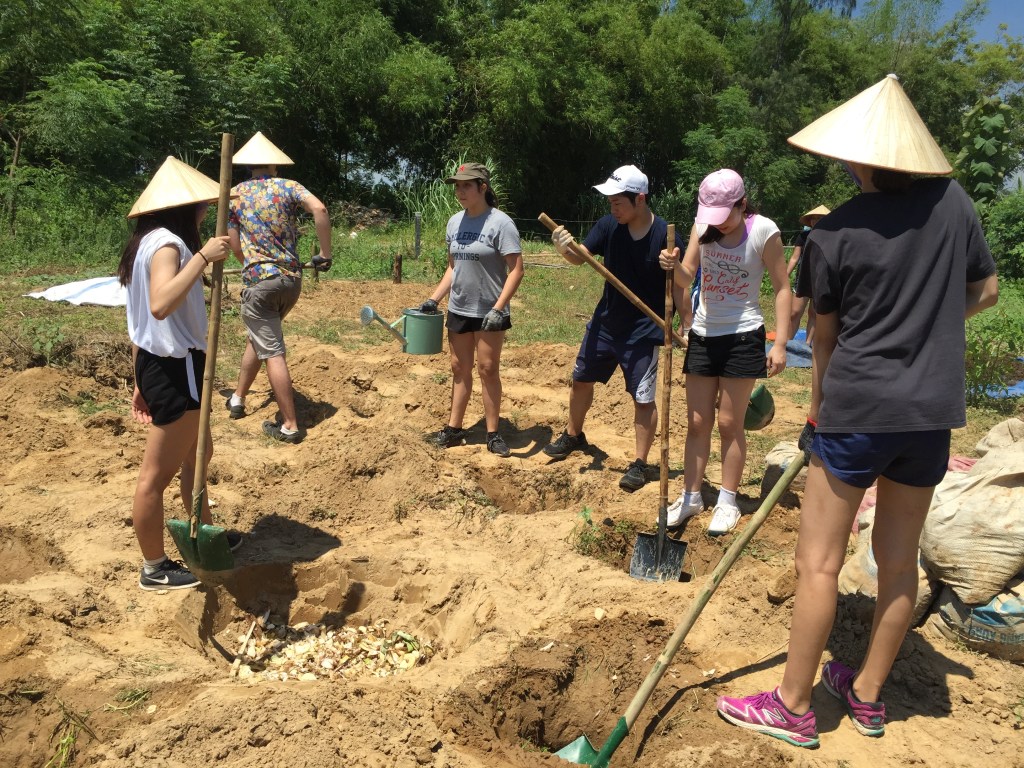
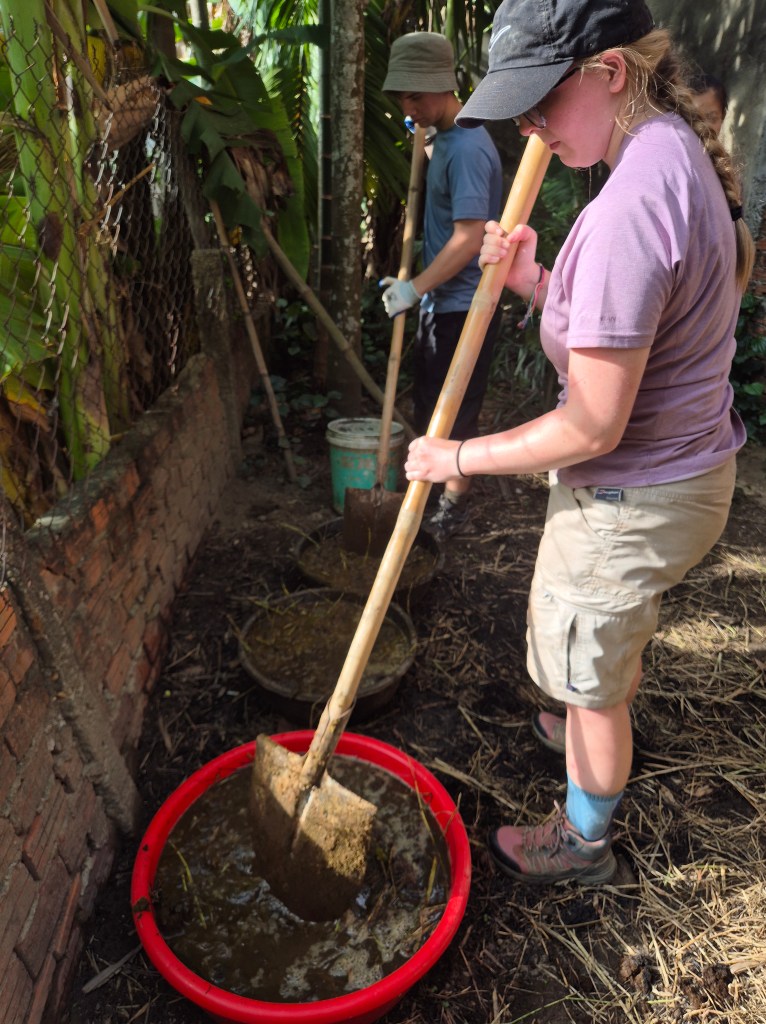
Learning how to work with Nature and to incorporate bio-diversity to help degraded land thrive.
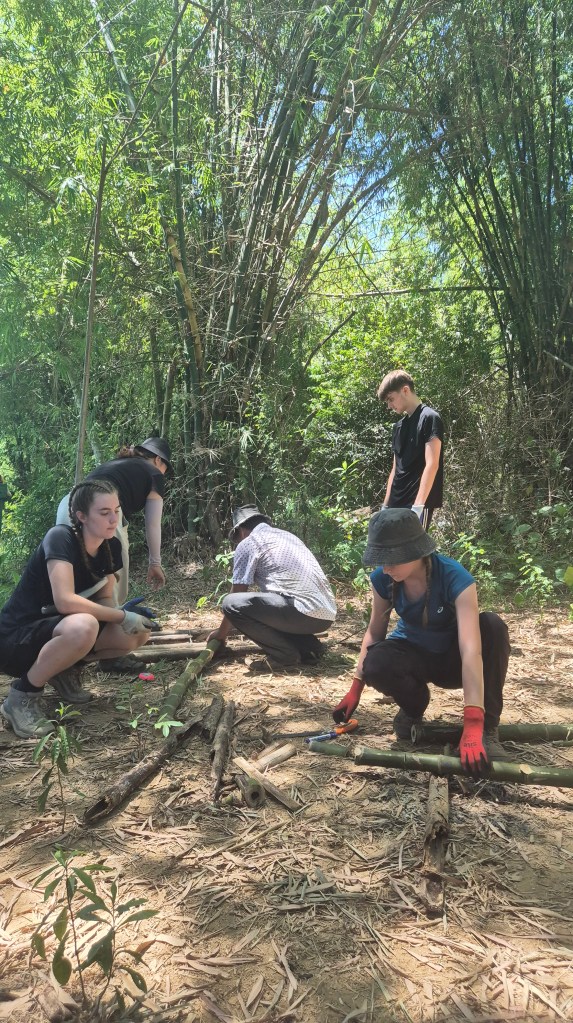
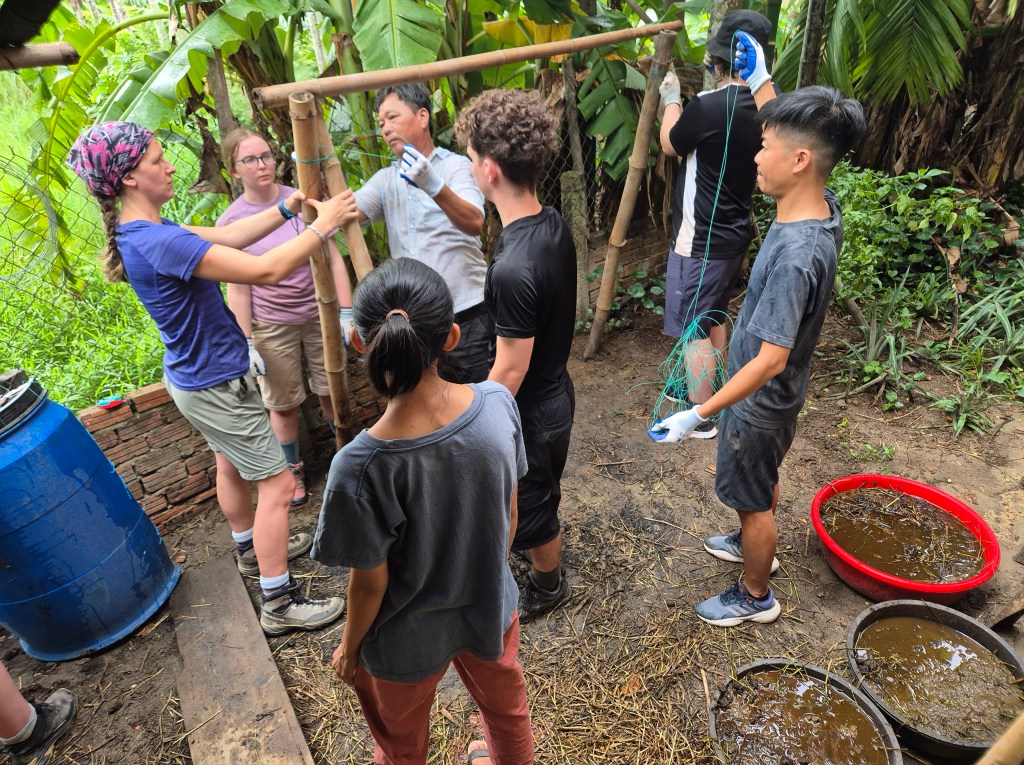
Learning to build from simple tools and with the land materials.
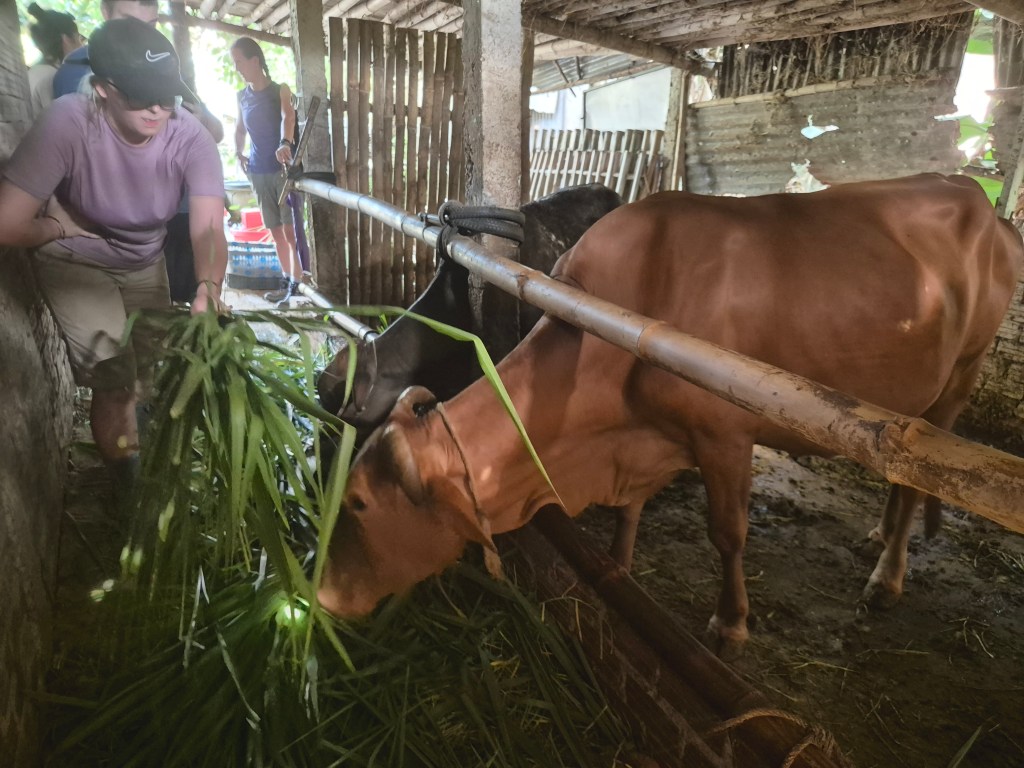
Learning how to care.
Community Schools for Regeneration: learning as lived practice
GYC’s Community Schools for Regeneration are not classrooms in the conventional sense. They are living learning environments, embedded in real systems:
- Zero waste operations and community composting
- Closed-loop farming and agro-ecosystem restoration
- Regenerative tourism and place-based livelihoods
In these spaces, learning happens through participation—through mistakes, adjustments, and shared responsibility. Knowledge flows both ways: from research and policy into practice, and from practice back into wider conversations about sustainability and development.
This approach reflects a core insight from regenerative thinking:
systems learn through action, feedback, and relationships.
Education as a lifelong, collective journey
Resilience and regeneration cannot be taught once and completed.
They are cultivated over time, through repeated engagement with changing conditions.
That is why GYC understands education as:
- lifelong learning
- collective, learning by doing together as much as through individual reflection,
- rooted in place yet connected to global learning networks.
In a world defined by uncertainty, education must help people stay present, stay connected, and stay capable of caring for life—again and again.
An invitation
If you are exploring what education could look like beyond classrooms and curricula—
if you are interested in learning that responds to real challenges, grounded in place and practice—we invite you to learn with us.
At GYC, education is not about preparing for a distant future.
It is about learning how to live, adapt, and regenerate—here and now.
 Vietnam's Community Schools for Regeneration