How can tourism actively restore ecosystems, strengthen local livelihoods, and regenerate community life?
Green Youth Collective (GYC) and REED Regenerative emerged as a response to this gap.
Rather than operating as a single project or campaign, we function as a locally rooted task force—bringing together community action, technical experimentation, education, and destination-level transformation to pioneer regenerative tourism practices in real-world conditions.
We started in Hội An—a heritage town under pressure from mass tourism and a fast-growing throwaway lifestyle.
Rather than operating as isolated projects, our work is structured around three deeply interconnected themes. Together, these themes form a regenerative pathway for tourism destinations.
Theme I – Zero Waste & Resource Management
Theme II – Closed-loop Farming & Community Land Restoration
Theme III – Community School for Regeneration
Below is a guided walkthrough of the concrete projects under each theme—what they do, why they matter, and who benefits.
THEME I: ZERO WASTE & RESOURCE MANAGEMENT
Turning waste into resources, and the marginalised into climate champions
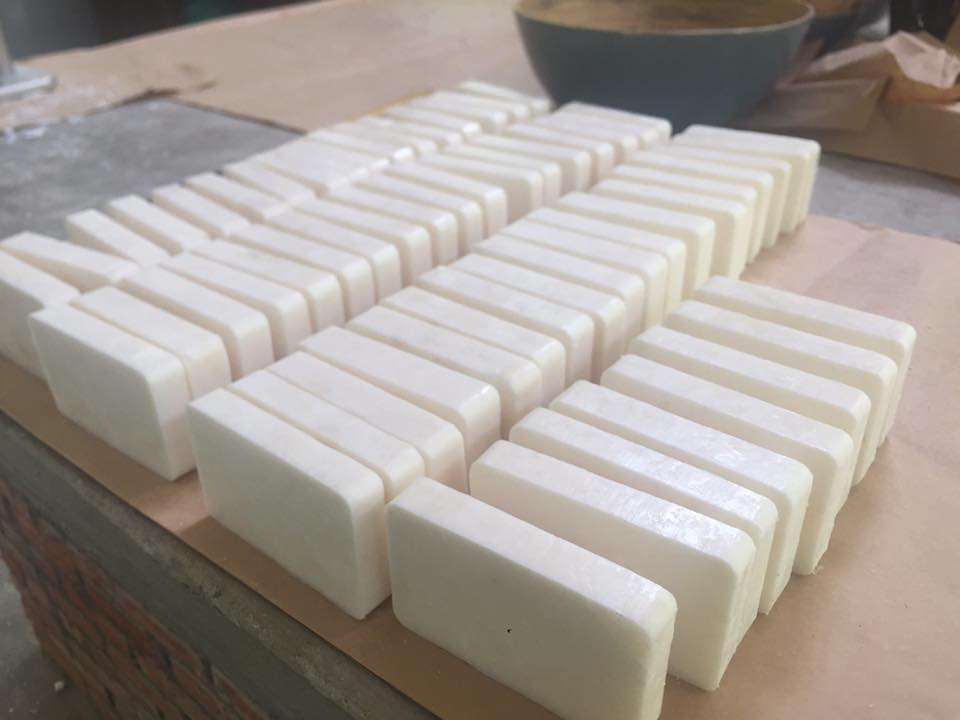
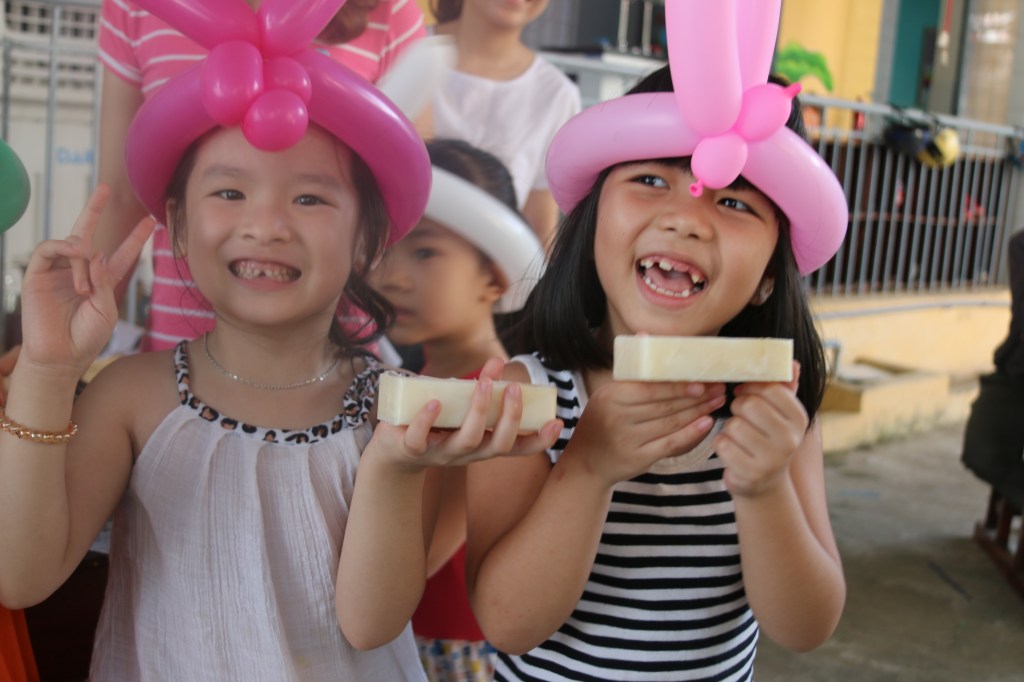
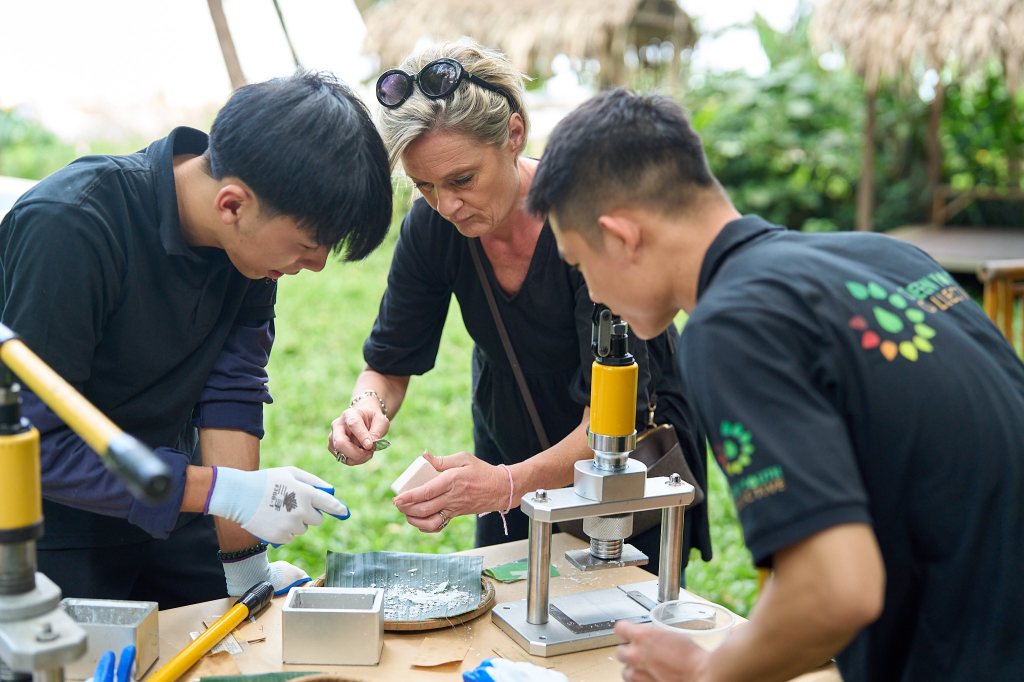
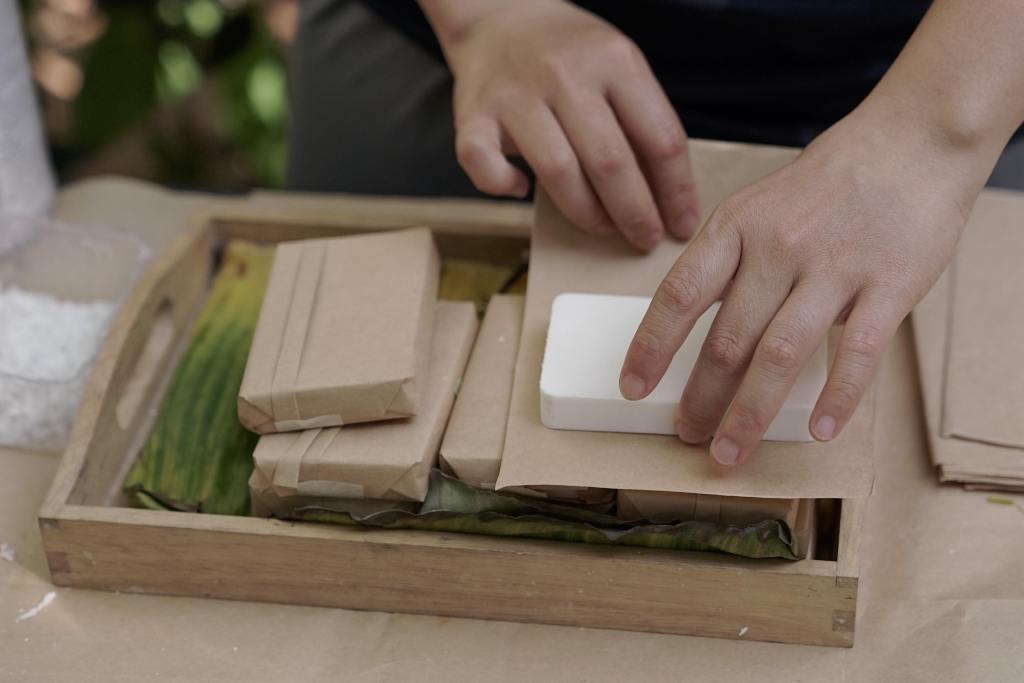
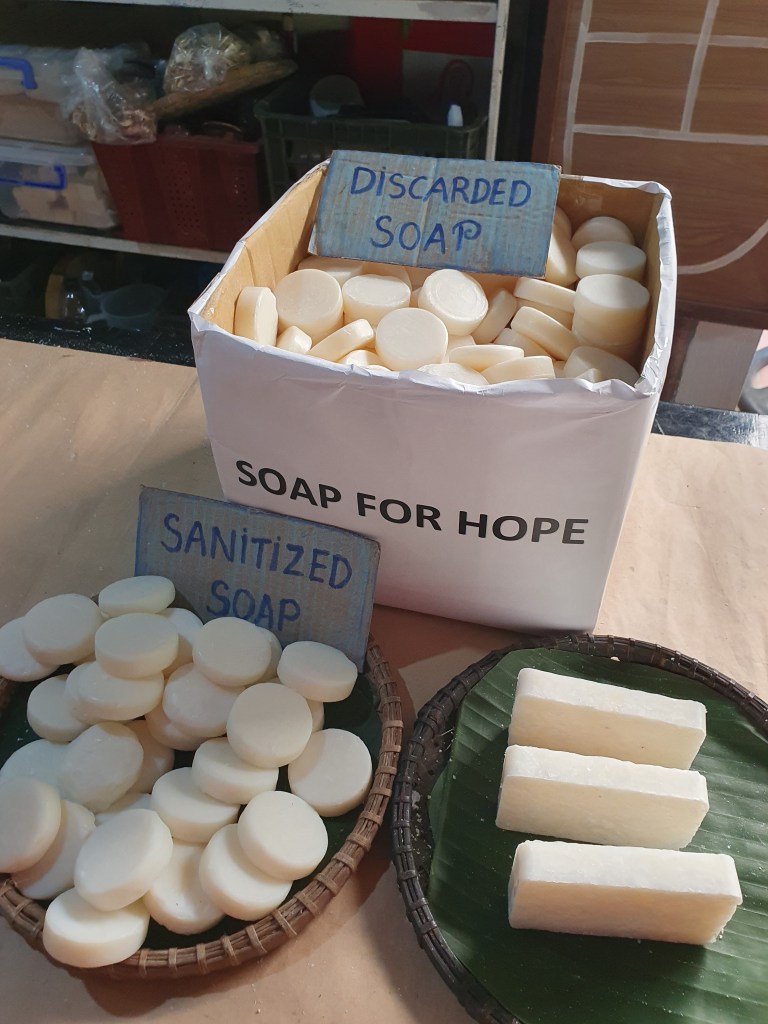
1.1. “Soap for Hope” – Repurposing hotels’ single-use soaps*
* Green Youth Collective is the only organisation in Central Vietnam who is implementing “Soap for Hope” project in partnership with Diversey (trademark) the global company who initiated this.
- Purpose:
- Recover used hotel soap and transform it into new hygiene products.
- Reduce waste and improve access to sanitation for disadvantaged groups.
- Beneficiaries:
- Elderly citizens, children, women, ethnic minorities—anyone lacking access to proper hygiene.
- Hospitality partners seeking responsible disposal of partially used amenity soaps.
- Impact:
- Operated since 2018
- Over 1 ton of soap repurposed
- Hundreds of beneficiaries
- Integrated with community education workshops, CSR events, and tourist experiences.
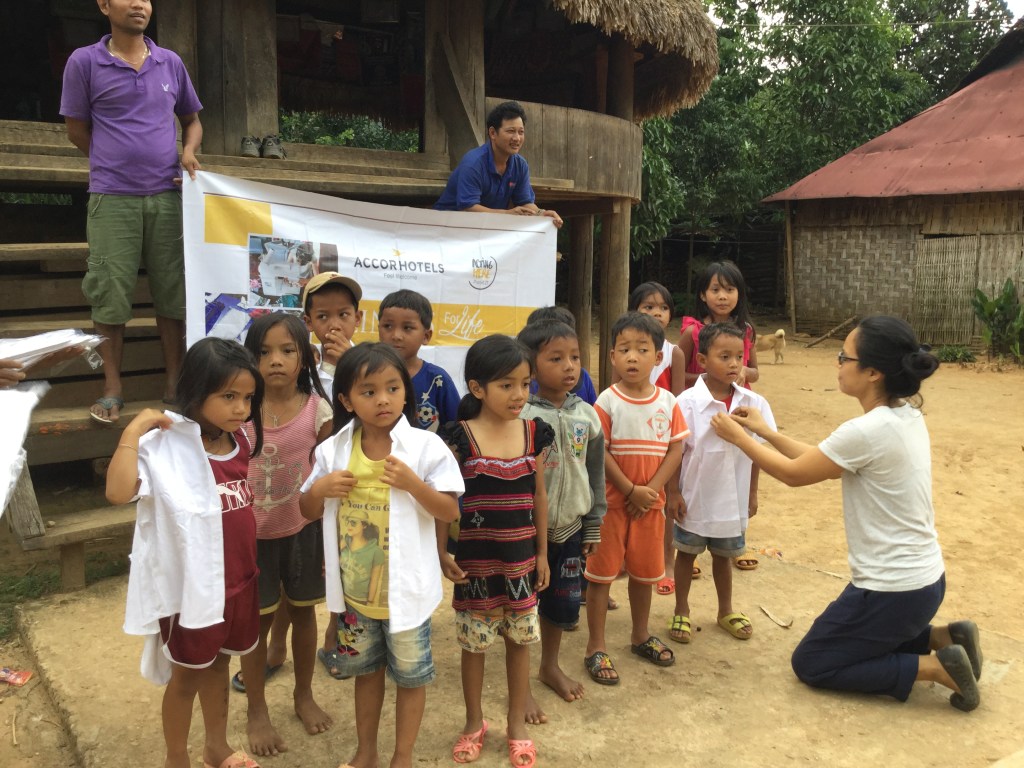
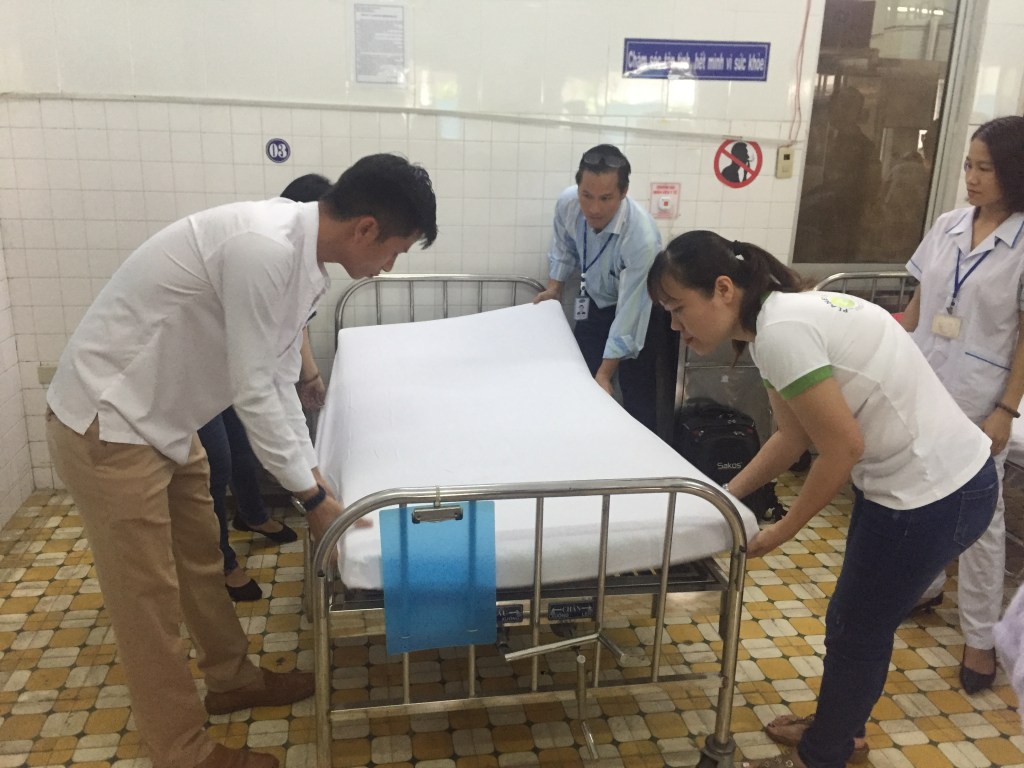
1.2. “Linens for Life” – A second life for hotel linens*
* Green Youth Collective is the only organisation in Central Vietnam who is implementing “Linens for Life” project in partnership with Diversey (trademark) the global company who initiated this.
- Purpose:
- Repurpose discarded hotel linens into new useful products.
- Provide supplementary income for women and people with disabilities.
- Beneficiaries:
- Women, youth with disabilities, and vulnerable groups.
- Children and communities needing uniforms, blankets, and washable textile essentials.
- Impact:
- Operated since 2018
- Over 2 tons of linens reused
- Hundreds of people benefited
- Included in community workshops, CSR activities, and hands-on tourist sessions.

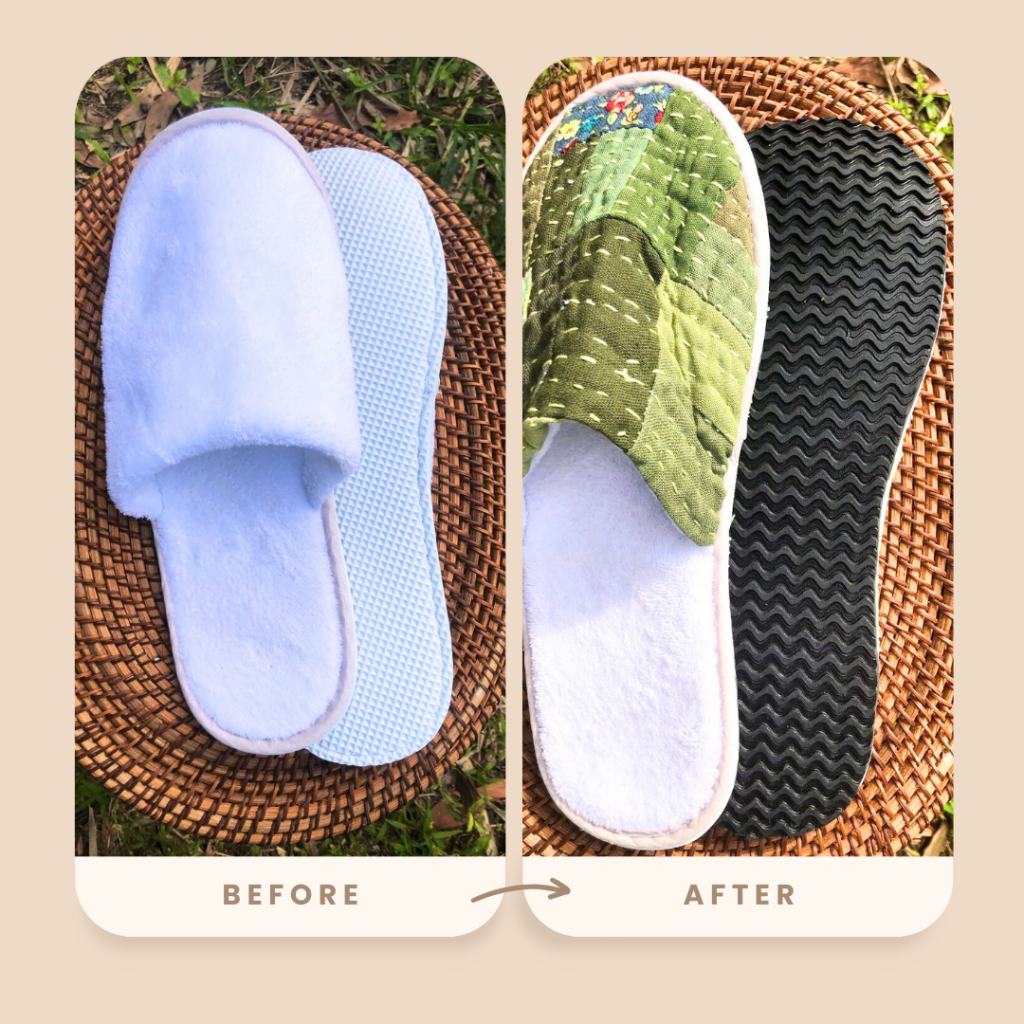
GYC currently starts the new initiative in refurbishing luxury hotels’ discarded slippers, providing additional incomes for elderly, women in villages around Hoi An – Da Nang area.
1.3. “CoffeeBriques” – Used coffee grounds turned into clean cooking fuel*
* Green Youth Collective is the only organisation in Central Vietnam who is implementing “CoffeeBriques” project in partnership with Diversey (trademark) the global company who initiated this. GYC also initiate our own recipe and techniques to make coffee briques easier to be used by rural communities.
- Purpose:
- Collect spent coffee grounds from cafés and transform them into eco-friendly briquettes.
- Reduce waste while creating employment opportunities.
- Beneficiaries:
- Low-income households needing safe cooking fuel.
- Local workers seeking sustainable livelihood models
1.4. “PlasticShreds” – Giving single-use plastics a new purpose (at the setting stage)
- Purpose:
- Collect and recycle single-use plastics from communities and tourism services.
- Turn them into raw materials for new, durable products.
- Beneficiaries:
- Local women, youth, and villagers—creating new income streams.
- Hospitality and tourism operators needing reliable plastic waste solutions.
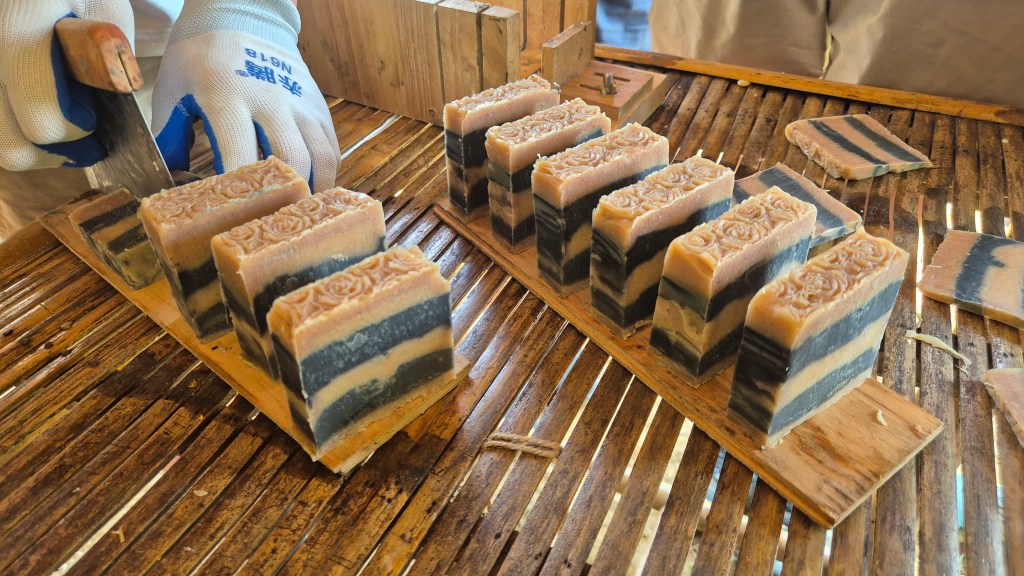
1.5. From Oil to Soaps – A second life for used cooking oil*
*Green Youth Collective was trained and handed over the technical process from SAPO Hoi An, to continue the environmental and social positive impacts of the project.
- Purpose:
- Collect used cooking oil from restaurants and convert it into soap.
- Reduce environmental pollution and provide biodegradable, affordable hygiene products.
- Beneficiaries:
- Low-income families and vulnerable communities.
- Restaurants seeking proper and responsible oil disposal.
- Status:
- Expanding by building a network of partner restaurants donating clean, post-use oil.
1.6. Hoi An Zero Waste Center (at the setting stage)
The second community-run center for zero waste & circular economy in solid waste (our Hoi An Eco Hub is the first!)
- Purpose:
- Build a decentralized waste sorting and resource recovery center.
- Reduce landfill waste and greenhouse gas emissions.
- Implement just transition by empowering waste workers and farmers as climate champions.
- Beneficiaries:
- Waste workers, women, farmers, and young people.
- Tourism operators and local government seeking sustainable waste-management pathways.
THEME II: CLOSED-LOOP FARMING & COMMUNITY LAND RESTORATION
Agriculture that heals the land and rebuilds community resilience
2.1. Hoi An Tourism’s Organics Management System
- Purpose:
- Promote food-waste prevention in tourism-related F&B businesses.
- Build a closed-loop organic waste system: reduce – reuse – recycle – return to soil.
- Beneficiaries:
- Waste workers, farmers, women, youth.
- Tourism operators and municipal authorities needing circular organic waste management.
- Built on Green Youth Collective’s pioneering community composting work in Hội An.
Read more about this project here.
2.2. Resilient & Useful Native Plant Nurseries
- Purpose:
- Conserve climate-resilient native plant species.
- Develop community-run nurseries across Hội An and Gò Nổi.
- Train local people in agro-ecology and soil recovery.
- Beneficiaries:
- Farmers, women, youth, and community groups.
Read more about this project here
2.3. Reed Plantation for Soil Stabilization & Livelihoods
- Purpose:
- Use reed plants to stabilize riverbanks, prevent erosion, and restore vulnerable soils.
- Develop reed-based products such as eco-friendly reed straws for the hospitality industry.
- Beneficiaries:
- Farmers and local families seeking regenerative livelihood options.
Read more about this project here.
2.4. Community Land Restoration
- Purpose:
- Restore community-owned lands degraded by chemicals, floods, and development pressure.
- Increase biodiversity and long-term soil resilience.
- Beneficiaries:
- Farmers and ecosystems in climate-vulnerable areas in & around Hoi An.
Read more about this project here.
THEME III: COMMUNITY SCHOOL FOR REGENERATION
The first initiative of its kind in Vietnam: a community-based learning center embedded within an operational, real-world model of regenerative sustainability, where local people and visitors learn by doing.
3.1. Community School for Regeneration – Go Noi
- Purpose:
- Establish a learning hub for sustainable skills, community-based tourism, and regenerative village development.
- Serve as both a training center for locals and a hands-on learning destination for visitors.
- Beneficiaries:
- Women, youth, farmers, and local families in Go Noi.
- Disadvantaged youth from different areas in Viet Nam.
Read more about this project here.
WHAT IS SO UNIQUE ABOUT GREEN YOUTH COLLECTIVE & REED’S WORK?
This is not a collection of isolated projects.
It is a regenerative system where each part strengthens the others:
1. Waste → Resource
Soap, linens, coffee grounds, used oil, plastics, organic waste… all re-enter circular loops.
2. Margins → Champions
Waste workers, farmers, women, and youth become co-creators of climate solutions, not passive beneficiaries.
3. Land → Thriving Ecosystems
Nurseries, reed fields, and restored farmlands build long-term resilience for climate-challenged areas.
4. Empowering the hospitality sector’s stakeholders to lead the change
Across all projects, waste materials from the hospitality sector become the seeds of new circular value chains—turned into new products, new livelihoods, and new forms of participation. By engaging and enabling hotels, restaurants, and tourism operators with inspiration, technical supports and more sustainable operations, we create a shared chain of understanding and action that invites travellers from all walks of life to contribute meaningfully by joining these initiatives and supporting the sustainability commitments of hospitality partners.
Green Youth Collective and REED as a locally operated, community-led pioneer in Regenerative Tourism in Viet Nam
GYC is among the first locally rooted organizations in Viet Nam to:
- Apply regenerative thinking (not just sustainability) to tourism destinations
- Integrate waste, land restoration, livelihoods, and education into one system
- Work upstream and at source, embedded in daily community life
- Demonstrate regeneration through real, operating, long-term projects
Our work shows that regenerative tourism is not a luxury concept, but a practical, community-led pathway—especially relevant for destinations under pressure from mass tourism and climate change.
 Vietnam's Community Schools for Regeneration