Pioneering community-based zero-waste solutions for the tourism, hospitality, and F&B sectors
Green Youth Collective (GYC) is a local pioneer in working directly with tourism, hospitality, and F&B businesses—restaurants, hotels, cafés, and service providers—to implement zero-waste solutions for organic waste at business and destination level.
Rather than focusing on end-of-pipe waste treatment, GYC prioritizes a preventive and source-based approach:
- reducing organic waste generation at the operational level,
- sorting at source,
- treating organic waste on-site or through community-based facilities close to where it is generated.
This approach delivers multiple, interconnected benefits:
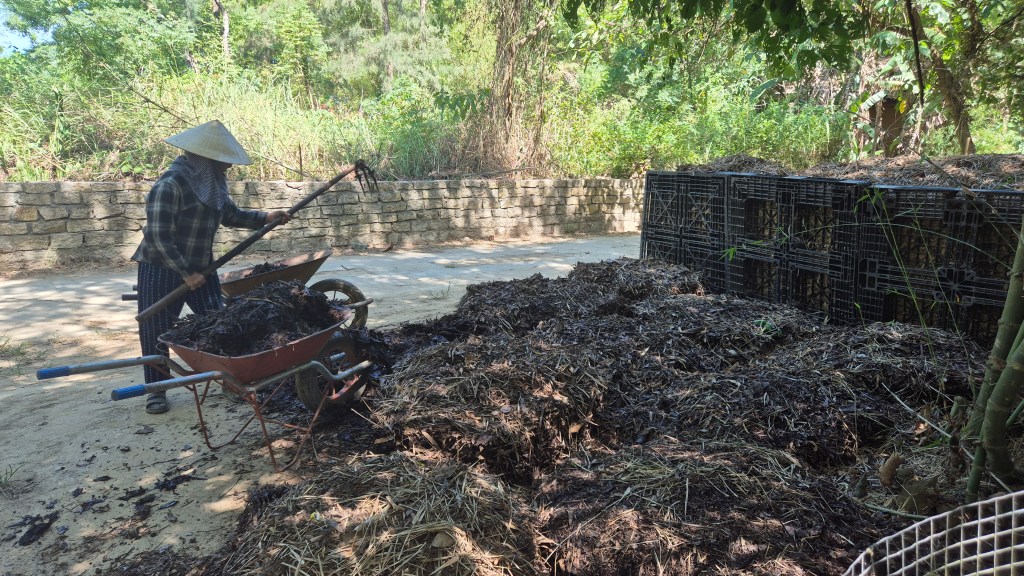
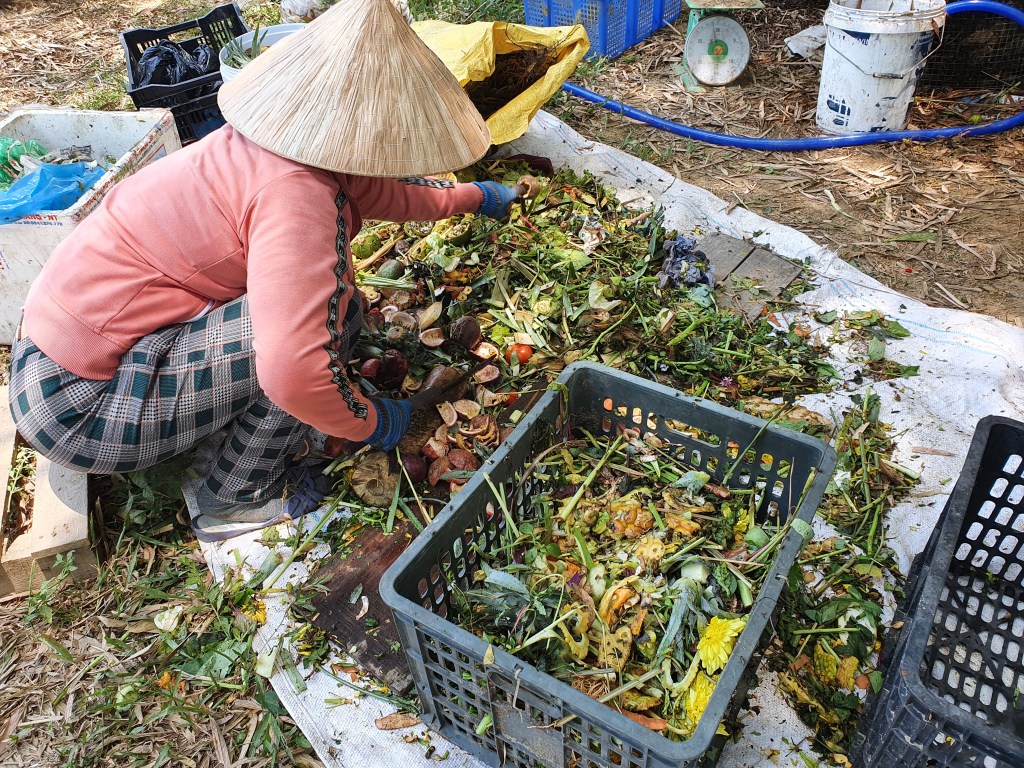
- significantly reducing the volume of organic waste sent to landfills (up until 2025, everyday our team of 4 workers processes on average 400kg of organic waste into feed and compost)
- lowering environmental pollution and greenhouse gas emissions, especially methane from landfills,
- and creating decent local jobs in waste collection, processing, and system operation.
Crucially, these systems are designed as community-based and community-owned models, where local people are not just participants but active operators and beneficiaries. By embedding organic waste management into everyday tourism operations, GYC helps businesses move from sustainability commitments to real, measurable change on the ground.
Turning tourism organic waste into a resource for sustainable agriculture and community agro-ecosystem restoration
Green Youth Collective approaches fundamental questions for system design, beyond the quest for specific techniques on composting:
- How can we utilise organic waste at its highest value?
- What can compost become in the hands of communities and farmers?
- How can we sustain this system with limited, self-sufficient resources and growing challenges?
GYC does not treat organic waste as a problem to be disposed of, but as a valuable biological resource that can be returned to the land.
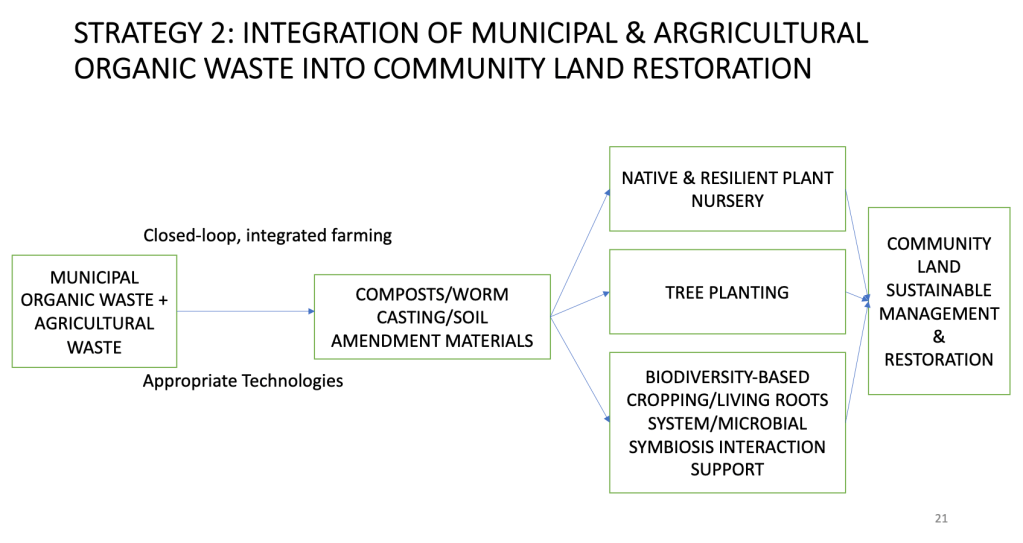
Organic waste generated by tourism businesses and destinations is transformed into:
- compost and soil amendments,
- natural nutrients for farming,
- inputs for regenerating degraded land.
These materials are reintegrated into local agricultural ecosystems that have been increasingly impacted by:
- climate change, including extreme heat, flooding, and soil degradation,
- rapid urbanisation and tourism development, which have weakened soil health and biodiversity.
By reconnecting tourism waste streams with agricultural landscapes, GYC contributes to:
- restoring soil fertility and structure,
- reducing dependence on chemical fertilisers,
- strengthening local food systems and climate resilience.
This approach positions organic waste management as a core climate and ecological solution, rather than a standalone environmental intervention.
Closed-loop farming as a reflection of nature-inspired, ecosystem-based solutions
The closed-loop farming models promoted by GYC reflect the organisation’s core philosophy and long-term vision.
Inspired by how natural ecosystems function—where nothing is wasted and everything is transformed—these models embody:
- Nature-inspired solutions, learning from ecological cycles rather than imposing industrial fixes,
- Climate adaptation, through low-cost, flexible, locally appropriate systems,
- Sustainable livelihoods, especially for local farmers, waste workers, and community members,
- An ecosystem-based approach, recognising the deep interconnection between tourism, agriculture, environment, and human wellbeing.
In destinations facing increasing environmental pressure from tourism and urban growth, GYC’s closed-loop approach demonstrates a practical pathway toward regenerative development—one where organic waste becomes a foundation for ecosystem restoration, community resilience, and long-term sustainability.
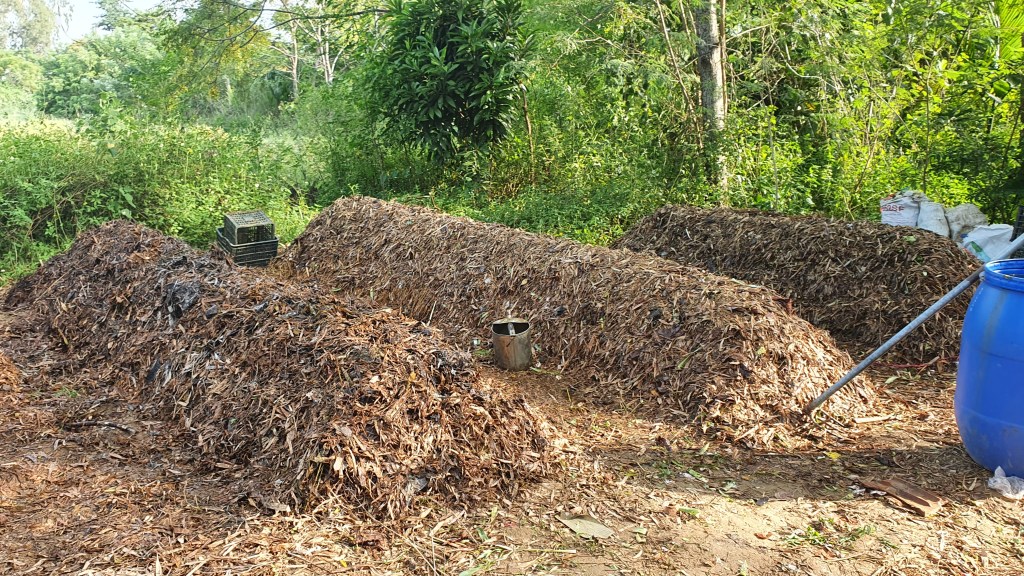
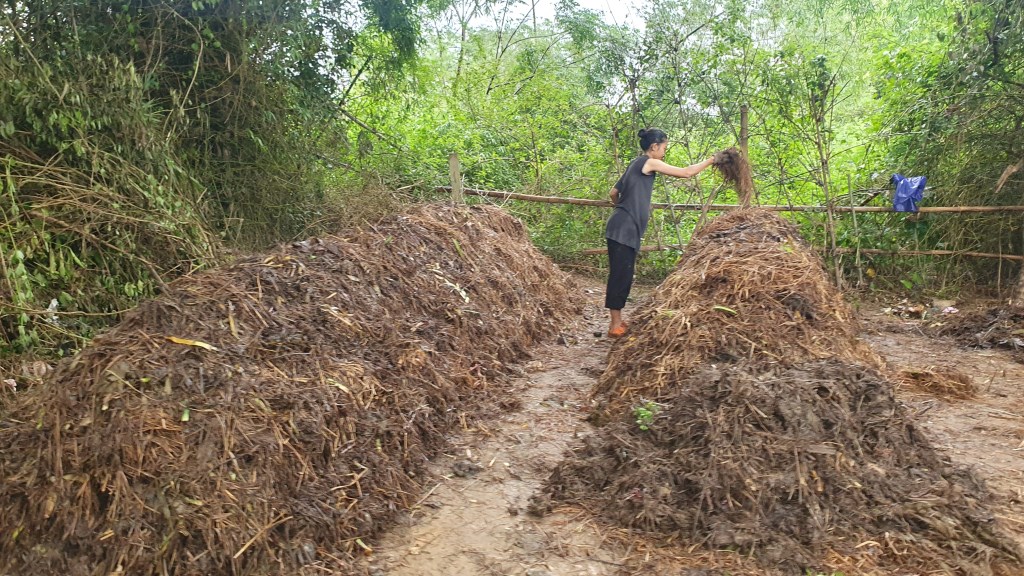
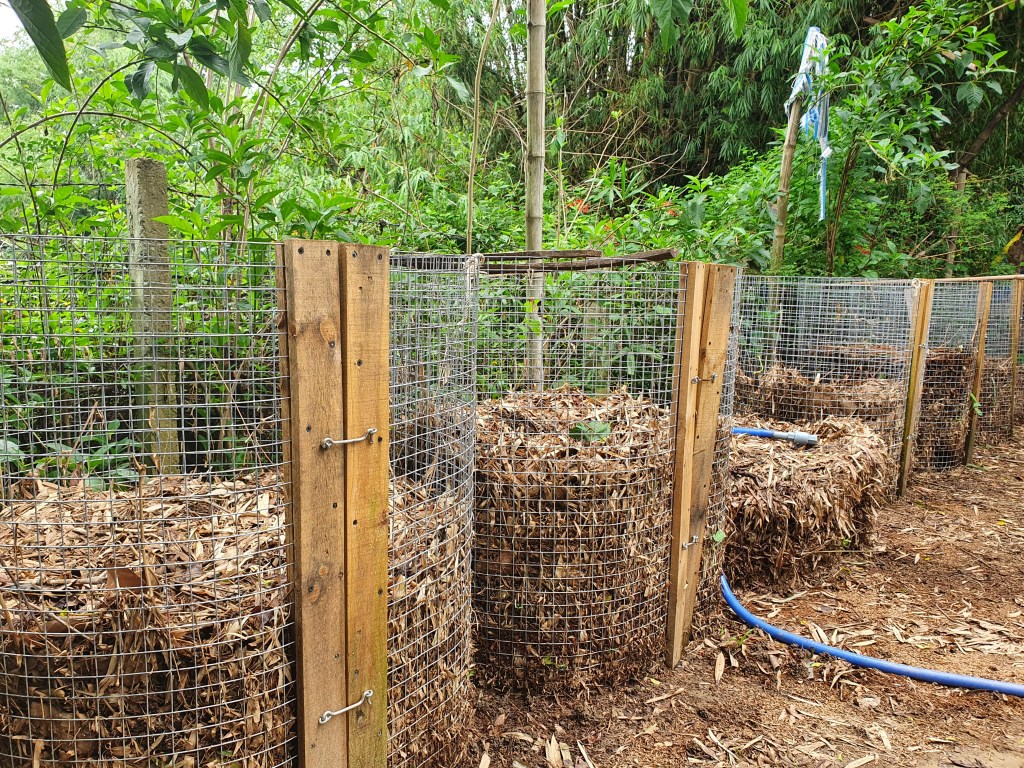
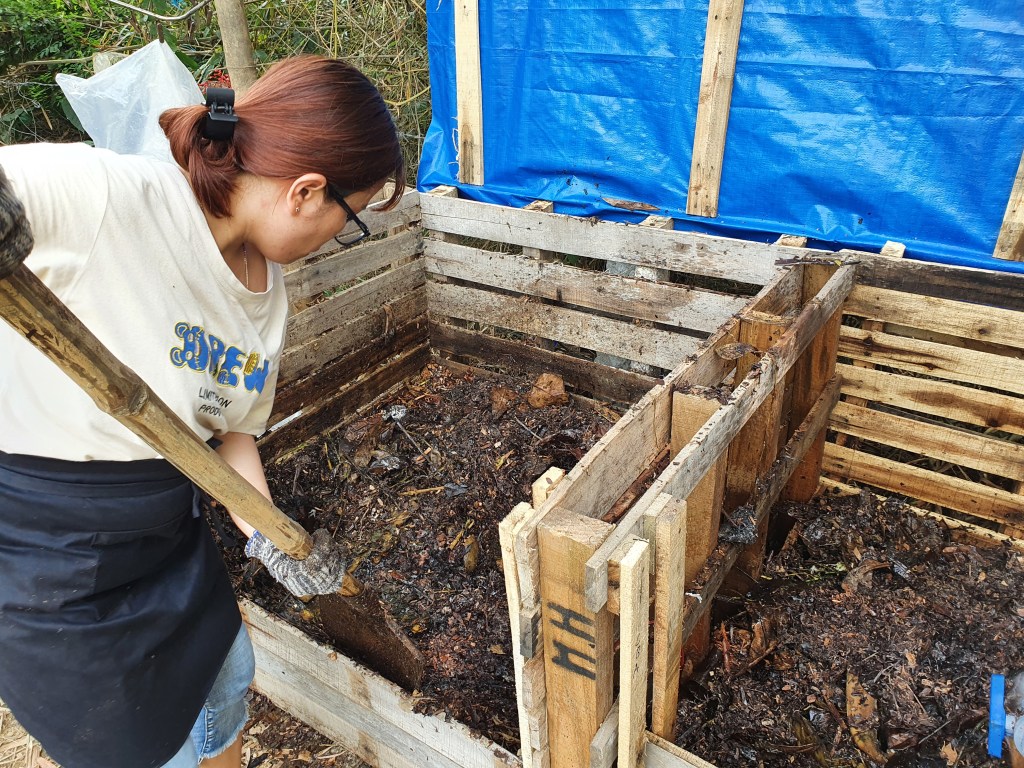
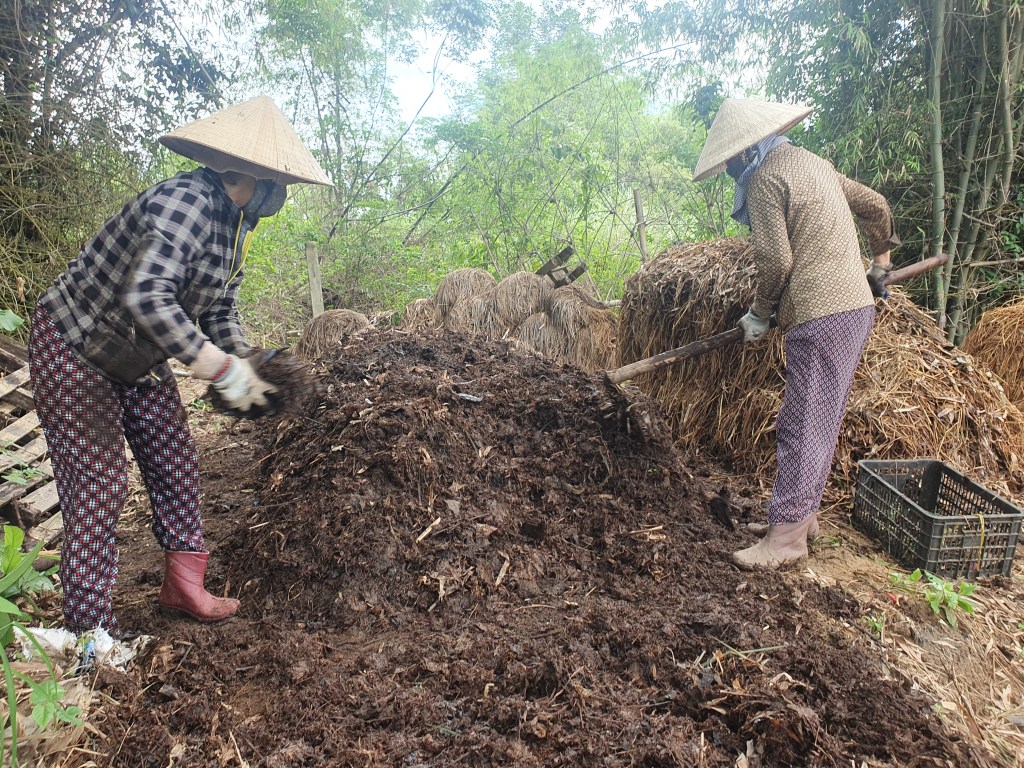

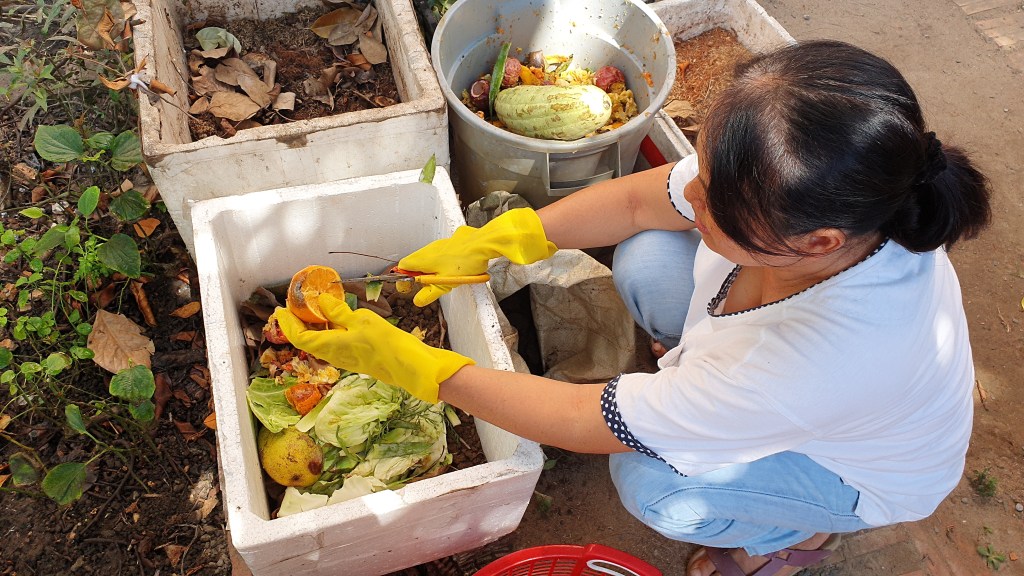
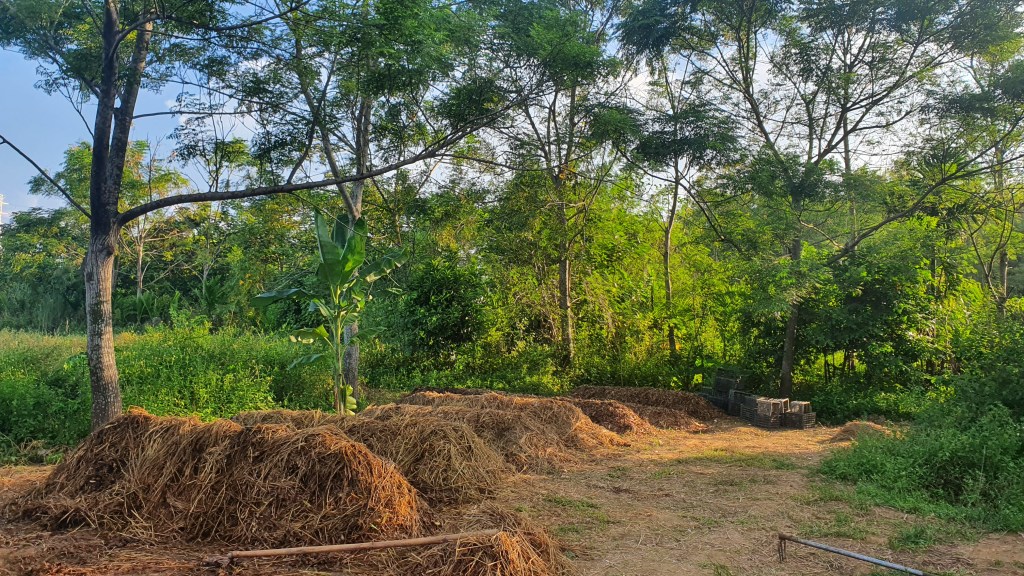
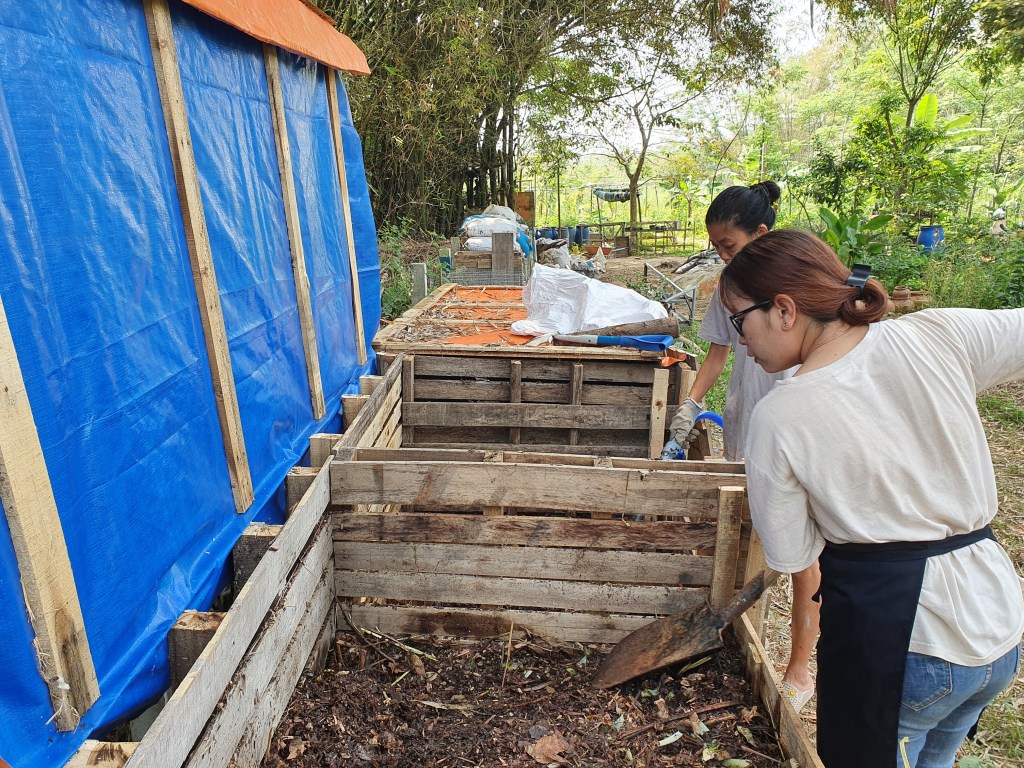
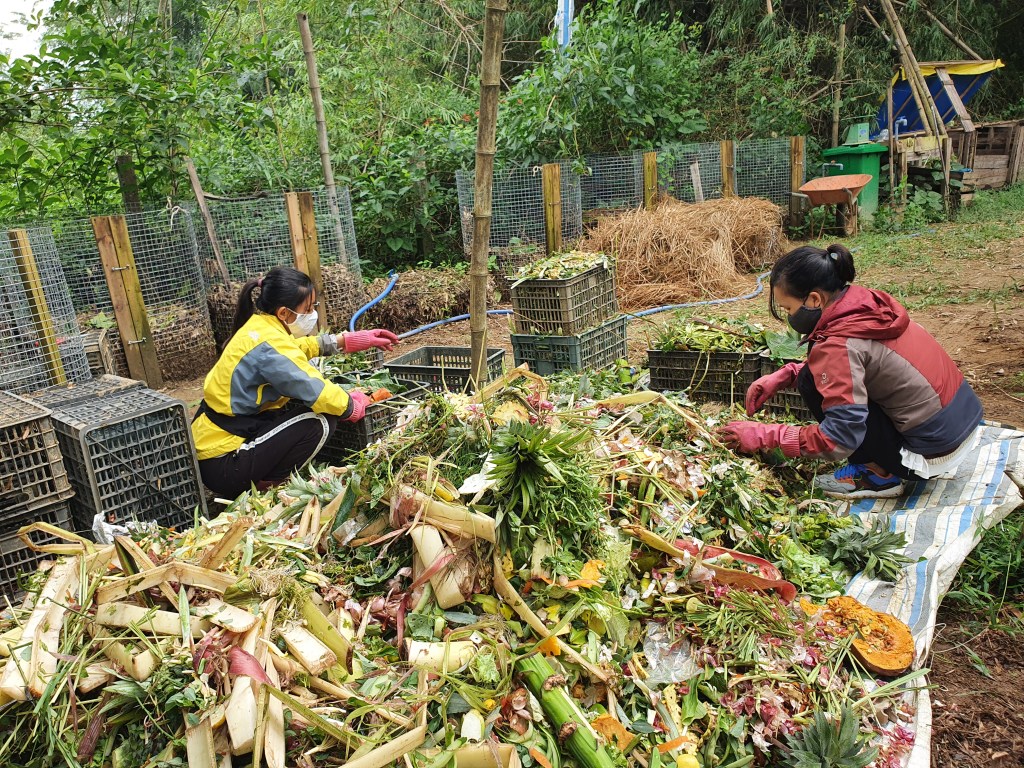
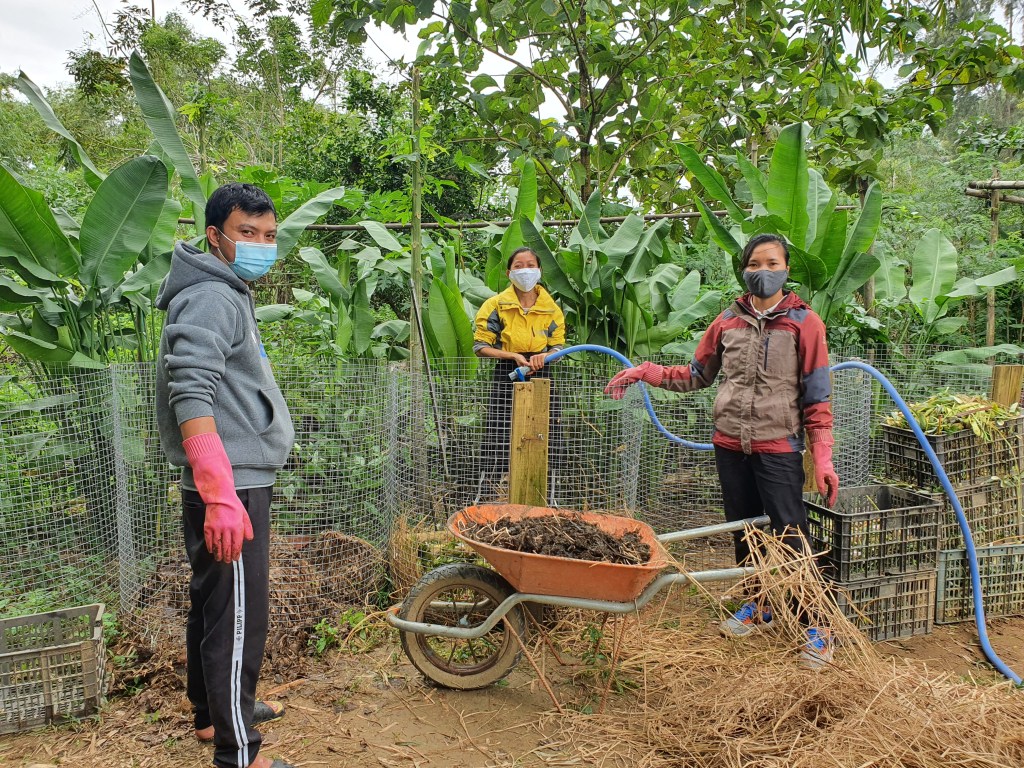
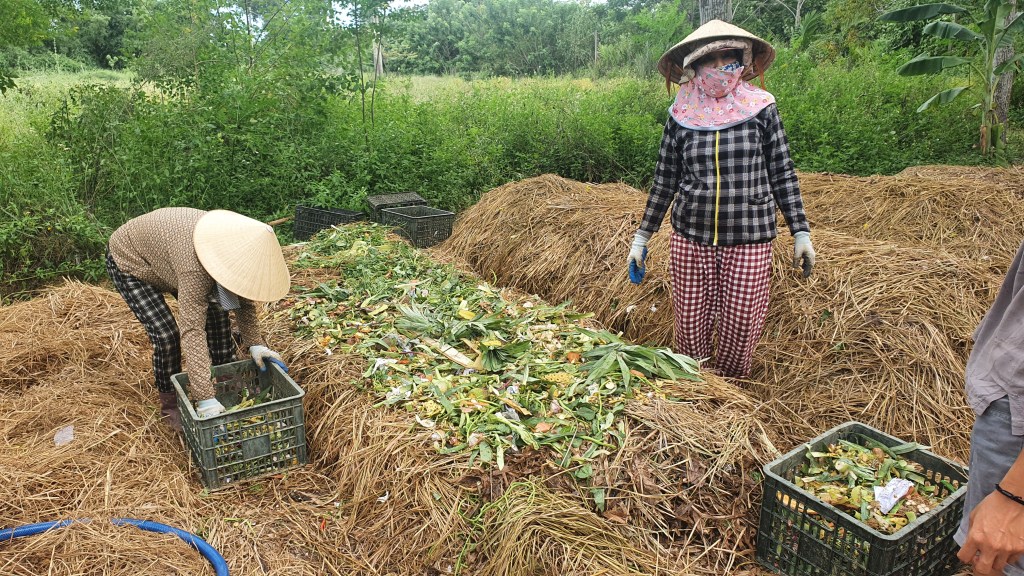
Aerobic composting in various models: heaps, wire mesh rings (great to prevent chickens from tearing off), three-compartment pallet, or backyard bins in a limited space of urbanised areas.
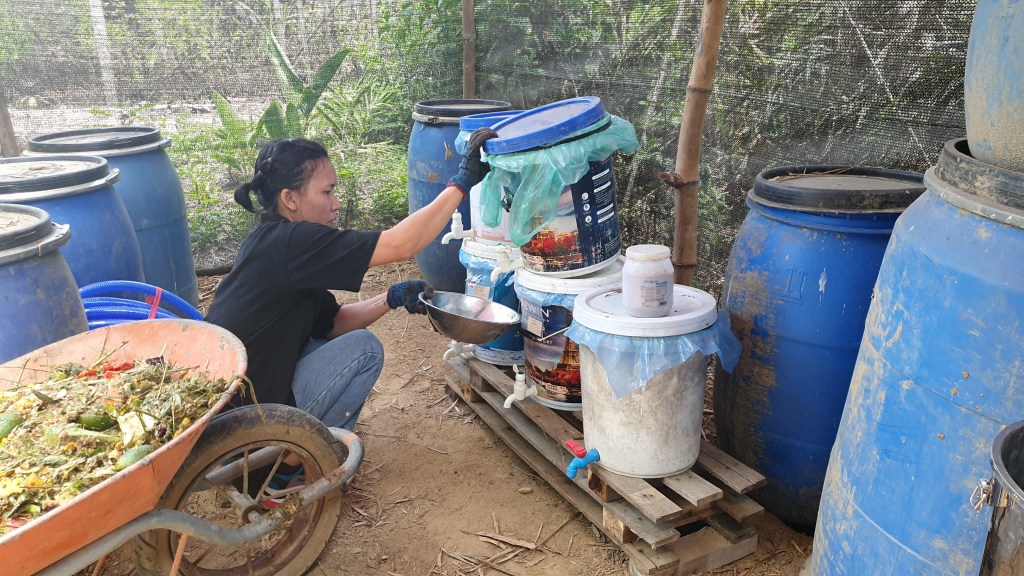
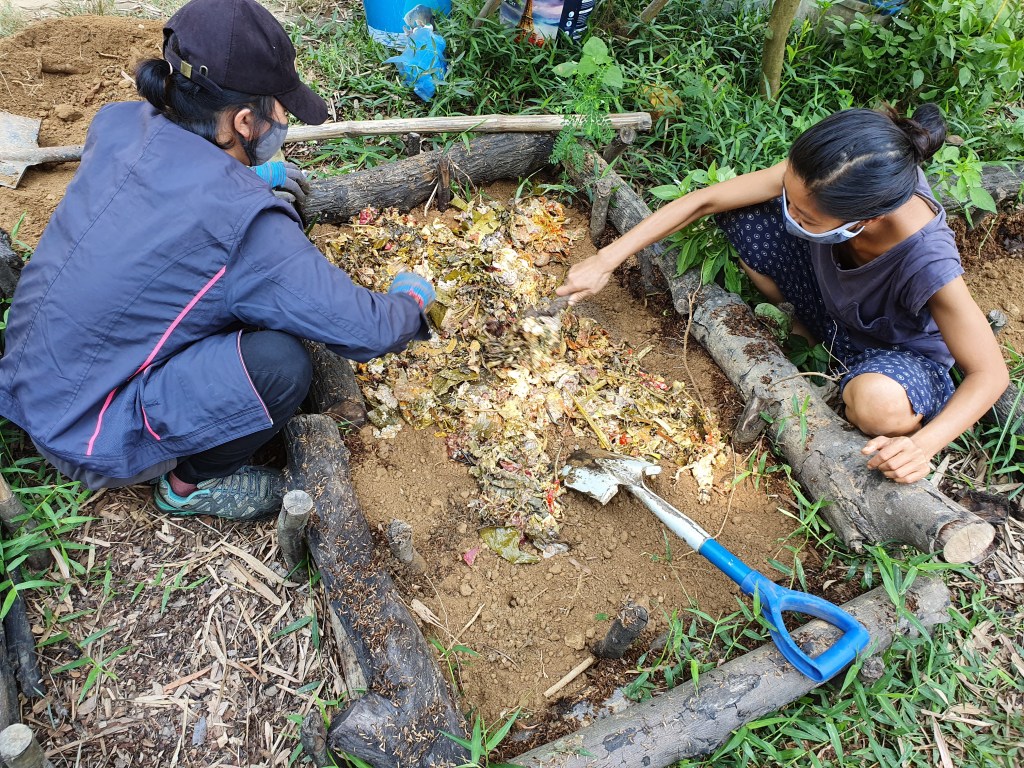
Fermentation process of waste materials and soil factory for organic gardening
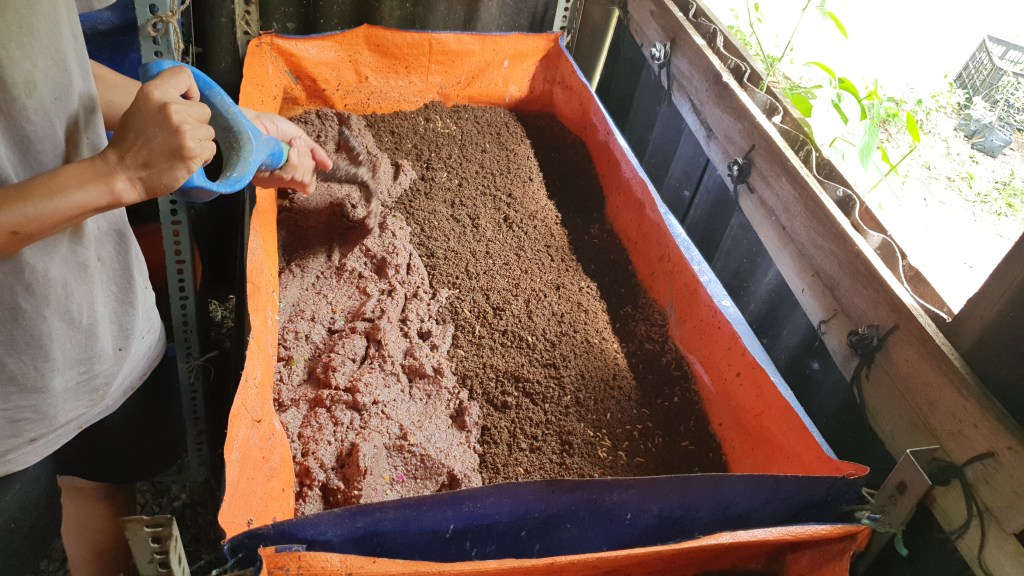
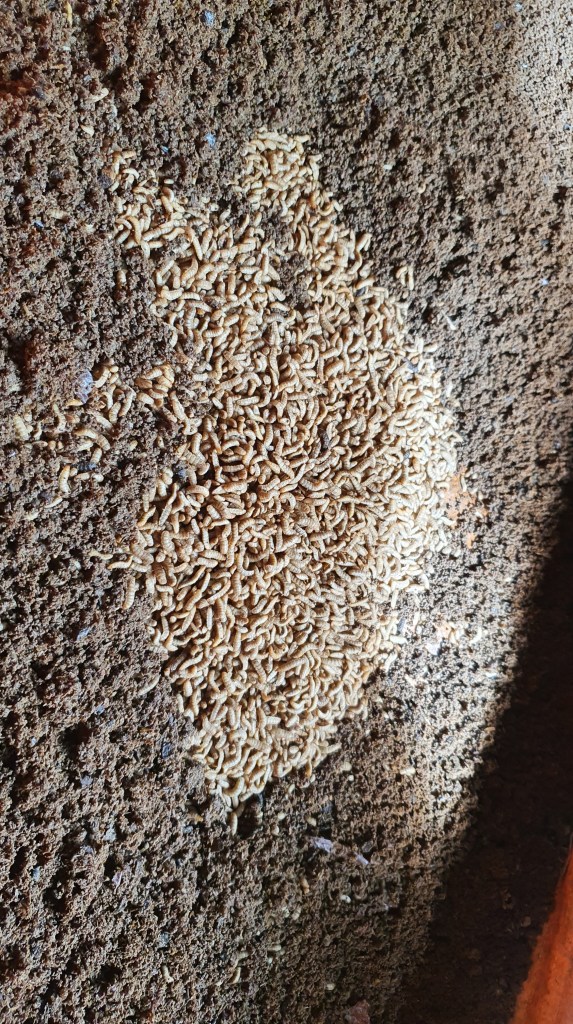
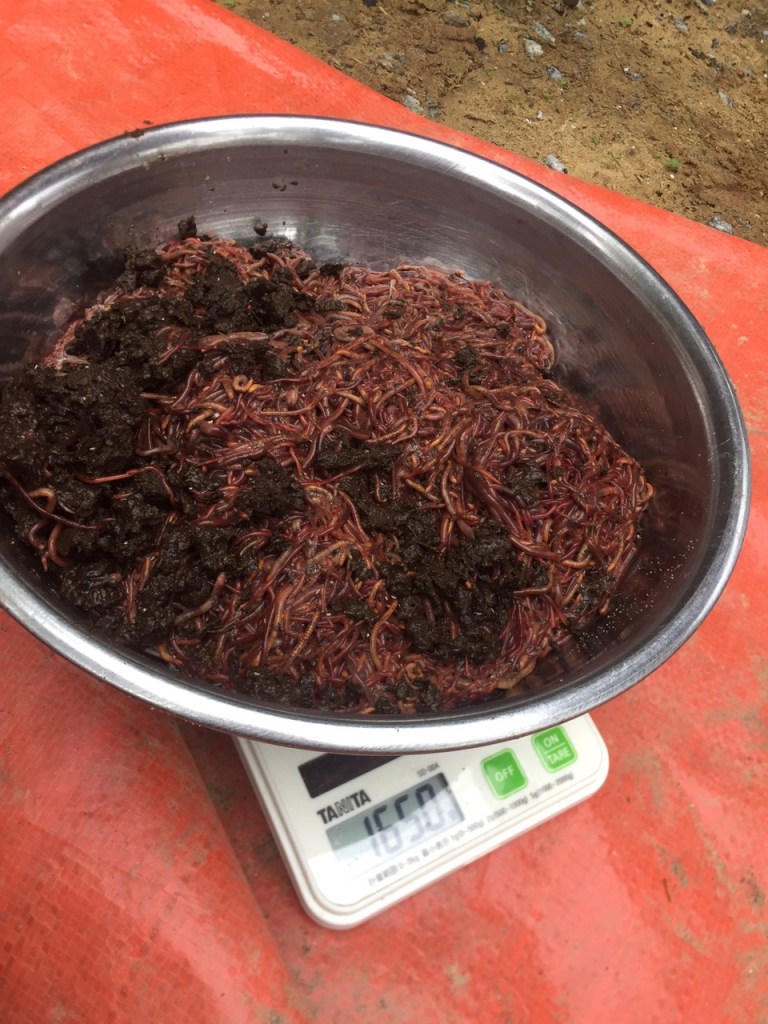
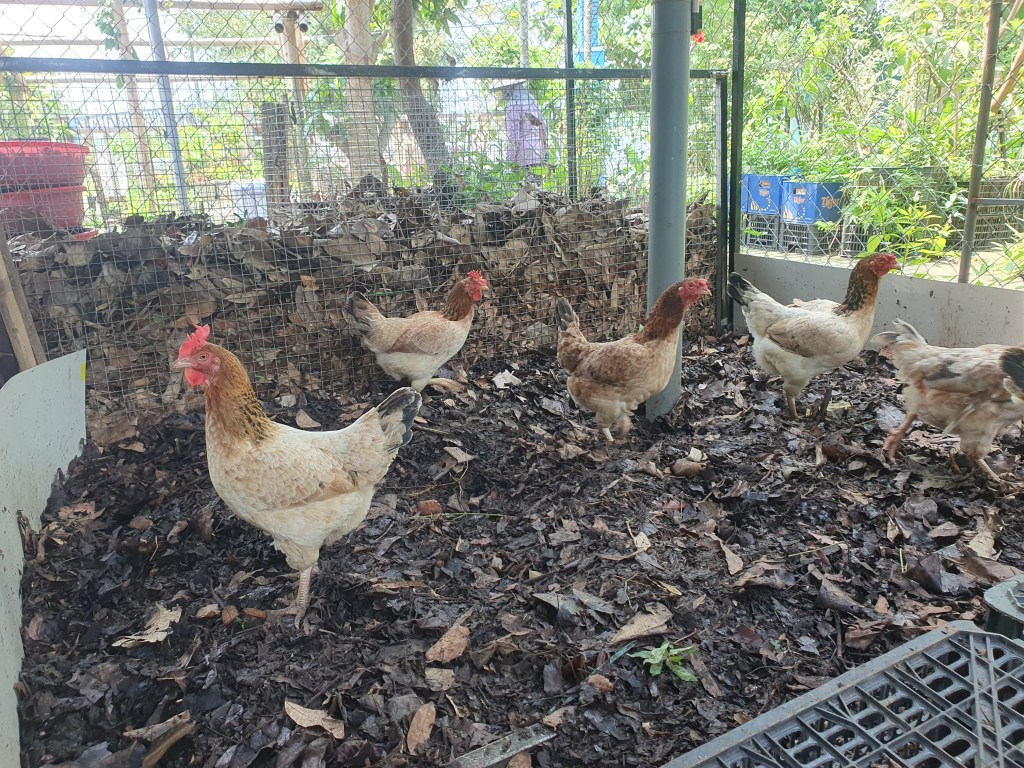
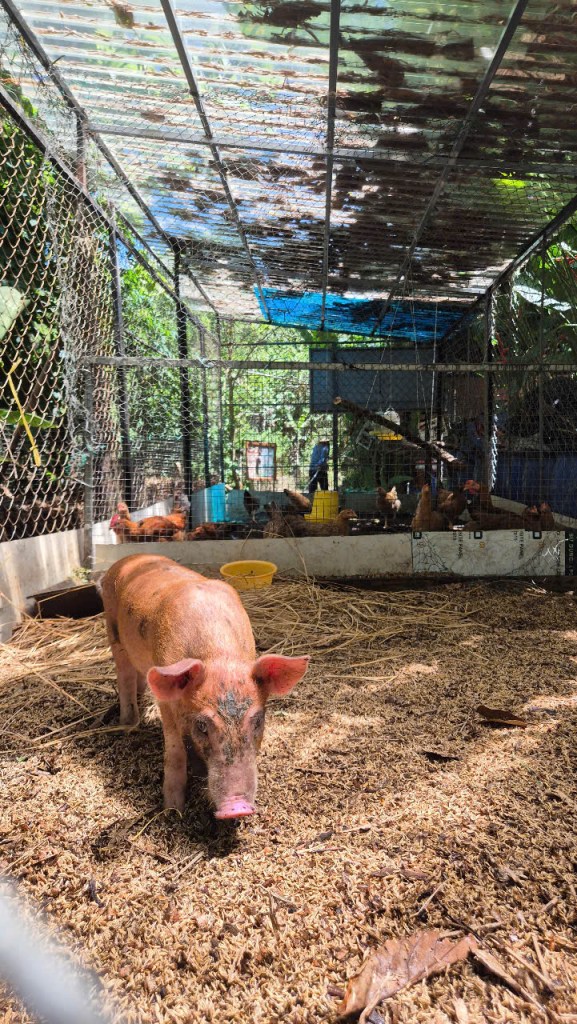
Incorporating chickens, pigs, cows, black solider flies larvae, worms into the loop is the nature-based solution to increase biodiversity, resilience of the system and adding values to the final products.
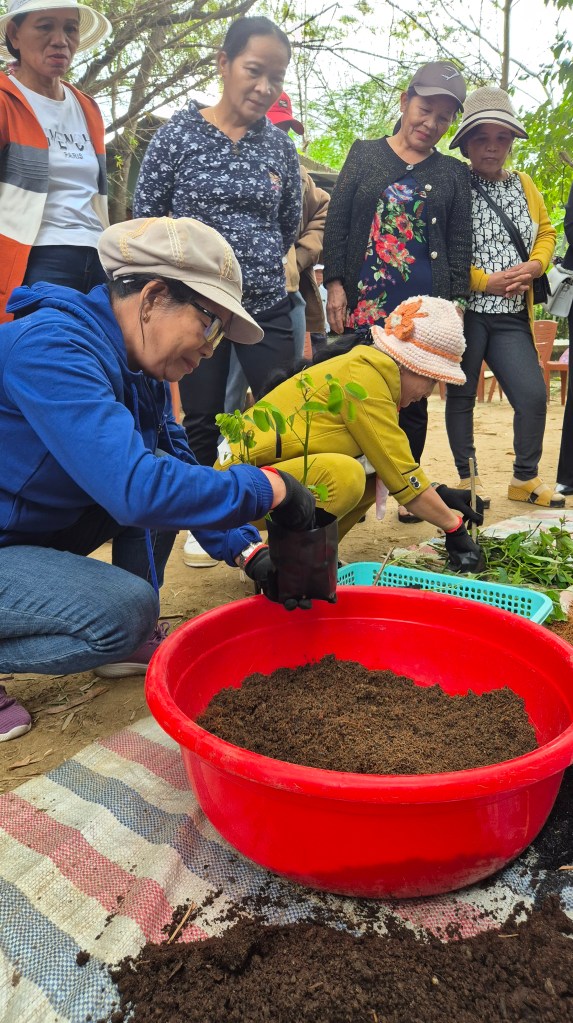
Besides organic farming, compost are used in Resilient and Useful Plant Nurseries program, where we encourage farmers and local communities to plant more trees in the farm and community land for restoration and biodiversity
Organics Management as a Learning Center and Community Empowerment
There’s something poetic about a compost pile. It’s quiet. It works slowly. It transforms rot into richness. In many ways, composting mirrors personal growth and social transformation: invisible at first, but powerful in outcome.
To us, composting is not just waste management — it’s education, empowerment, and evolution. It teaches patience, humility, and the beauty of cycles. It reminds us that what we discard can return to nourish us — if we care enough to close the loop.
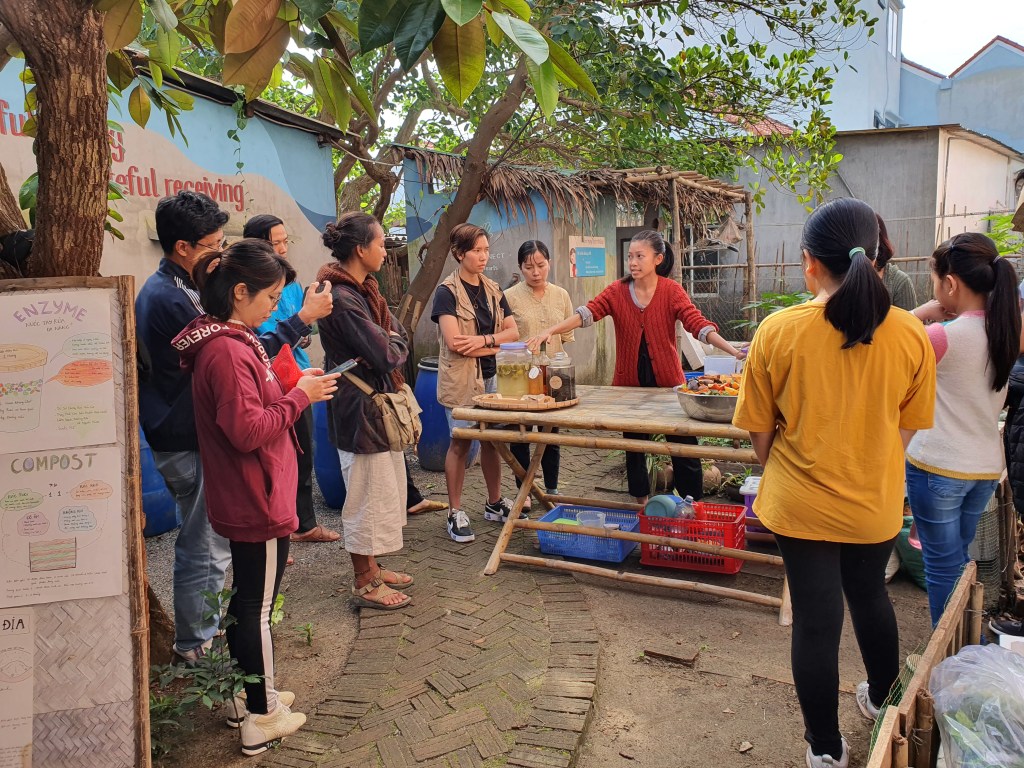
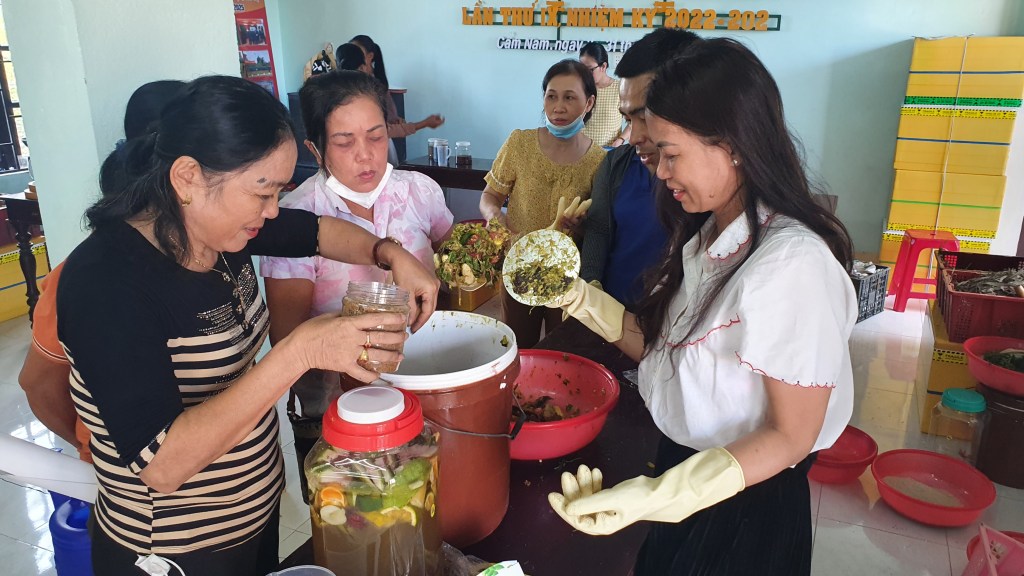
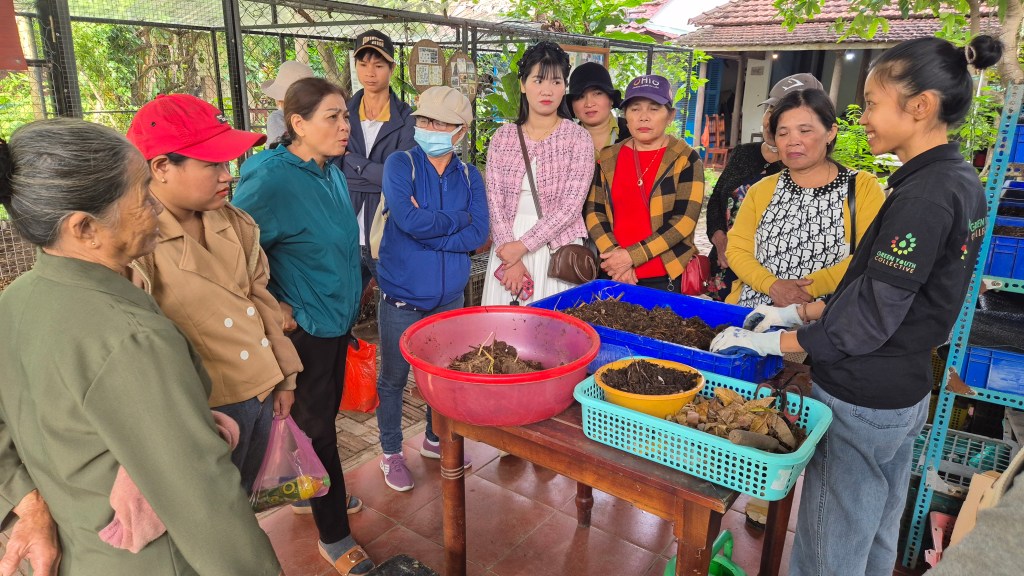
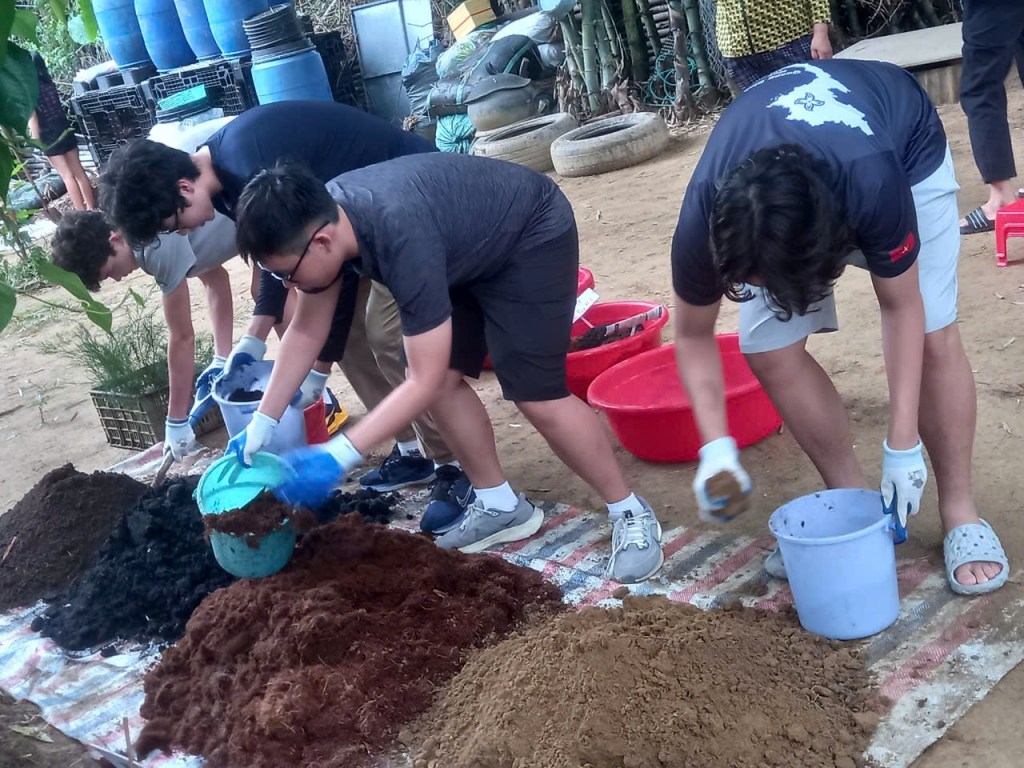
Throughout our operation at local Community Compost Facilities, we have been engaging and building capacity for hundreds of families, women, youth, staff at hospitality businesses in Hoi An city and Quang Nam province in organics management at source.
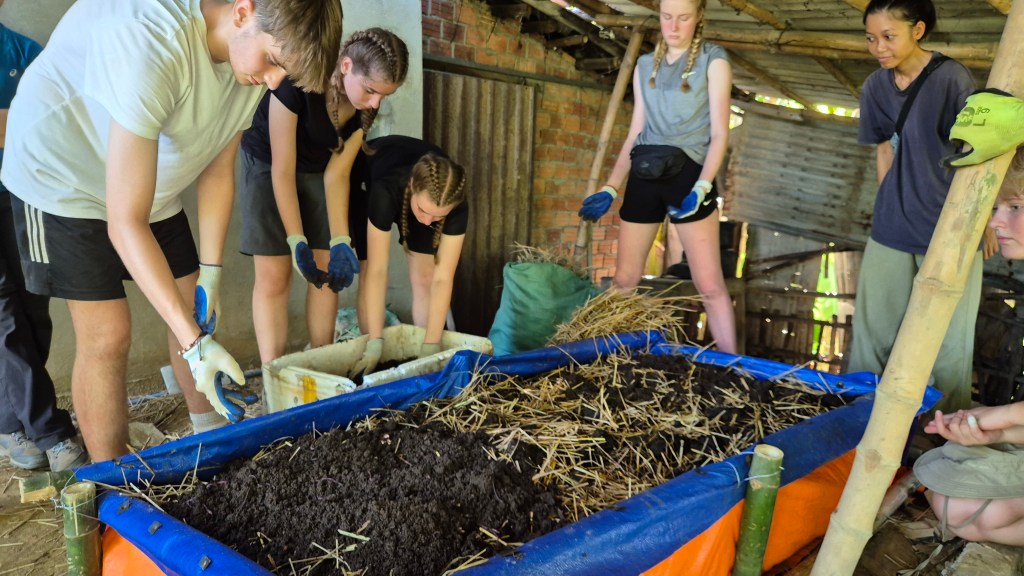
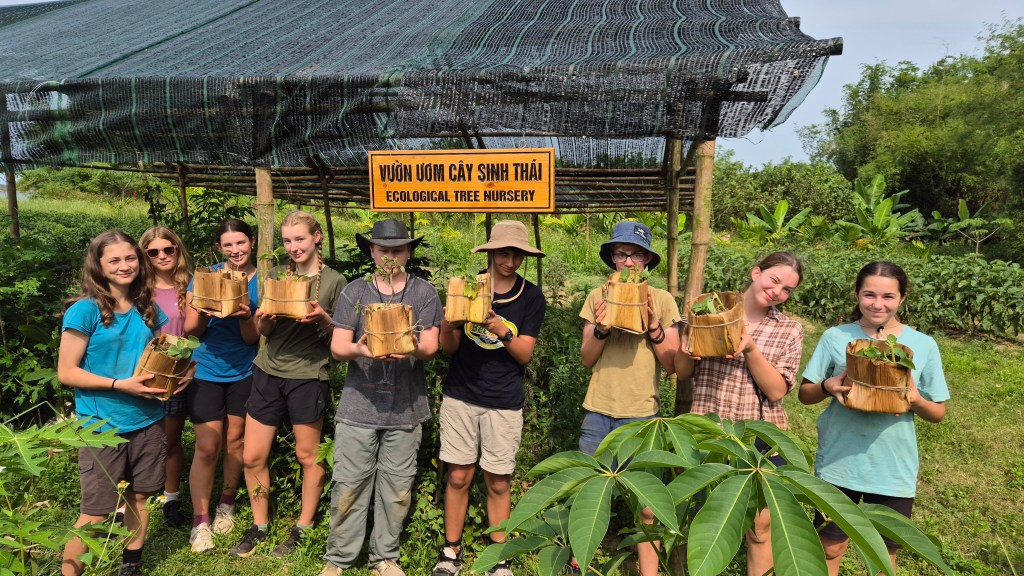
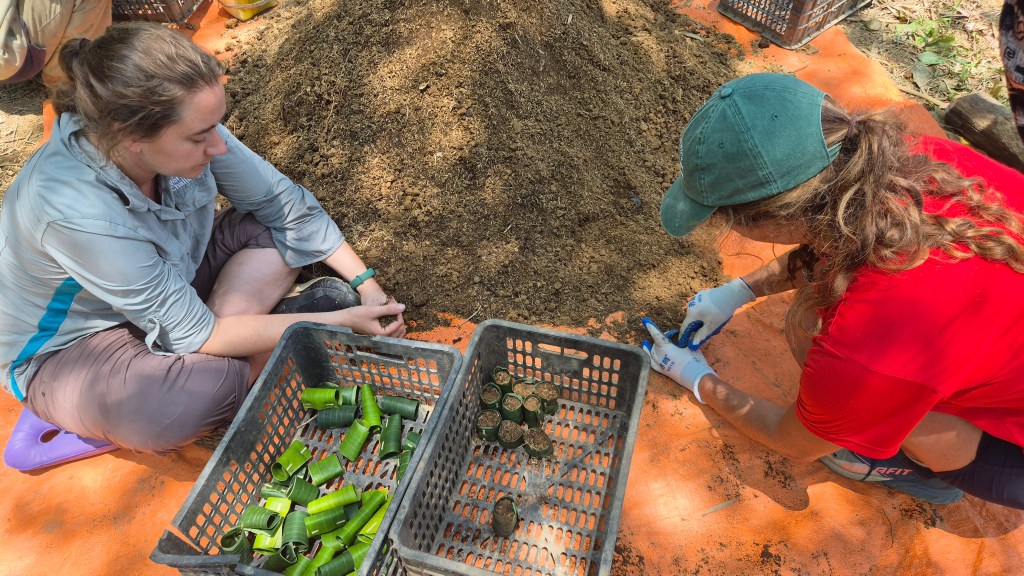
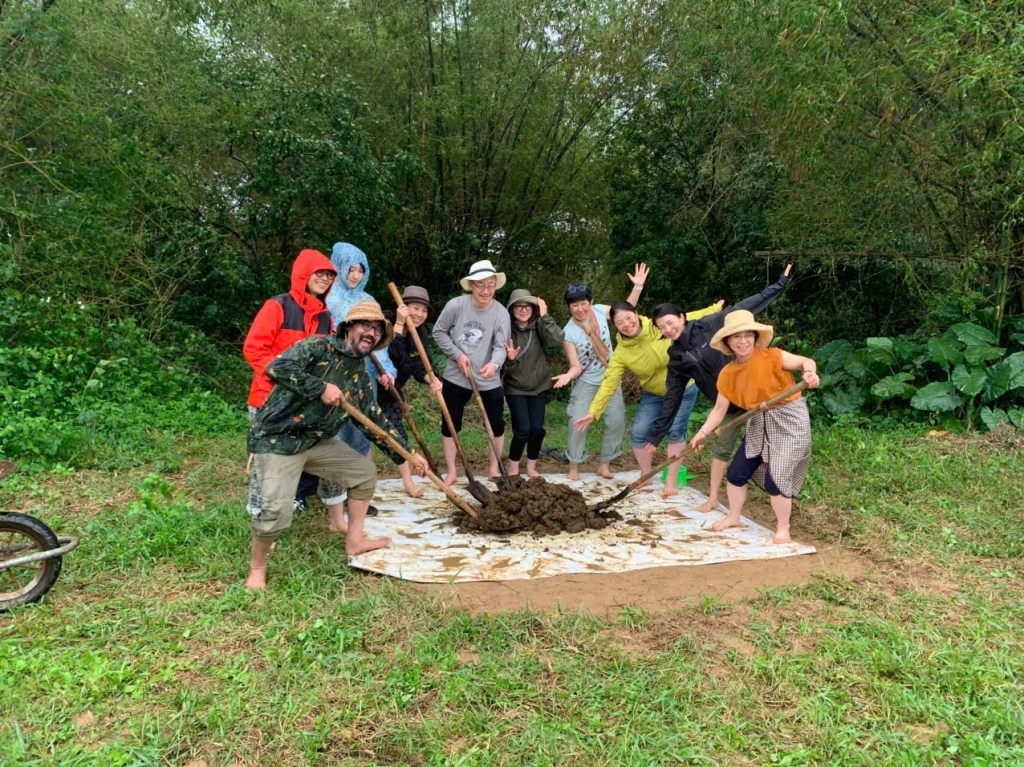
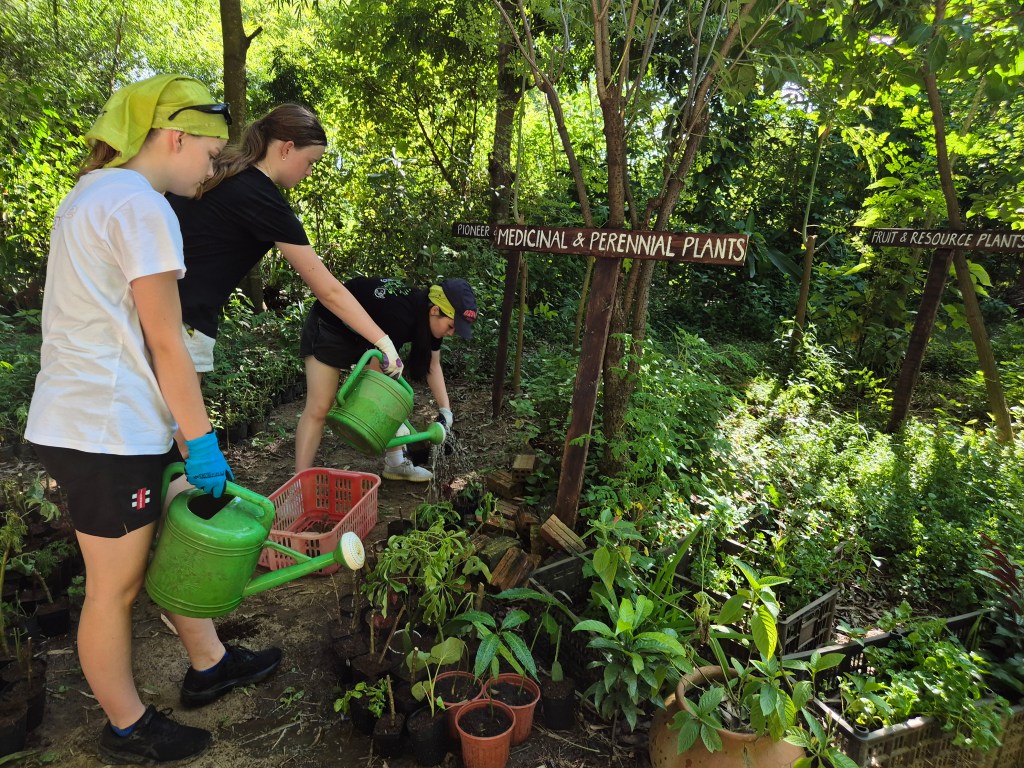

Beyond enabling local communities to make change, our learning center hosts visits and hands-on experiences with thousands of people from all over the world who care for how to make impacts at homes, businesses and communities where they belong.
 Vietnam's Community Schools for Regeneration