Redesigning tourism operations to reduce waste, cut emissions, and create shared value
At Green Youth Collective (GYC) and REED, zero waste social business models are not conceived as isolated recycling initiatives or product-based solutions. They are designed as transition pathways—helping tourism businesses and destinations move step by step from linear, disposable systems toward circular and regenerative ones.
Our work starts from a simple but often overlooked insight:
most waste in tourism is not accidental—it is designed into daily operations.
Zero waste social business models therefore focus on redesigning how tourism operates, while ensuring that environmental benefits go hand in hand with social inclusion and local livelihoods.
Cultivating opportunities from Waste Streams and turn into Circular Systems
Tourism destinations generate diverse waste streams: food waste, textiles, cooking oil, coffee grounds, disposable amenities, and packaging. When managed through conventional systems, these materials become environmental burdens, public and private sector’s costs.
GYC and REED approach these waste streams as mismanaged resources, and develop social business models that:
- Reduce waste at source and close to source
- Recover value close to where waste is generated
- Cut greenhouse gas emissions
- Create locally rooted green jobs
These models are grounded in community practice and developed through long-term partnerships with tourism businesses.
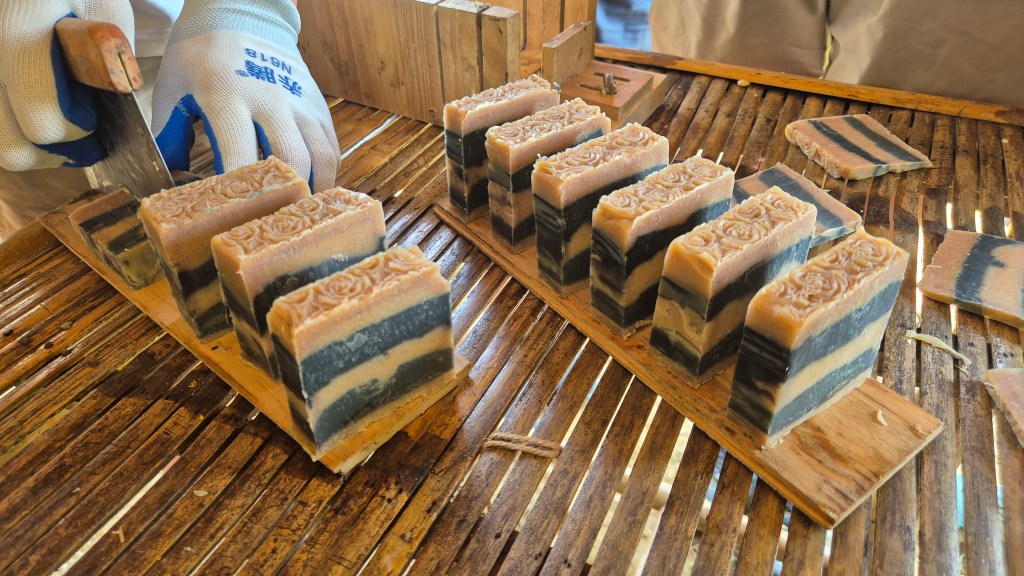
Multi-purposed soaps made by repurposing used cooking oil from restaurants
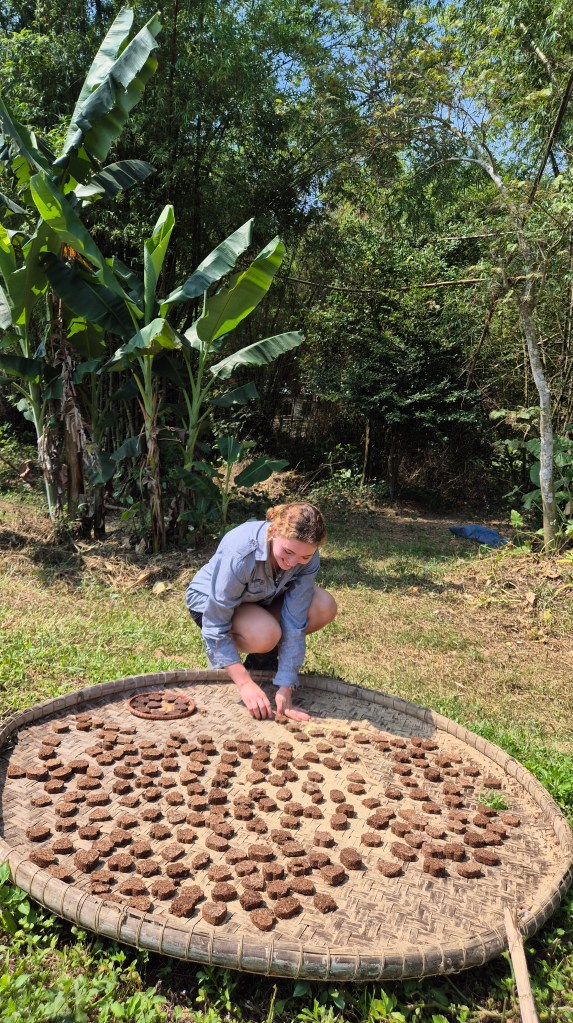
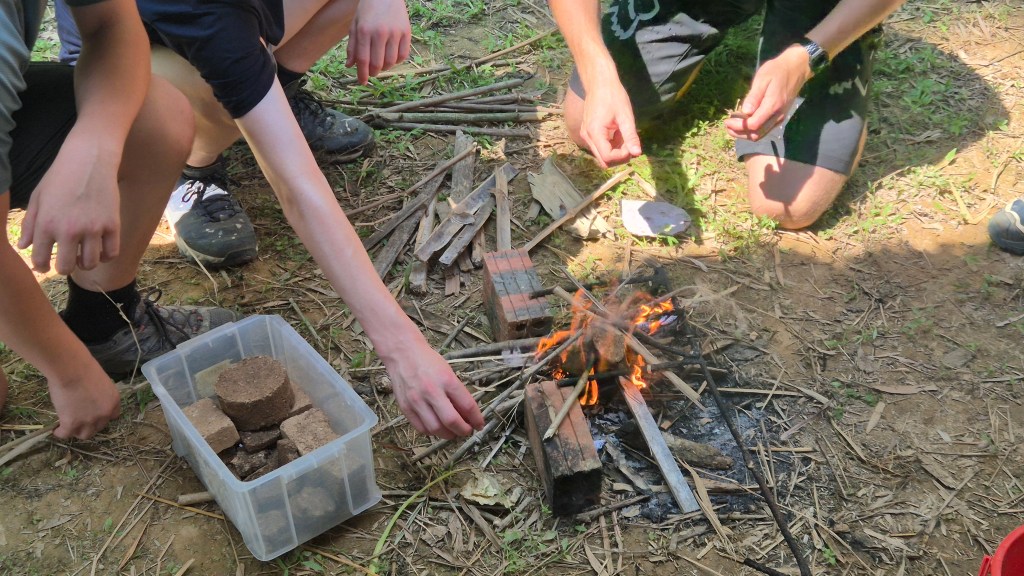
Charcoal as alternative fuel source, made by repurposing spent coffee grounds
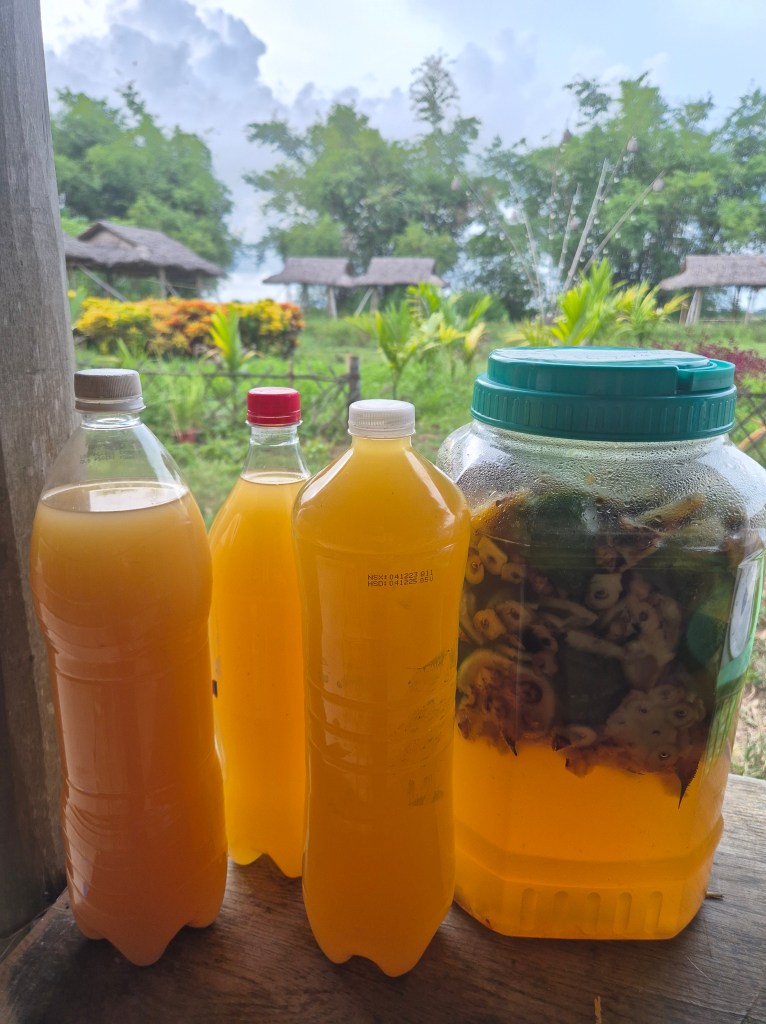
Multi-purpose cleaning product for home and garden care, made from discarded fruit peels from bars, coffee shops, restaurants
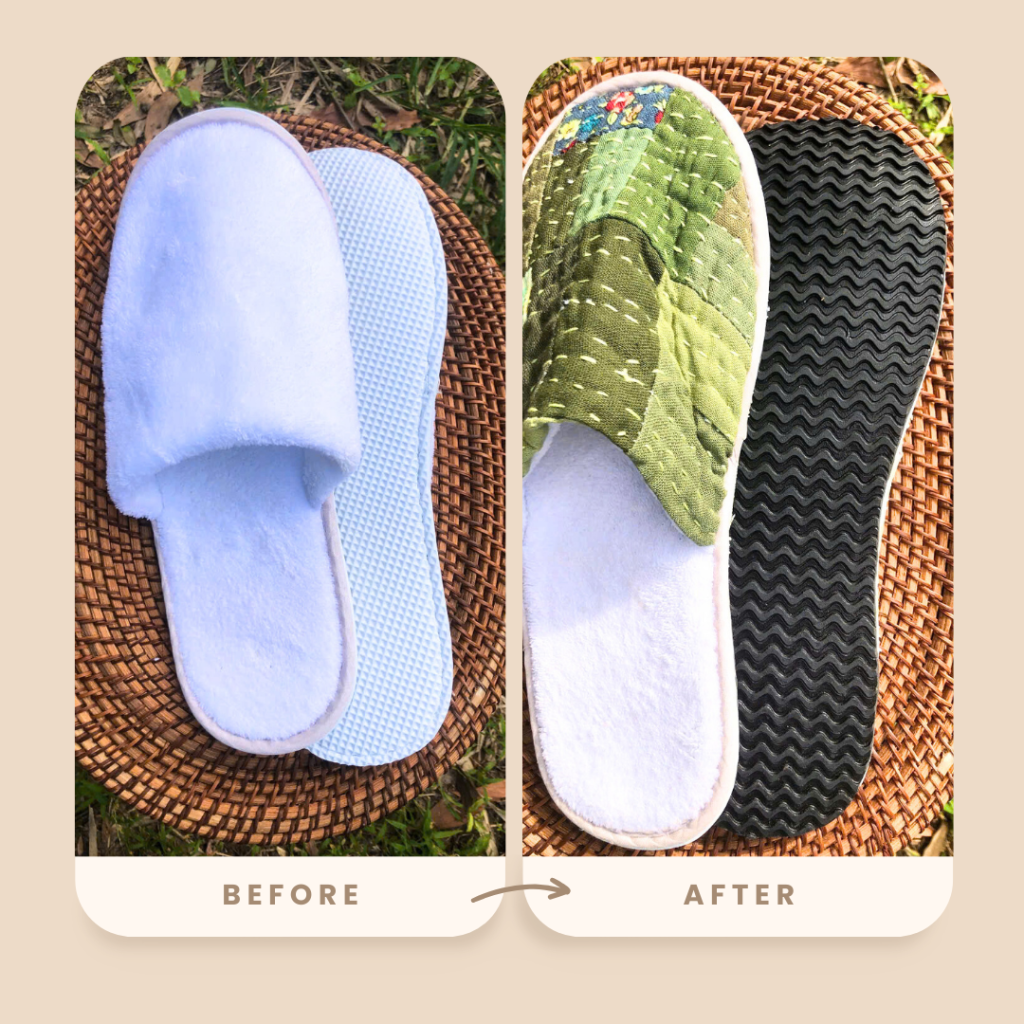
Refurbishing slippers discarded from luxury hotels
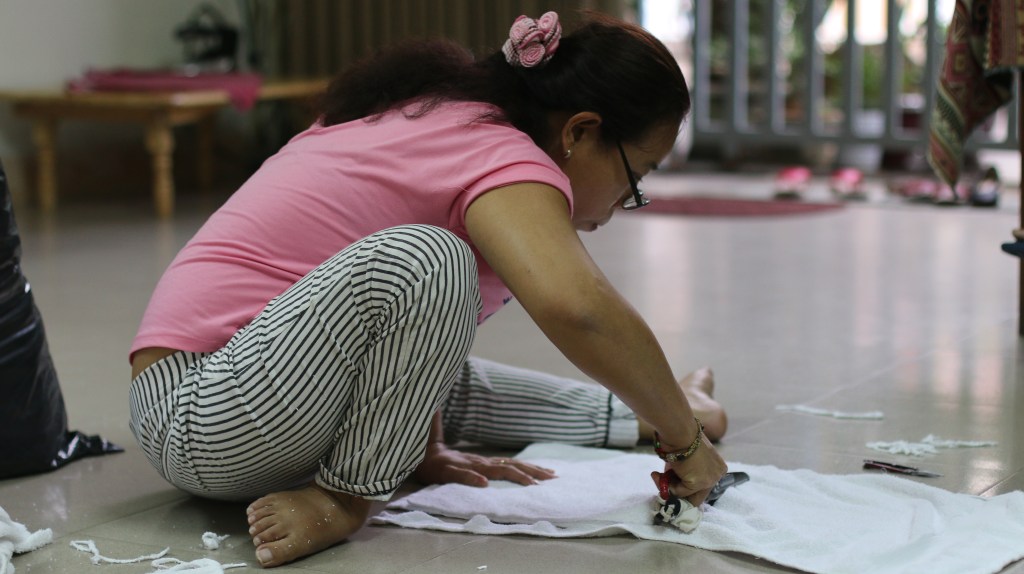
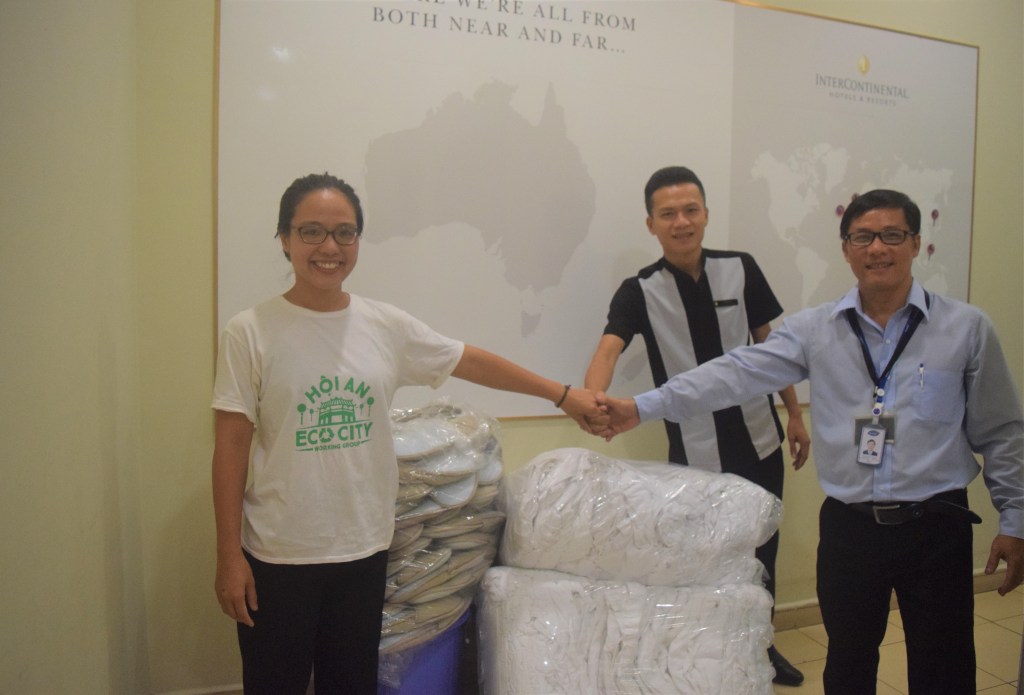
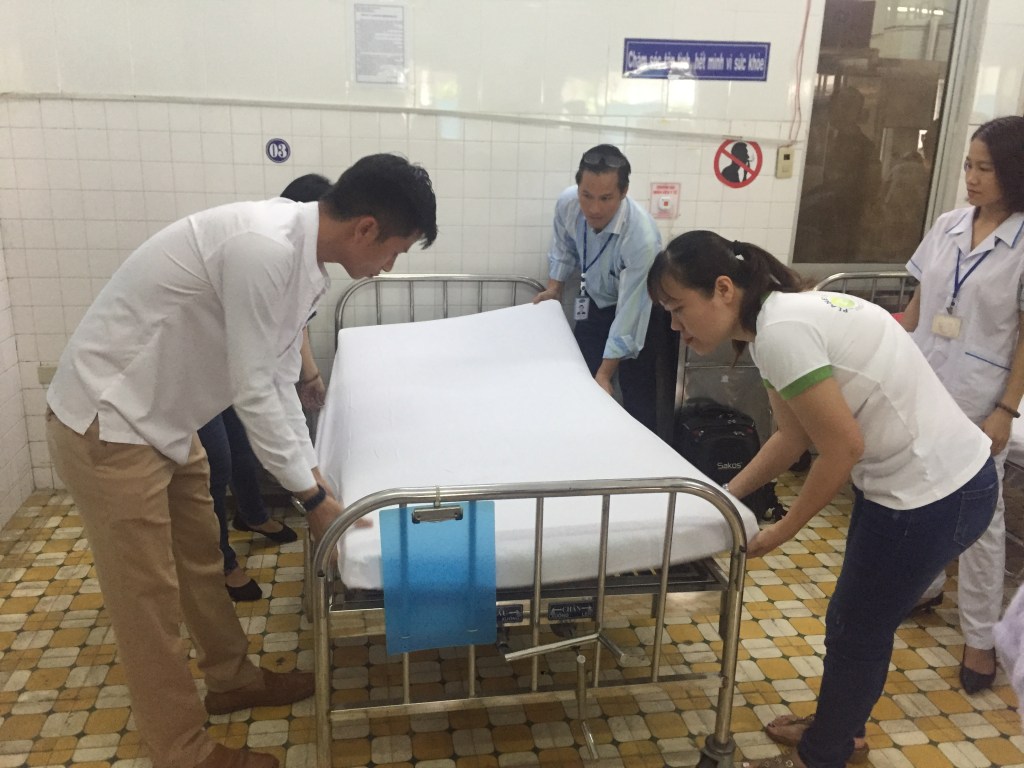
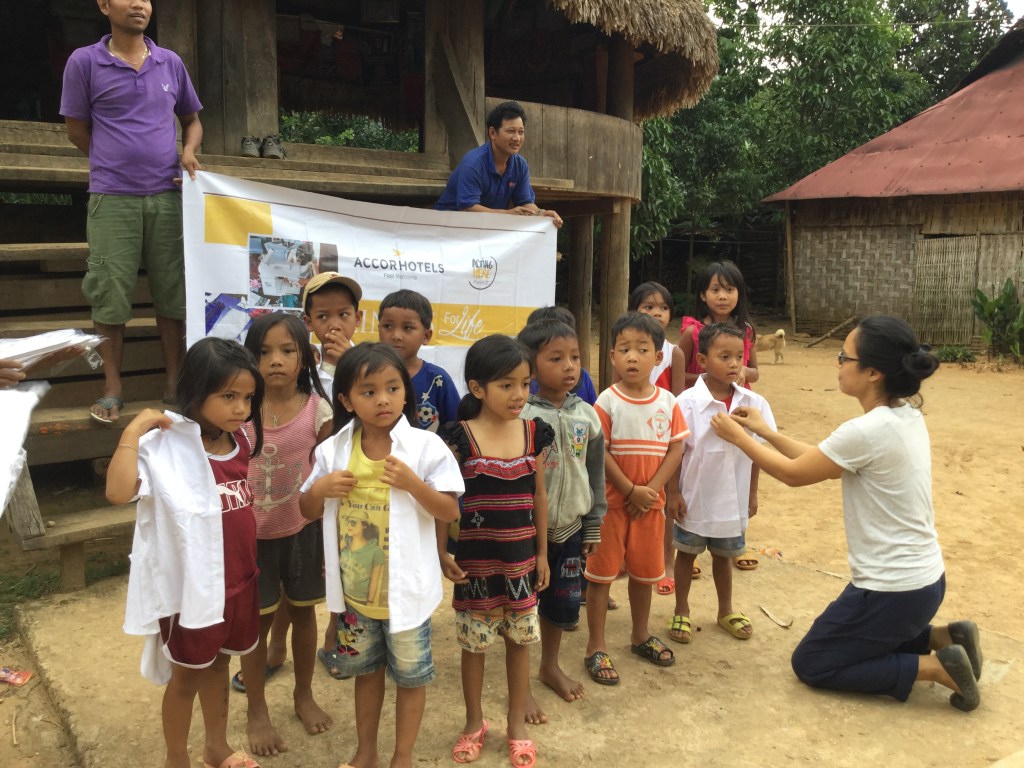
Green Youth Collective is the (earliest) implementation partner of “Linens for Life” program (initiated by Diversey) in Central Vietnam. We help participating hotels repurpose (up to date) 2 tons of discarded linens, collaborate with CORMIS NGO to establish a group of women with disabilities to work on the linen materials as additional livelihood options, and benefit hundreds of people who need linen products (school uniform for children, bed sheets for medical centres..). Our initiative since 2018 inspired a number of other community-led projects on repurposing wasted linens as Hoi An is famous for the linen-related products and services.
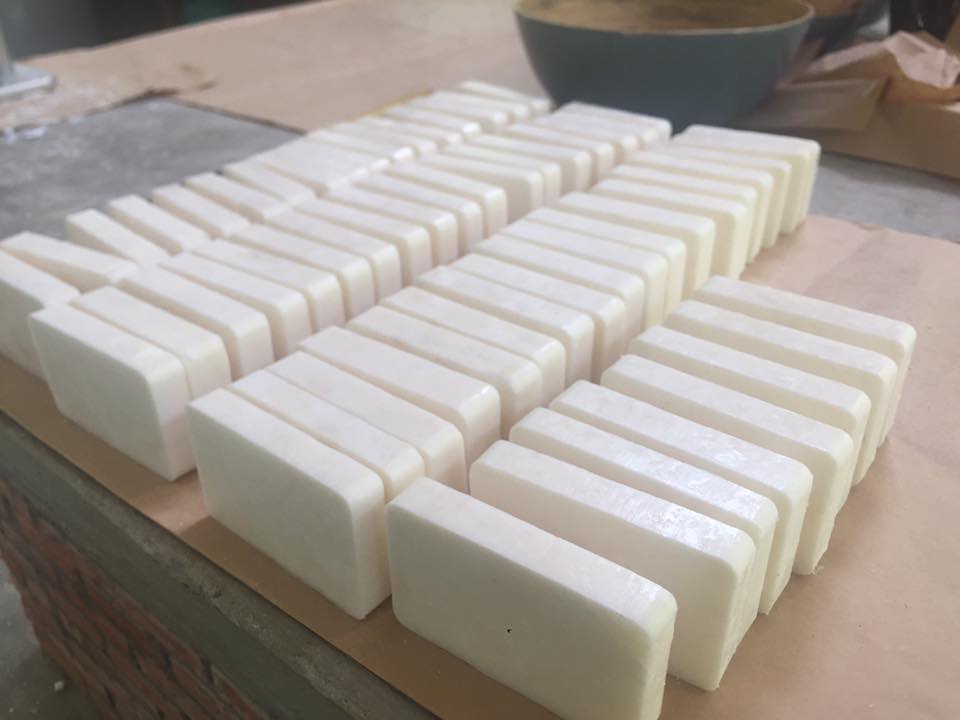
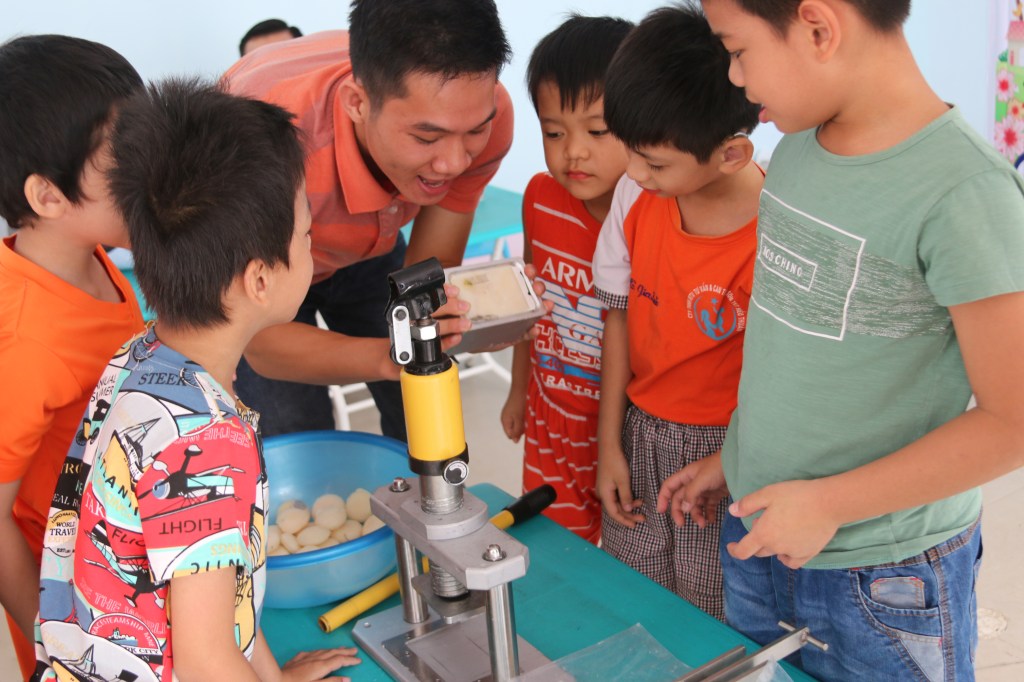
Green Youth Collective is also the (earliest) implementation partner of “Soap for Hope” program (initiated by Diversey) in Central Vietnam. We help luxury hotels remake soaps from discarded pieces of amenity soaps, providing these new-life soaps to those who in need, together with the sanitation education program.
Zero Waste Business Models as Operational Redesign
GYC and REED work with tourism and hospitality partners to redesign operations from the inside out. This transition typically unfolds through three interconnected shifts.
1. Phasing Out Single-Use Products and Services
Through on-site assessments and dialogue, tourism businesses are supported to:
- Identify unnecessary single-use items embedded in daily workflows
- Distinguish between real guest value and habitual disposability
- Gradually eliminate unnecessary products and services that generate waste
This step often leads to immediate waste reduction and cost savings.
2. Transitioning Toward Reuse-Based Systems
Where elimination is not possible, reuse becomes the priority.
Together with business partners, GYC and REED help redesign systems to:
- Replace disposable amenities with refillable, returnable, or shared alternatives
- Integrate reuse into housekeeping, food service, and guest experience workflows
- Ensure reuse systems are practical, hygienic, and aligned with service quality
Reuse is framed as a more coherent way of operating.
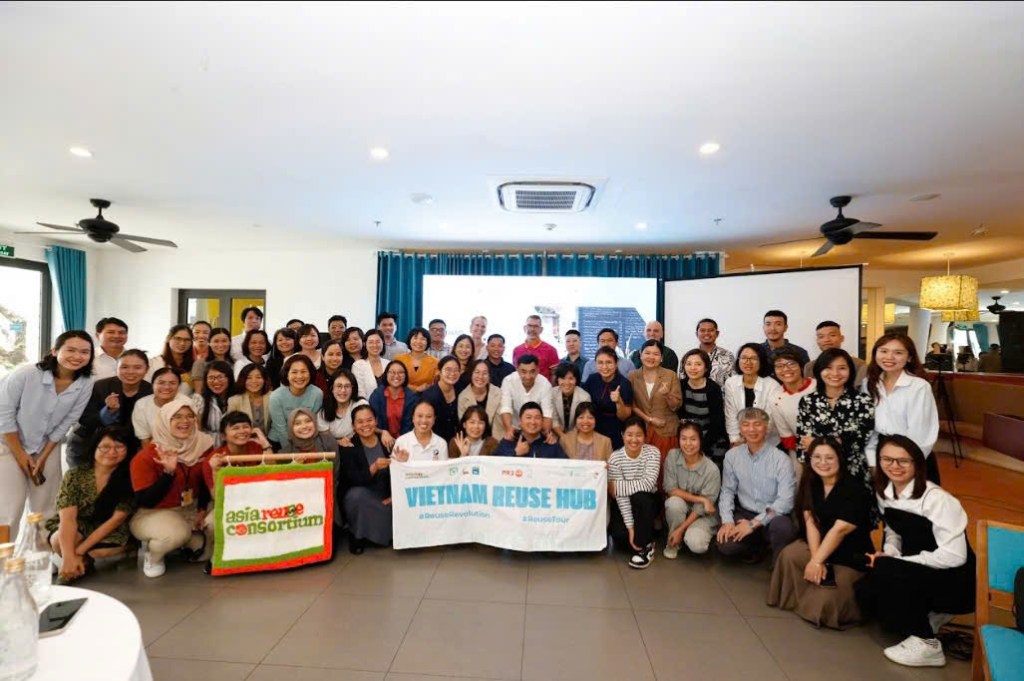
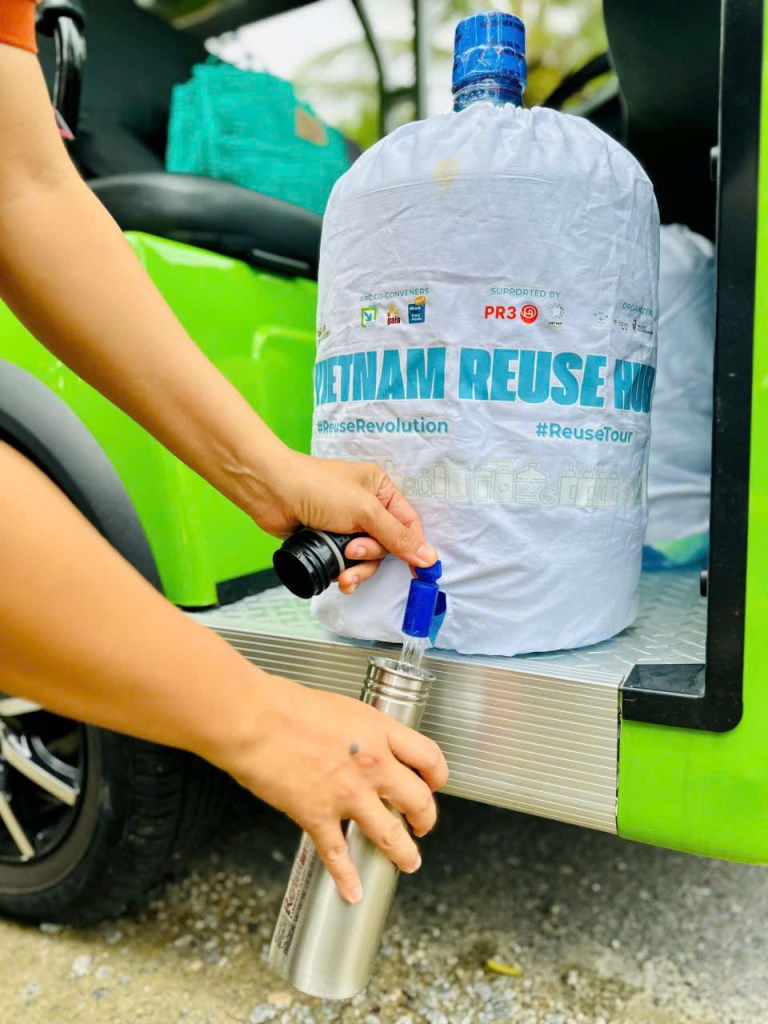
REED organised the first Reuse Tour in Vietnam. We also co-launched Vietnam Reuse Hub in December 2024, a national platform to promote reuse practices across levels and sectors.
3. Connecting to Circular Solution Providers
For remaining material flows, GYC and REED act as community-based intermediaries, helping businesses connect with:
- Local social enterprises and community groups
- Formal and informal waste workers
- Service providers within the Waste Solution Network
This ensures that materials such as food waste, soap, textiles, cooking oil, or coffee grounds are looped back into local circular systems, rather than exported as pollution. The list of solutions is continually developing as we never stop learning new appropriate technologies to apply.
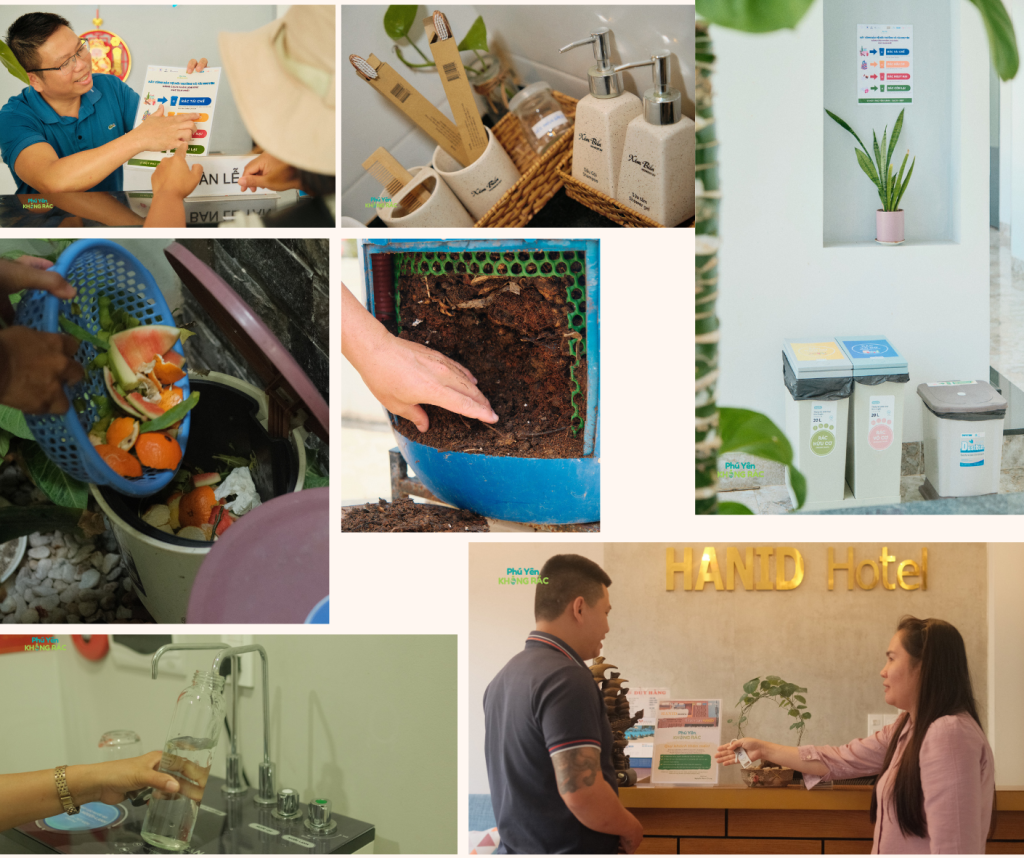
In the “Phu Yen for Zero Waste” project in which REED is the consultant for the component of “avoid single-use plastic” applied at hotels and local markets, we facilitated a process of co-designing solutions with the hotels in Phu Yen province. The integrated waste management solutions include at-source waste segregation, composting on site, move from single-use water bottles to refillable water stations in the properties, refillable amenity bottles and communications campaign with guests, connecting hotels with informal waste pickers. The approach helped reduce 2,8 items of single-use plastic products per guest during the pilot phase, and conversion rate of waste from landfill was 38%. The whole operation system of the hotels was trained and shifted with raised awareness and changing behaviours.
Where the “Social” in our Social business models lives
The social dimension of these business models is intentional and multi-layered.
Inclusive livelihoods and recognition
Many initiatives actively involve women-led groups, youth, and informal workers—those who can be involved into a new relationship with discarded materials from hospitality and tourism sector. Participation creates income, builds skills, and offers social recognition.
Redesigning products and perceptions
Recovered soap, reusable fabric bags, refurbished slippers, and upcycled textiles are not treated as second-grade alternatives. They are redesigned and reframed as symbols of care, circularity, and responsibility.
Rethinking souvenirs and Guest experience
In tourism context, these products quietly challenge dominant ideas of convenience and luxury. A bar of reused soap, a fabric bag, or refurbished slippers offered back to guests tells a different story—one that connects everyday comfort with environmental responsibility and community livelihoods.
Souvenirs become useful, meaningful reminders of responsible travel, rather than objects of excess.
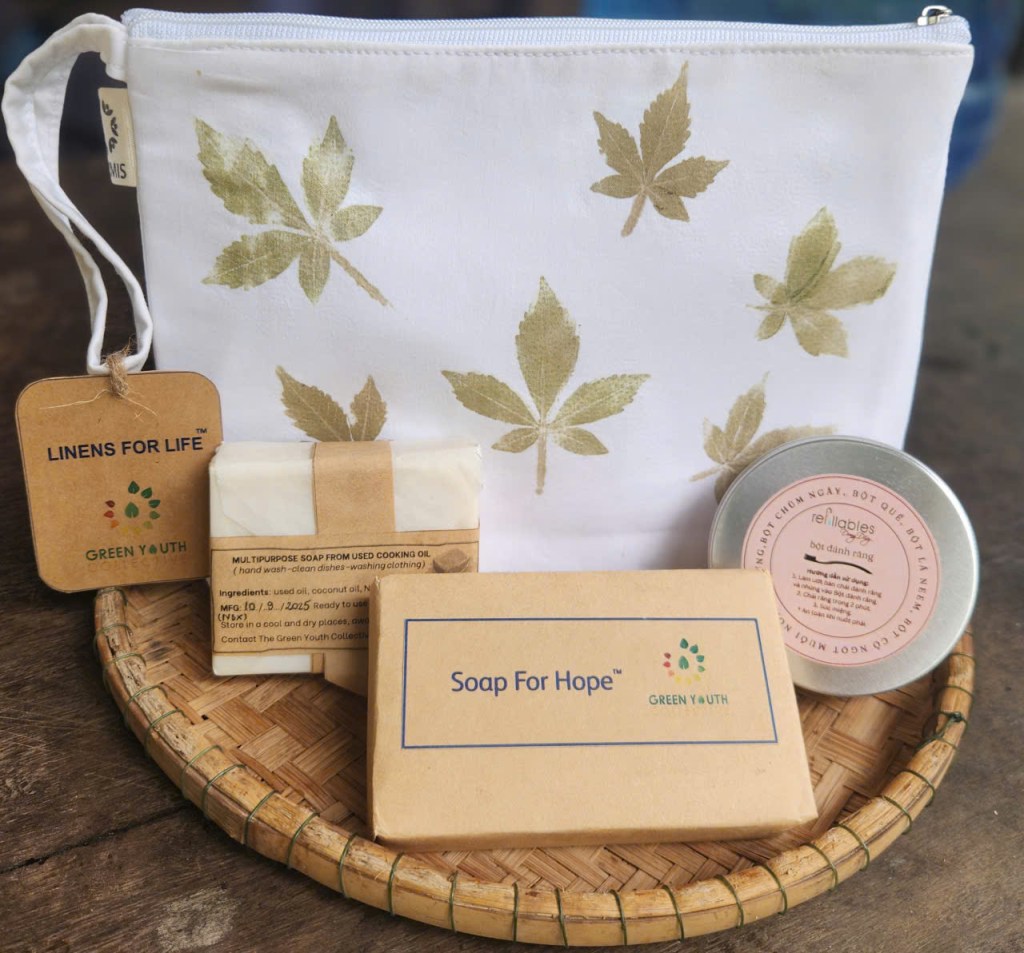
Green Youth Collective’s signature Zero Waste gift set. The mini-porch is made from discarded linens from luxury hotels (“Linens for Life”), soap bar remade from single-use soaps from luxury hotels (“Soaps for Hope”), hand-soap made from used cooking oil, refillable tooth powder using natural ingredients by Refillables Dong Day.
Value for Businesses, Destinations, and Guests
For tourism businesses, zero waste social business models:
- Support ESG and CSR commitments through concrete action
- Reduce waste management costs and operational risks
- Enhance credibility with increasingly conscious guests
For destinations, they:
- Reduce landfill dependency and emissions
- Strengthen local circular economies
- Create inclusive employment opportunities
For guests, they offer:
- Participation in circular practices without inconvenience
- Tangible connections to local people and systems
- Everyday objects that carry real stories and purpose
Partnership-Driven Change at Destination Scale
What distinguishes these models is how change happens.
They are built through long-term partnerships, learning-by-doing, and gradual operational redesign. As more businesses participate, individual transitions accumulate into destination-level transformation. This is what happens at Hoi An, a destination with UNESCO World Heritage Site and UNESCO Biosphere Reserve.
This is where GYC and REED’s intermediary role becomes critical: aligning community-led solutions with business operations and destination strategies.
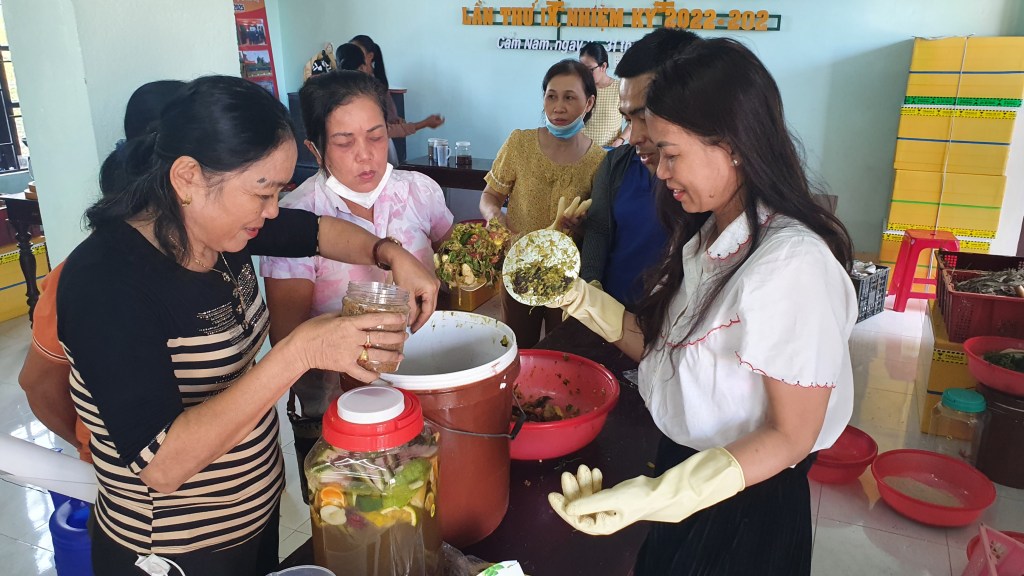
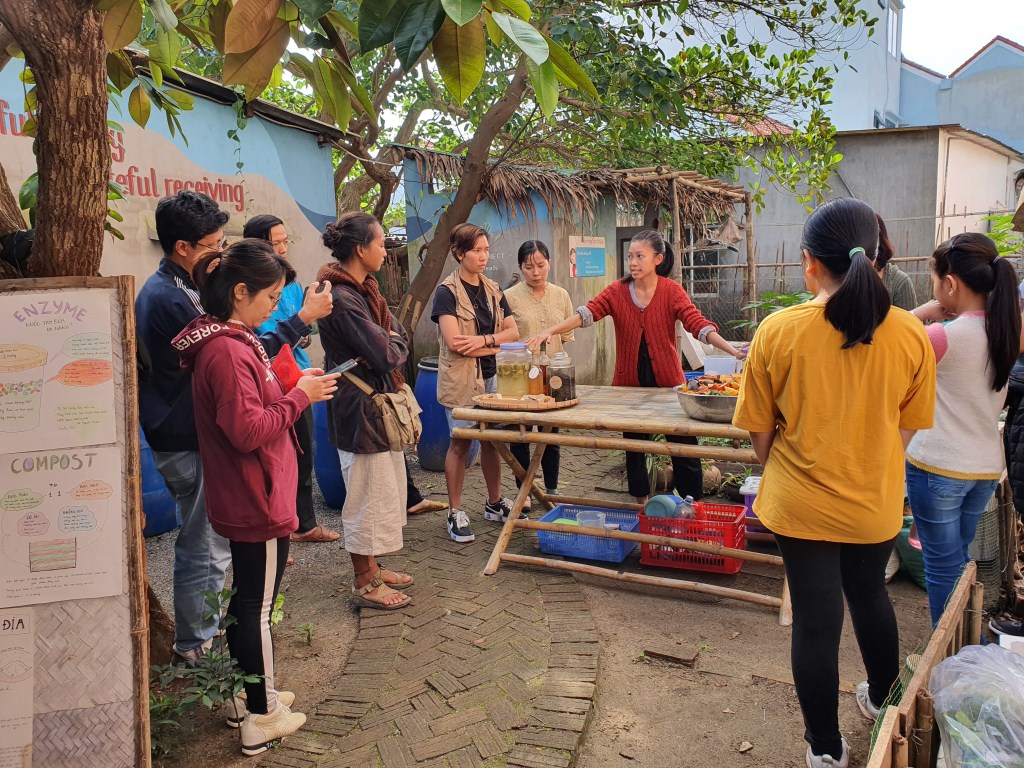
Building the capacity and changing mindset as well as skills to circulate discarded materials back to use through refurbishing, repurposing, reusing, recycling for community residents at tourism destinations are as important as changing operations at tourism businesses and informing local policy. REED engages local government, NGOs, businesses, and local communities in different tourism destinations in sustainable solid waste management.
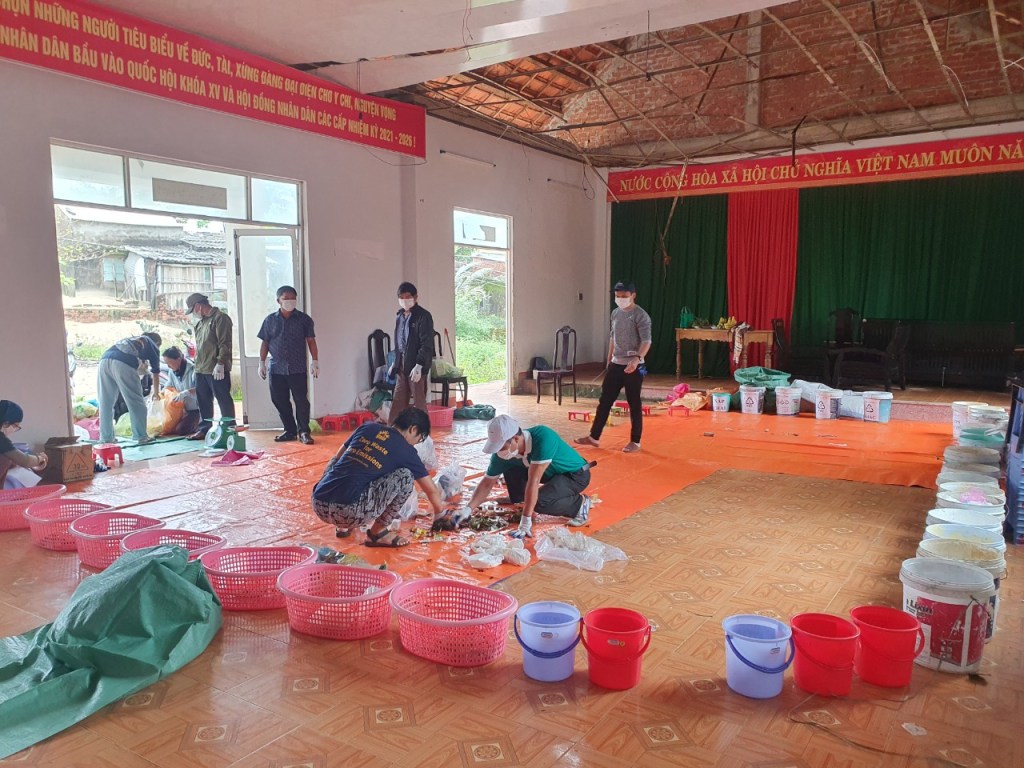
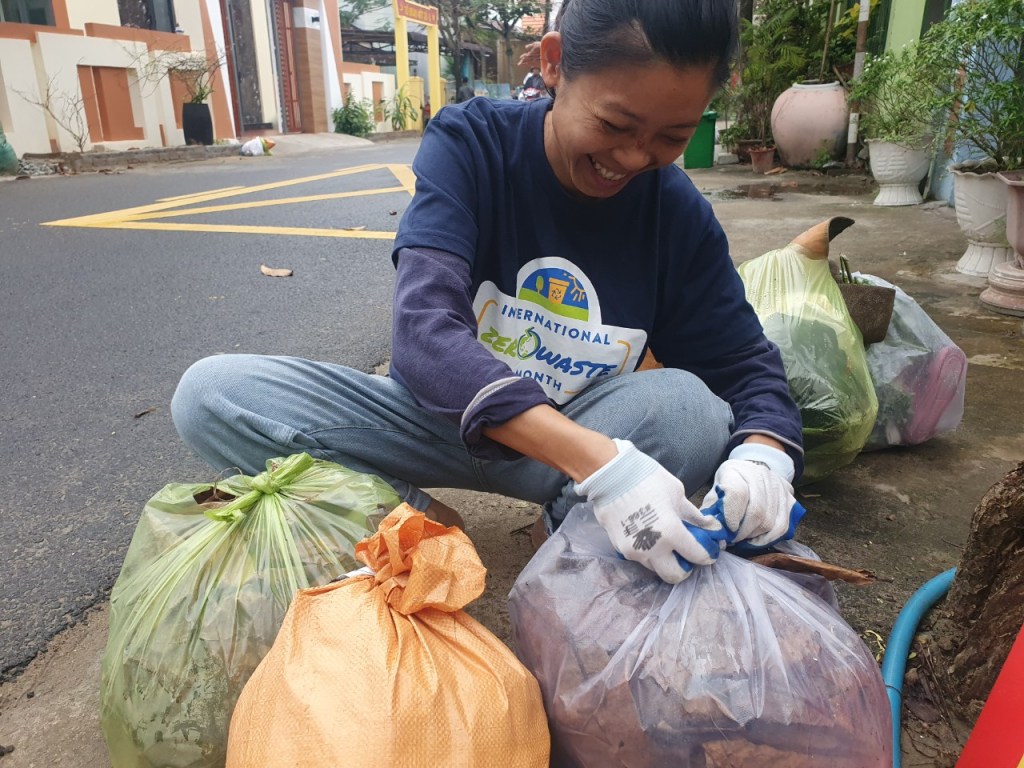
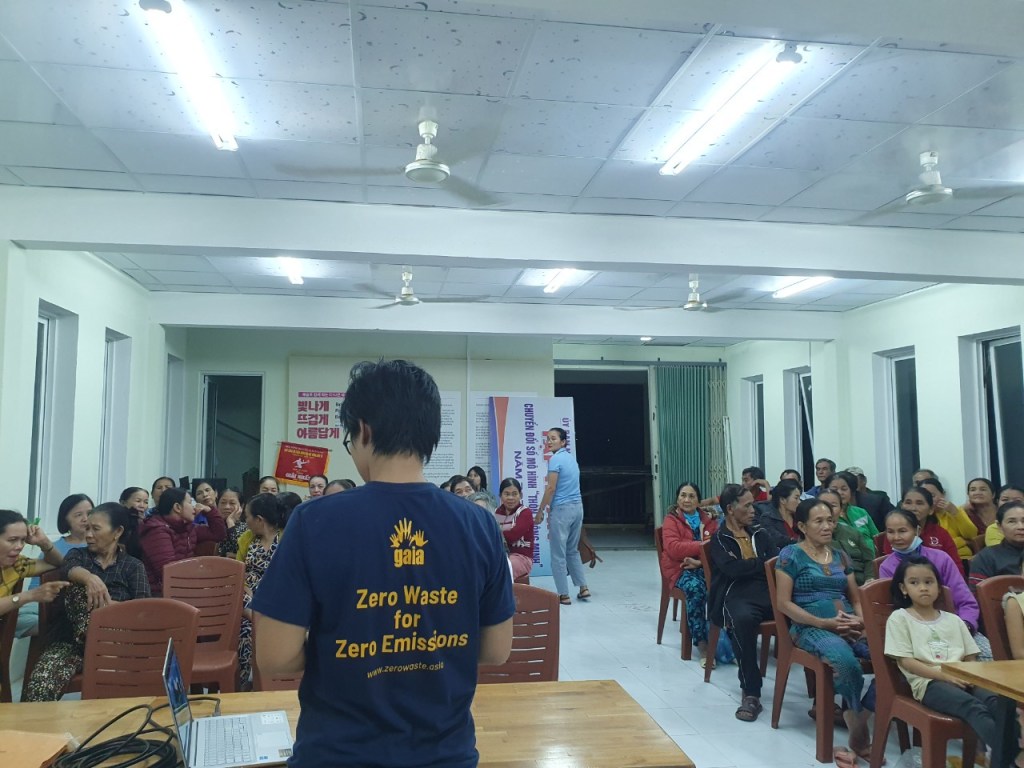
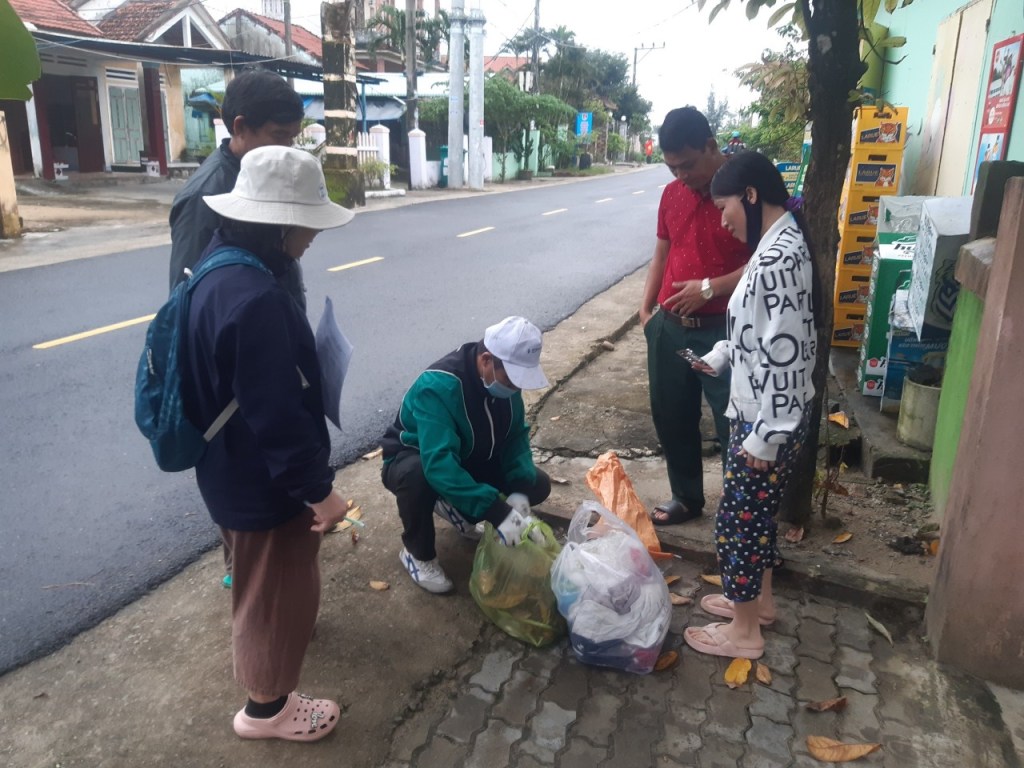
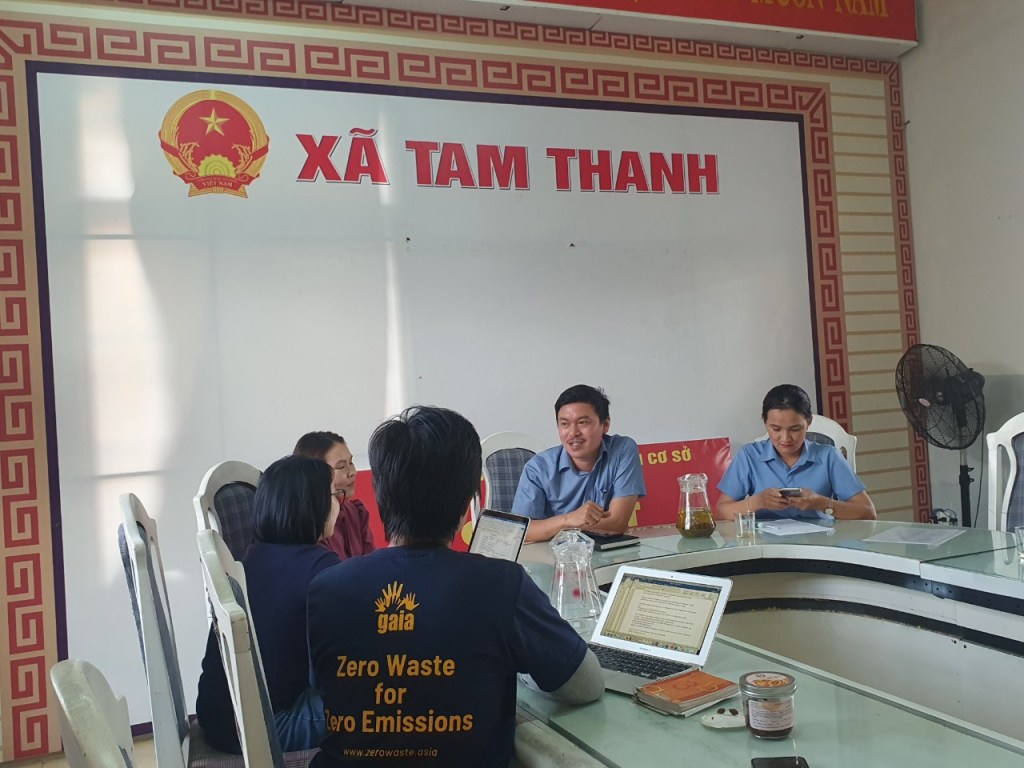
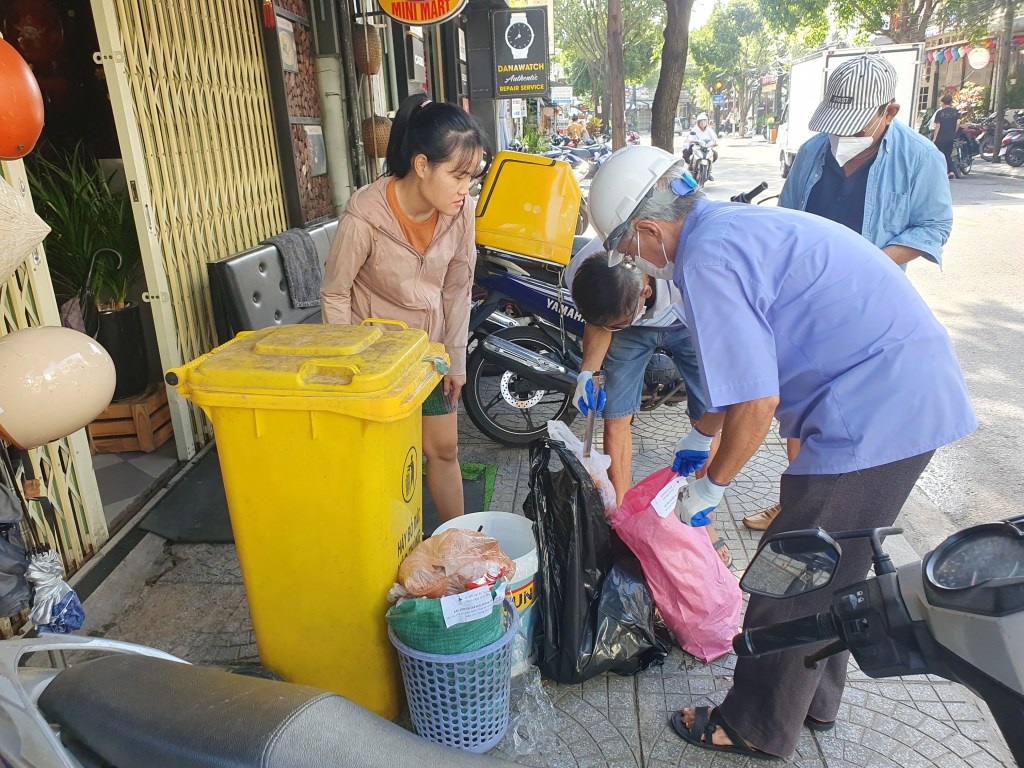
Decentralised solid waste management system as a social business model: REED implements Zero waste activities at tourism destinations in Quang Nam province (Hoi An city and Tam Thanh commune), including waste and plastic audit, organising consultancy workshop with government and communities, forming the solid waste management core team at the targeted neighbourhood community, monitoring waste segregation, training and conduct of composting and reuse where possible.
 Vietnam's Community Schools for Regeneration