The most meaningful changes we’ve witnessed through our work are not only visible in numbers — though those matter — but in the deep shifts in awareness, relationships, and resilience that ripple through people, communities, and systems. Below, we share not only the impact we’ve measured, but also the transformational patterns we observe as this work takes root.
🏛️ Influencing Local Policy and Development Planning
For nearly two decades, we have observed a familiar model in traditional development work: external organizations arrive with funding, deploy experts, and implement short-term projects from a distance. At Green Youth Collective and REED, we have chosen a different path — one rooted in local presence, co-creation, and demonstration-based action.
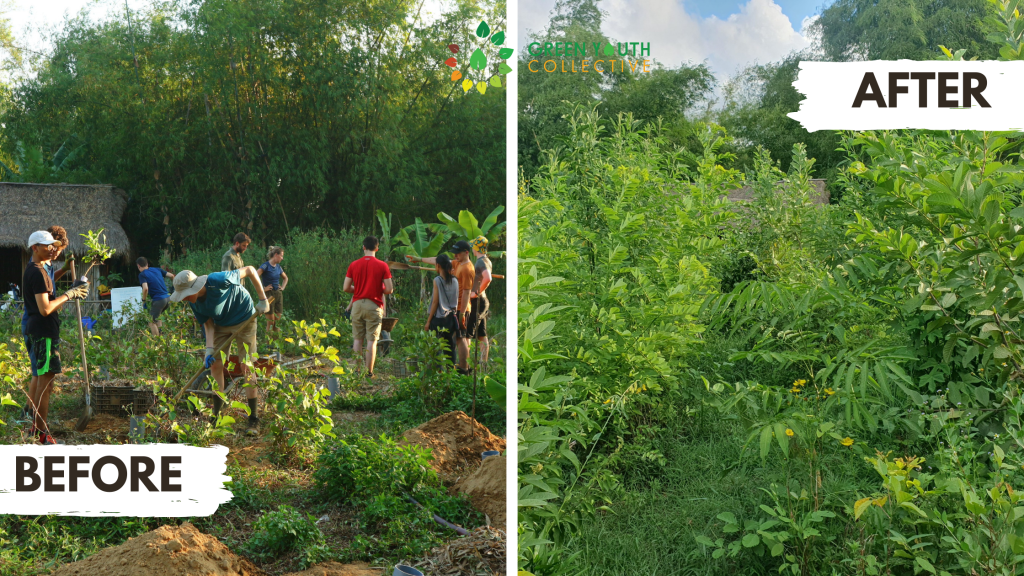
By investing in small-scale, community-led prototypes — such as decentralized composting systems or regenerative gardens on abandoned land — we model alternative solutions from the ground up. These living demonstrations engage villagers as co-designers from the start, and only later bring in local government, businesses, and broader community stakeholders to reflect on results and possibilities for replication.
This approach has begun to reshape local systems. Today, we are not only consulted by local authorities, but also contracted to deliver community-based environmental services. This signals a deep shift in the policy landscape: from top-down directives to locally informed planning, from passive compliance to active collaboration.
🌱 Creating New Mindsets, Livelihoods, and Green Jobs
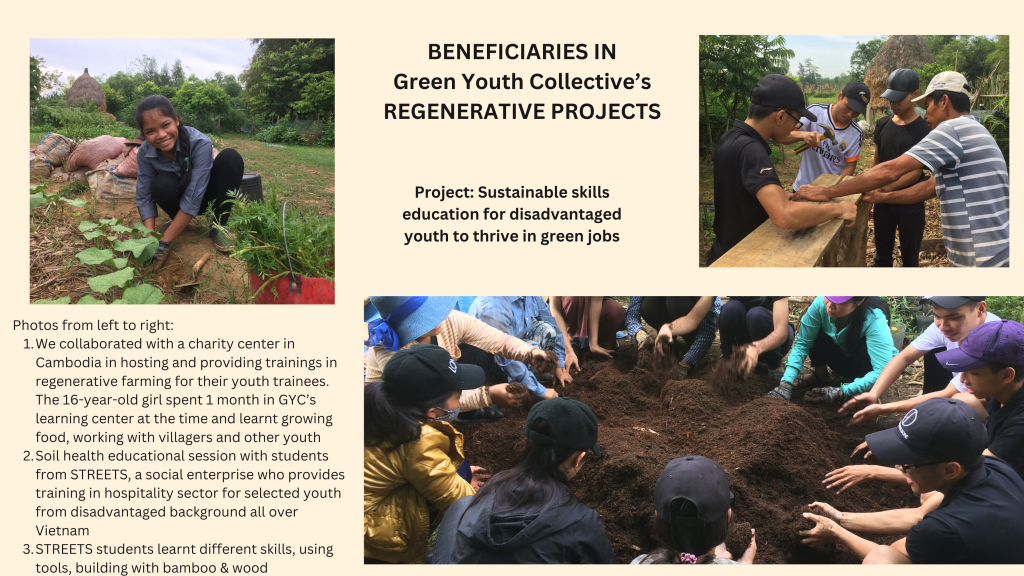
We work closely with grassroots changemakers — women, youth, farmers, waste workers — many of whom are navigating the rapid transformation of their ancestral lands. Traditional livelihoods are under threat from urbanization, land conversion, and climate impacts. In this context, our programs offer more than income — they offer a new way to think, to live, and to thrive.
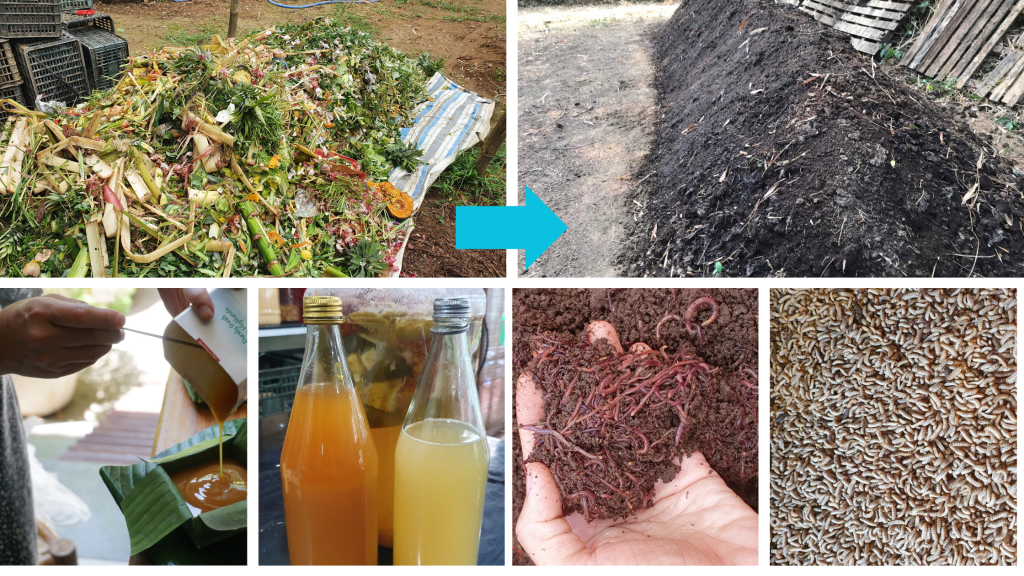
By embedding regenerative principles — such as turning waste into resource, or working with nature rather than against it — we introduce a new livelihood paradigm. For example, establishing a Community Compost Facility allows local villagers to process organic waste from restaurants and markets into compost, worm castings, and other inputs for natural farming. These products support household food production, community gardens, and micro-enterprises — all while reducing the city’s landfill burden.
What emerges is a localized circular economy that builds dignity, agency, and ecological well-being — and opens pathways to sustainable, place-based employment.
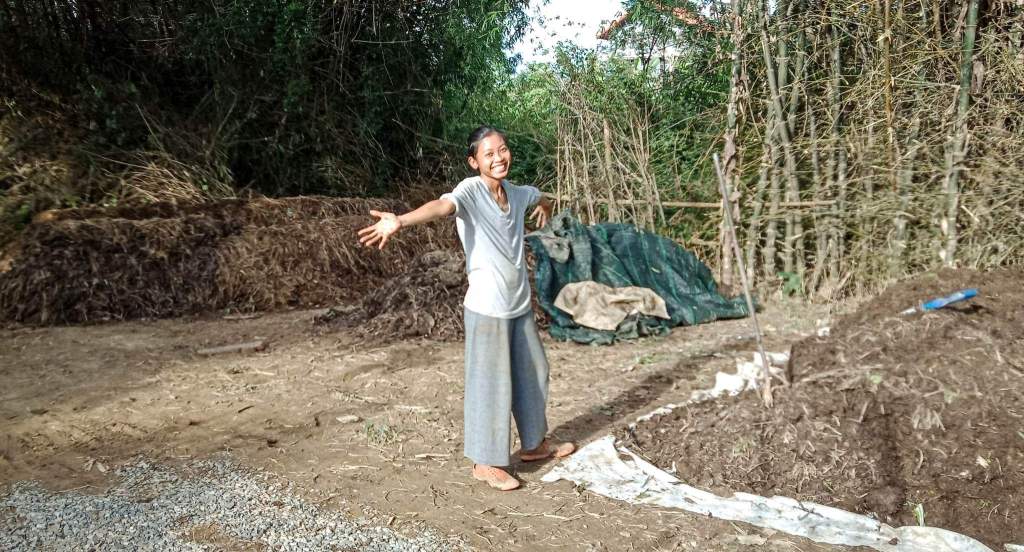
Meet Tu, our Organics Management program manager.
Over the past five years, Tu has grown from a local volunteer to a respected leader in zero waste systems. She now coordinates the daily diversion of over 400 kg of organic waste from Hội An’s landfill, leads community trainings in composting and food waste prevention, and prototypes appropriate technologies adapted to local needs. Through this journey, Tu has not only developed professional expertise, but also personal confidence and leadership — mentoring a team of waste workers and inspiring other young women to step forward.
Tu’s story is one of many — demonstrating that green jobs can empower, uplift, and regenerate.
🔄 Redesigning How We Work, Live, and Connect
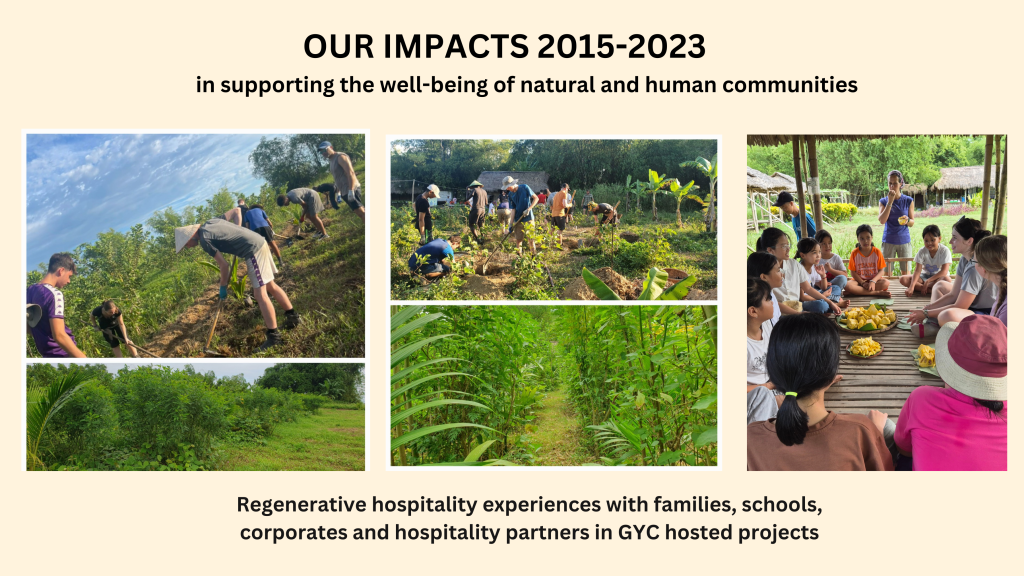
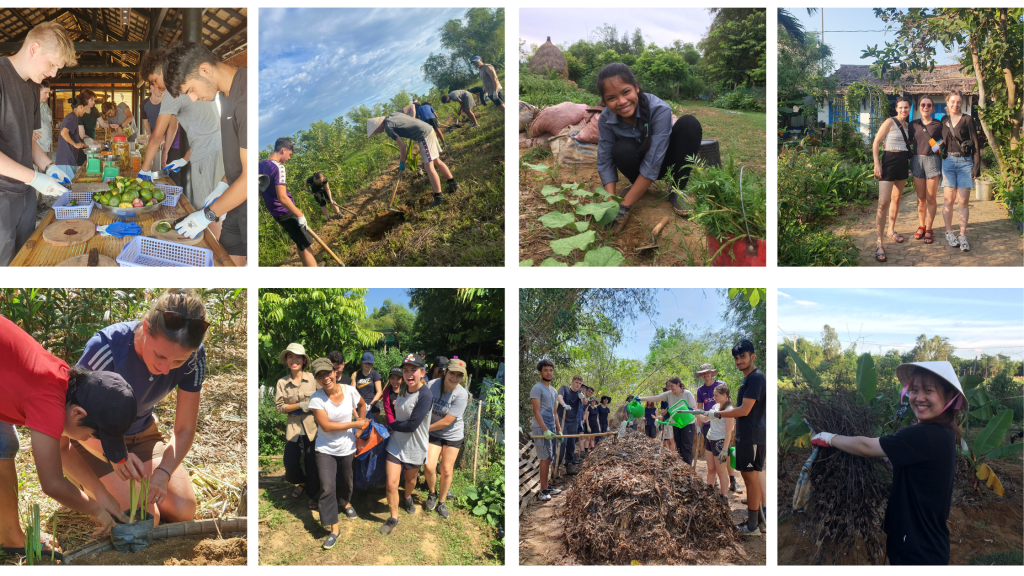
In the last decade, hundreds of visitors, learners, and collaborators from around the world have joined us in our Community schools for Regeneration and project sites. Whether they are farmers from the next village or educators from halfway around the globe, one thing is clear: we are all seeking new ways to live meaningfully, responsibly, and in harmony with nature.
Our hands-on, place-based programs provide more than learning — they offer space for reflection, reconnection, and redesign. In a world shaped by biodiversity loss, environmental degradation, and social fragmentation, our work invites people to ask deeper questions:
- What kind of systems are we participating in?
- What kind of life do we want to co-create?
- How can we take part in healing what has been broken?
For many, this becomes a turning point — a personal and professional re-alignment that leads to more conscious choices, new relationships, and a deeper sense of belonging and purpose.
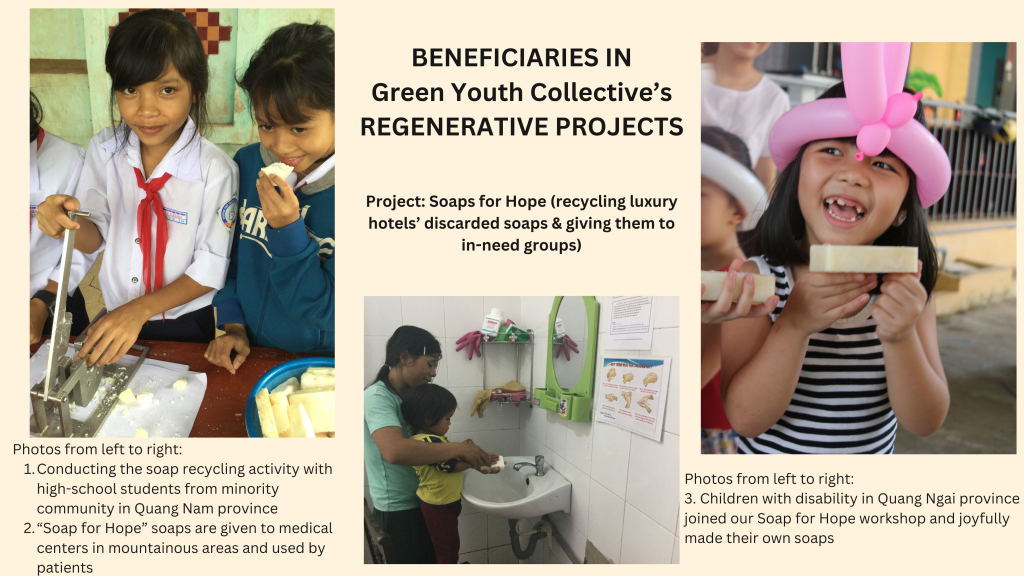
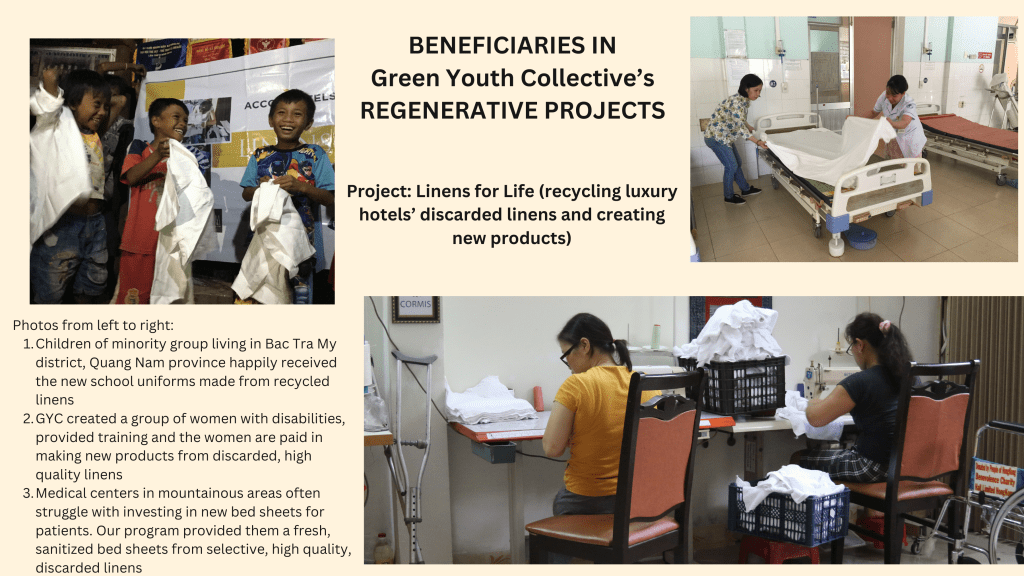
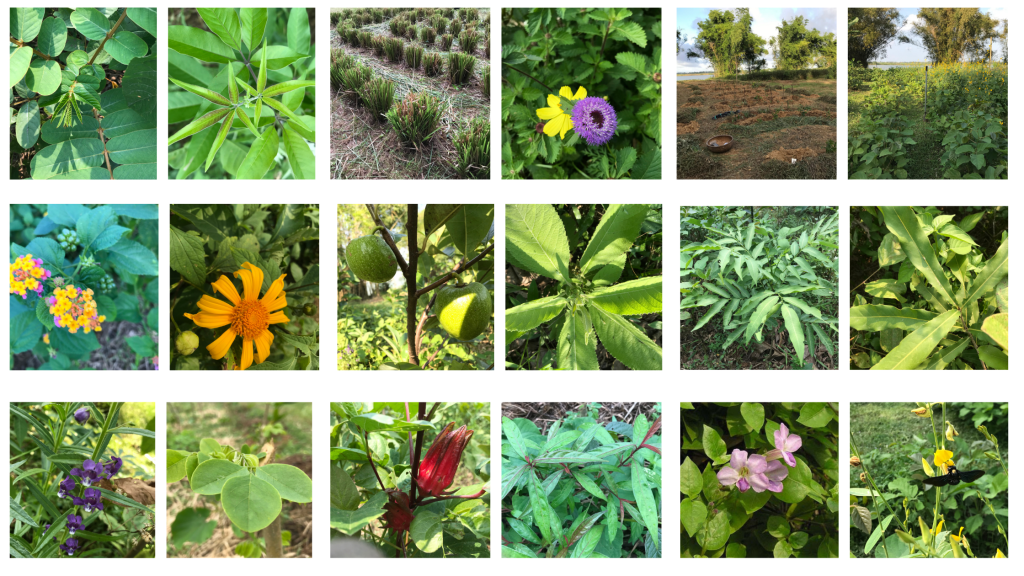
And Yes, the numbers also tell stories
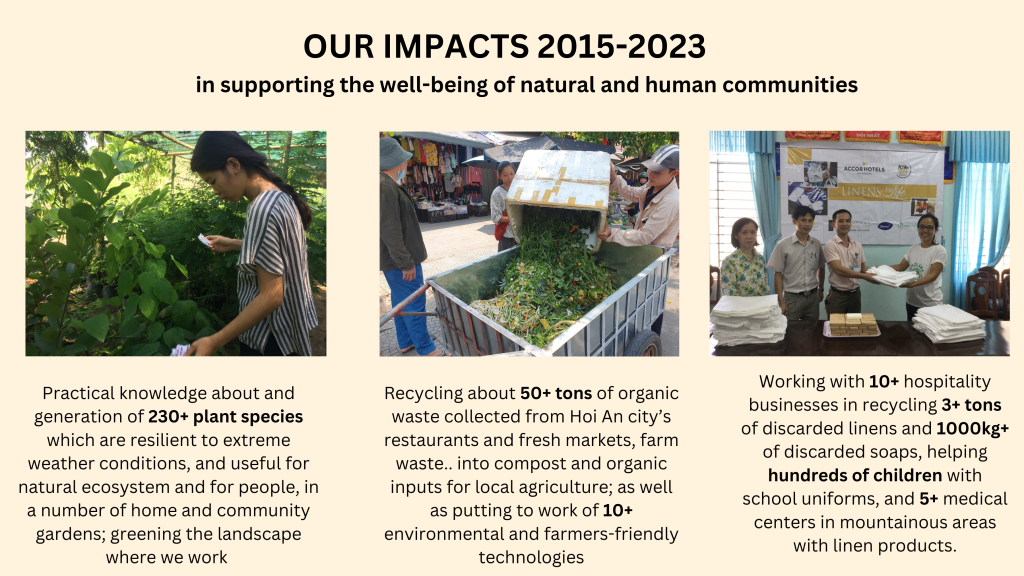
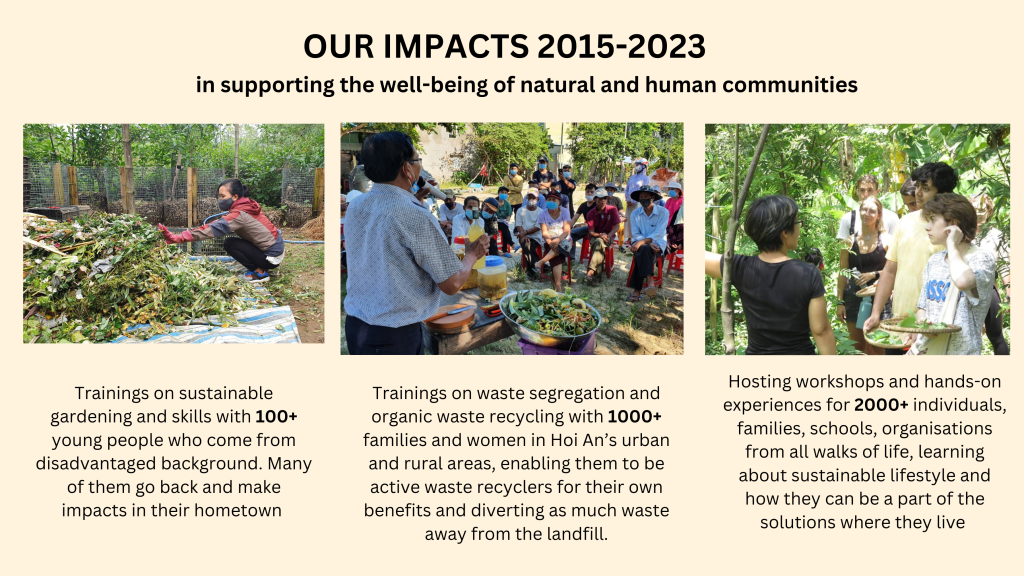
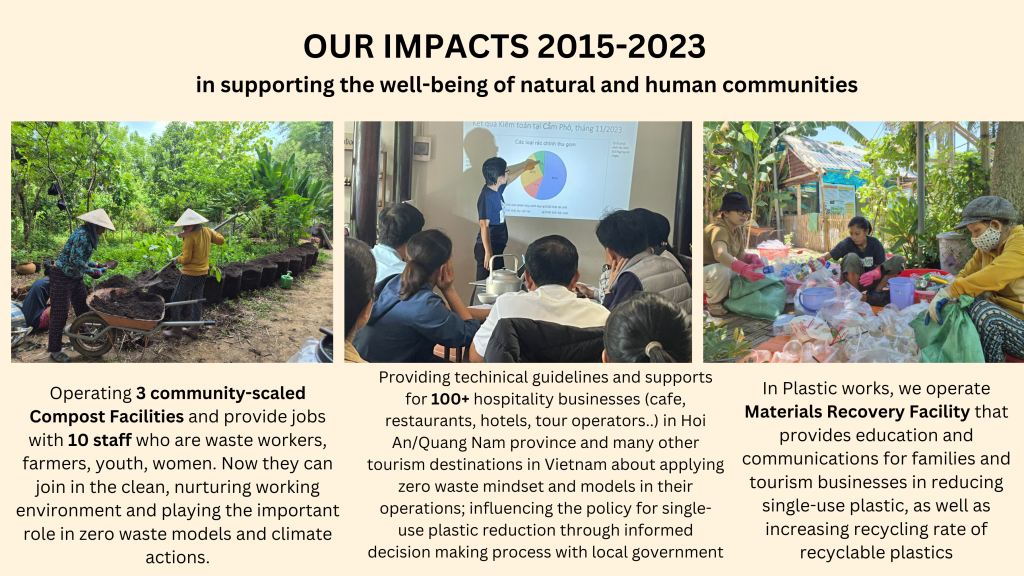
What These Changes Mean
What we are building — slowly, patiently, with the people — is a living ecosystem of possibility and transformation. One where:
- Waste becomes resource
- Jobs become acts of care
- Land becomes life again
- Community becomes agency
- Learning becomes a way of living
These are not quick wins. They are slow, systemic shifts, rooted in place, in people, and in purpose. And they are the foundation for a regenerative future we can all grow into — together.
 Vietnam's Community Schools for Regeneration