Learning from daily life. Regenerating together.
In many places, sustainability education remains abstract—detached from daily life, local livelihoods, and living ecosystems. At Green Youth Collective (GYC) and REED, we approach sustainability learning as a practical, place-based process rooted in how people live, work, and interact with their environment.
This approach led to the development of Community Schools for Regeneration: community-led learning spaces where regeneration is practiced through real activities, not taught as theory. Our dream is one school at one village community in and outside Vietnam.
In practice, these schools are called Eco Hubs—a simple and accessible name used by local communities.
What is a Community School for Regeneration?
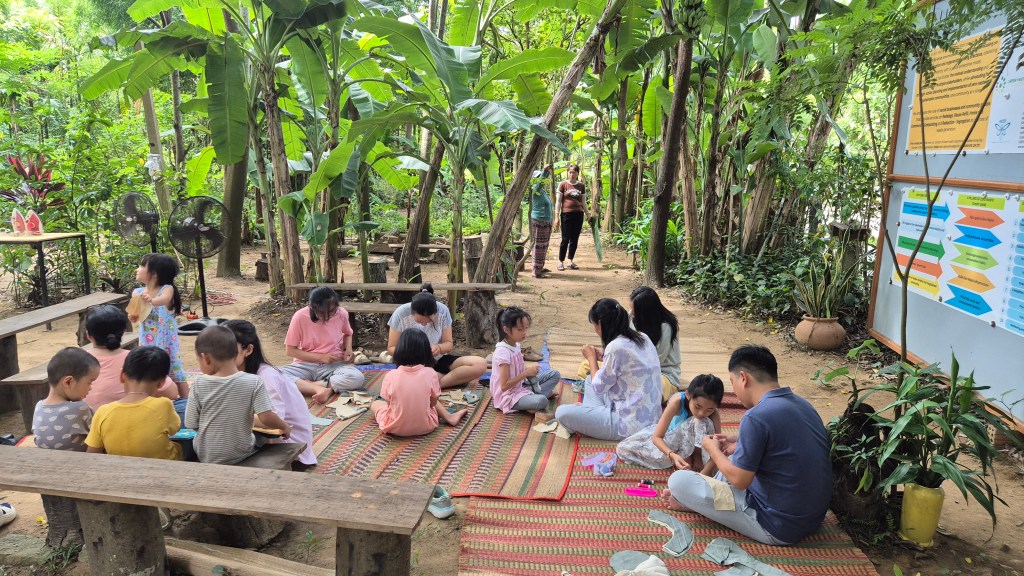
A Community School for Regeneration is a place-based learning ecosystem, located within a real community and operated through ongoing, real-life activities. These schools do not function as conventional classrooms. They are living systems where learning emerges from hands-on work, shared responsibility, and long-term engagement with local challenges.
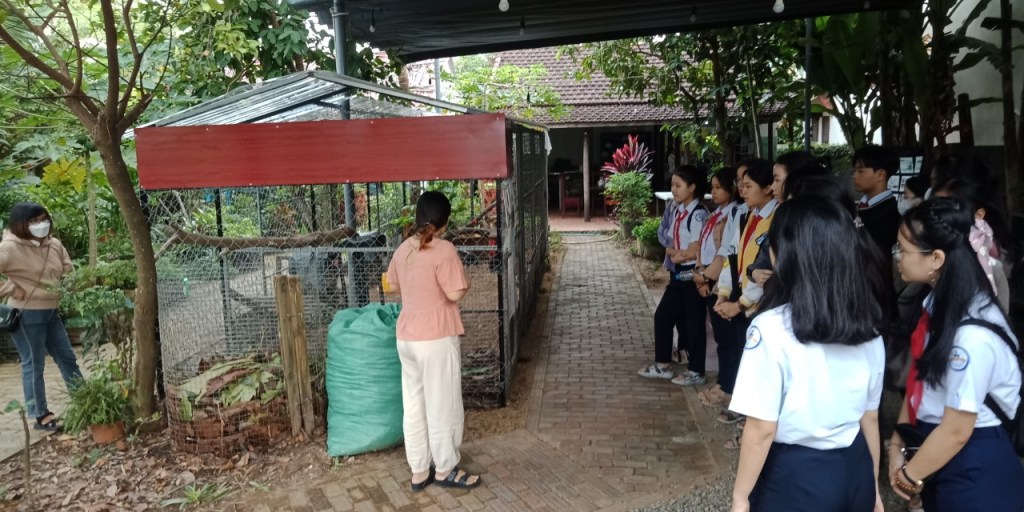
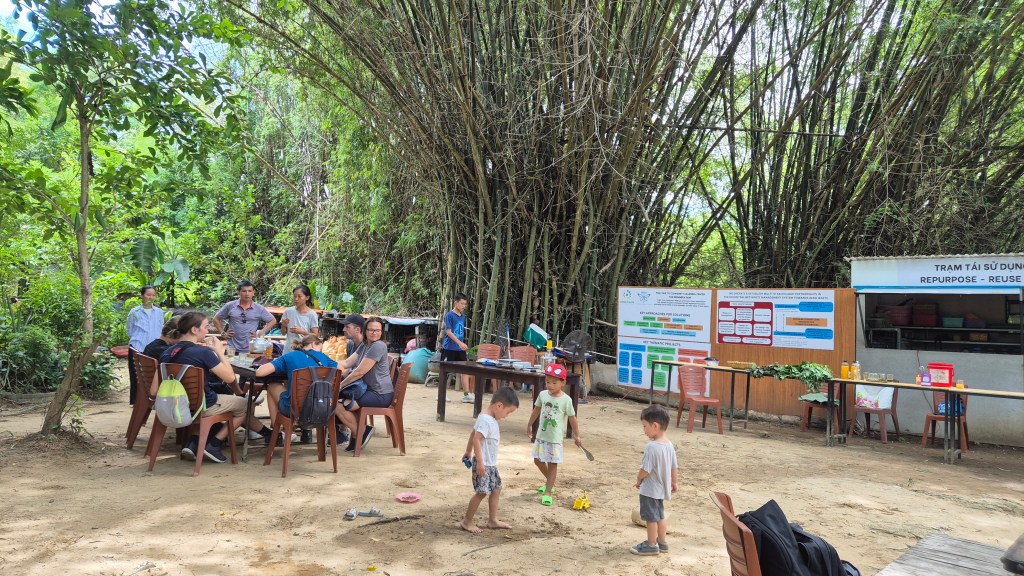
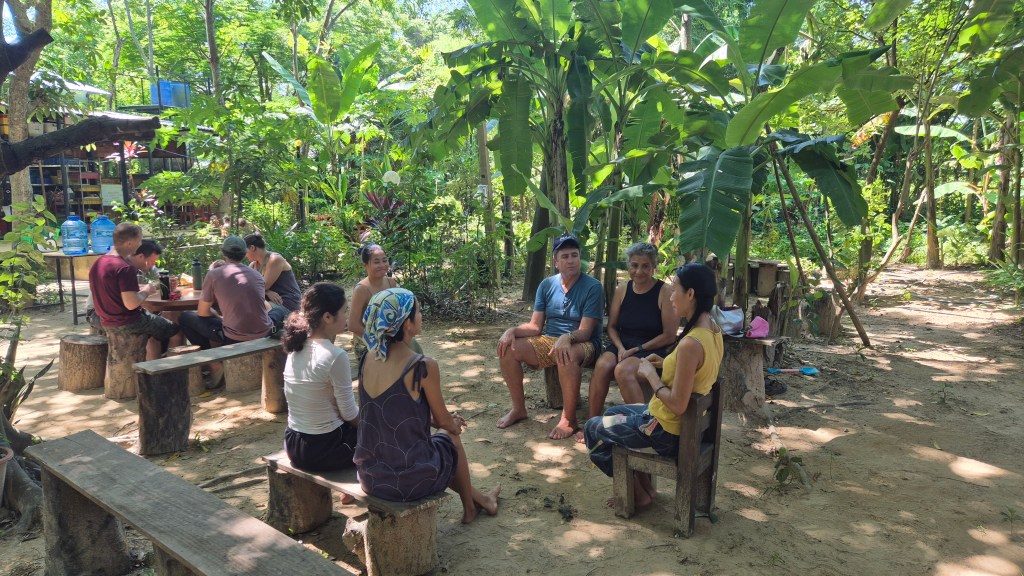
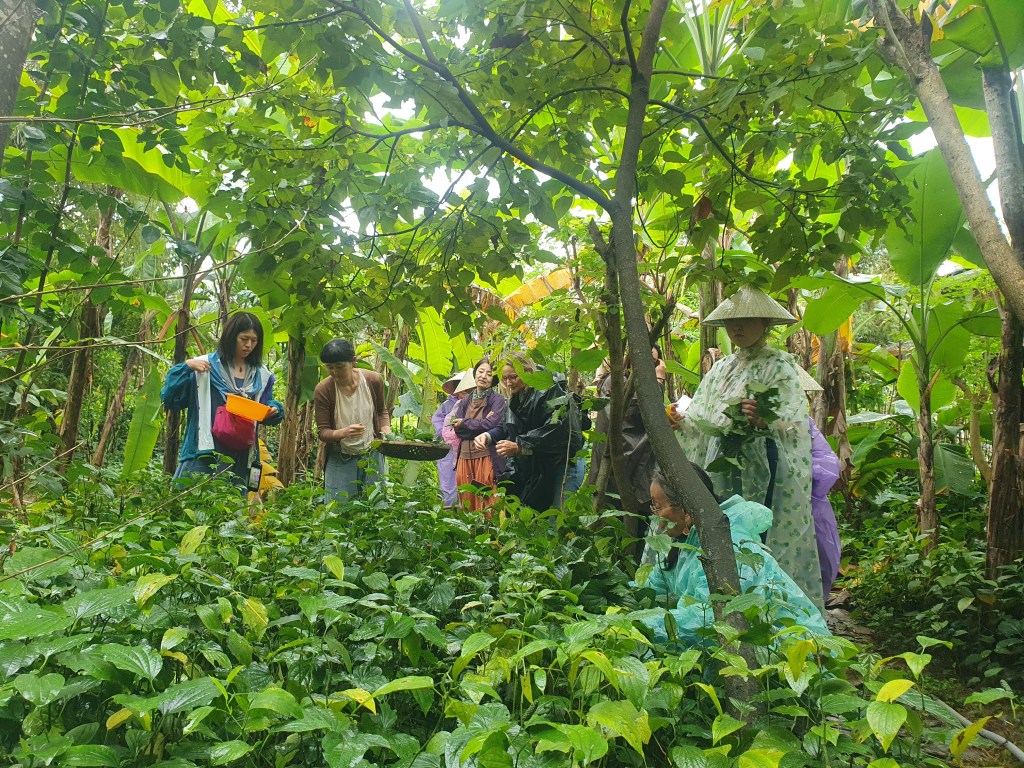
At the heart of each school is the community-led projects that run daily and respond directly to local ecological, social, and economic conditions. Depending on context, they may include community compost facilities, reuse and refill systems, materials recovery, plant nurseries, community farms or gardens, and spaces for training and dialogue.
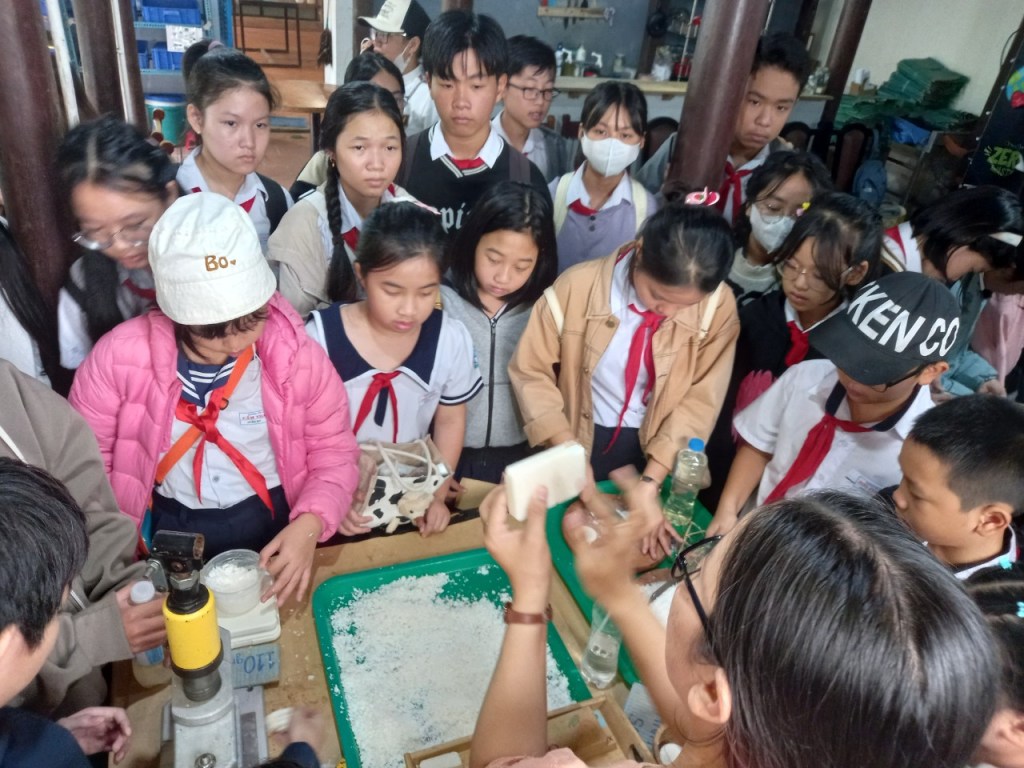
Learning is inseparable from action. Participants do not come to study sustainability; they come to participate in regeneration.
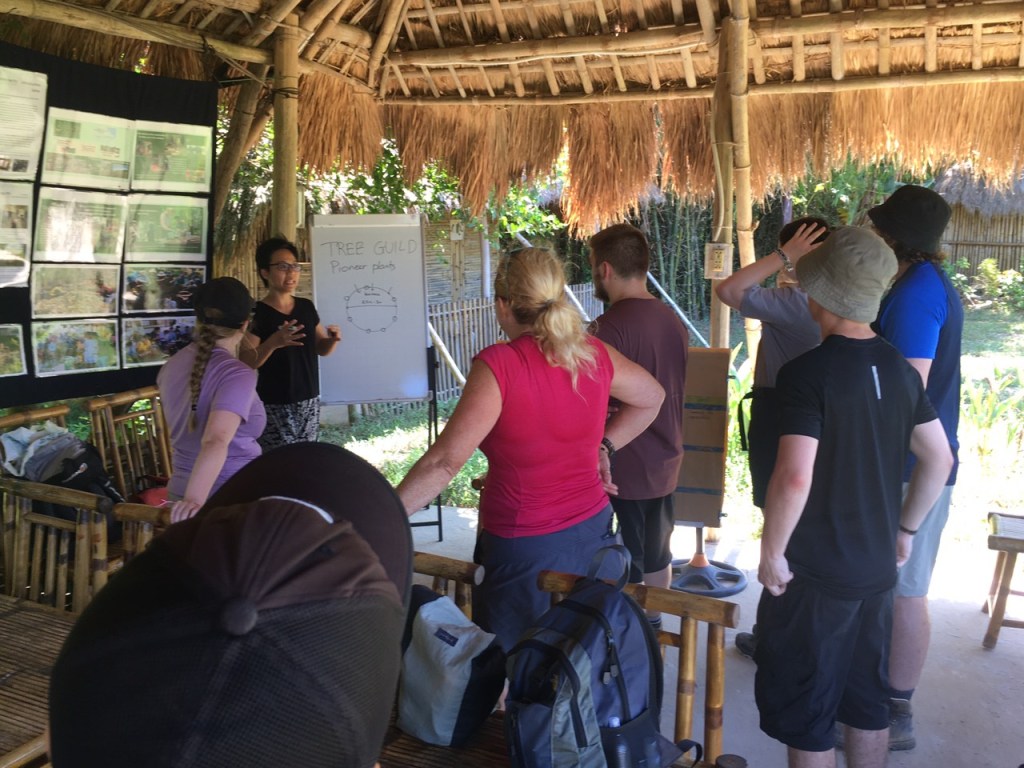
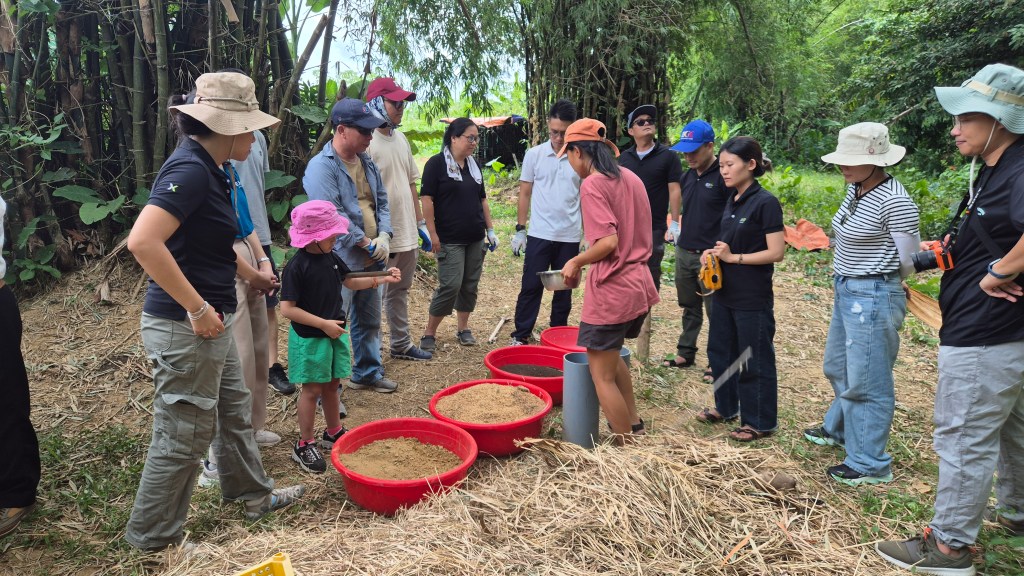
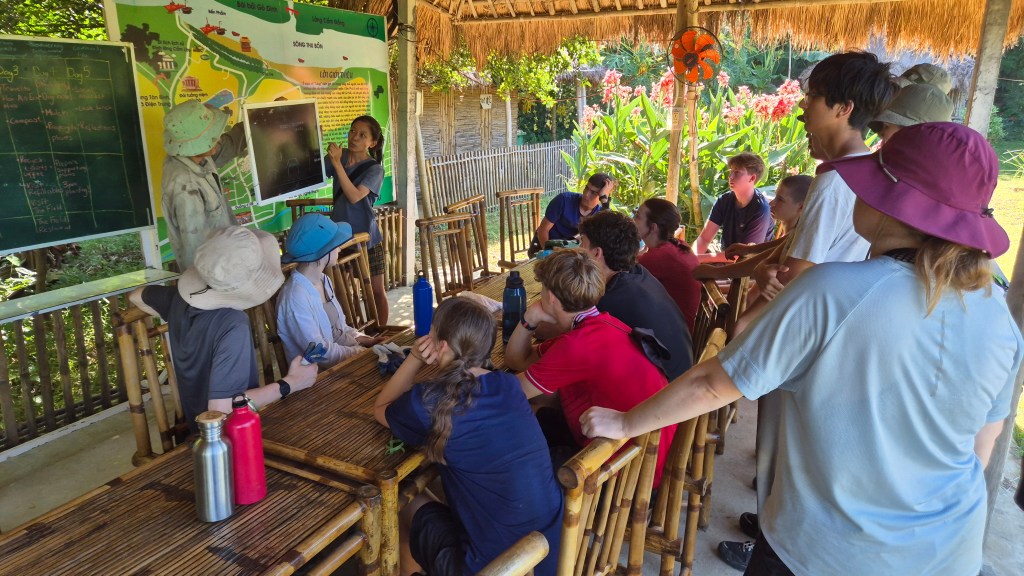
Travel companies like EXO Travel sent their staff to learn about sustainability and community-led climate solutions
How learning happens
Learning in Community Schools for Regeneration follows a simple principle:
we learn by doing what needs to be done.
Before designing workshops or programs, we observe how waste is generated and managed, how land and water systems function, how livelihoods are changing, and how climate pressures affect daily life. Educational activities are built directly on top of these ongoing operations.
As a result, learning is:
- Experiential – hands-on and grounded in real work
- Systems-based – connecting waste, food, soil, water, livelihoods, health, and culture
- Intergenerational and inclusive – involving farmers, waste workers, women, youth, educators, officials, visitors, and businesses
- Long-term – designed to remain with the community beyond project timelines
Workshops may include organic waste management, reuse and repurposing, closed-loop farming, regenerative gardening, native plant nurseries, land restoration, or redesigning everyday consumption practices. Each activity is part of a larger regenerative system already operating in the community.
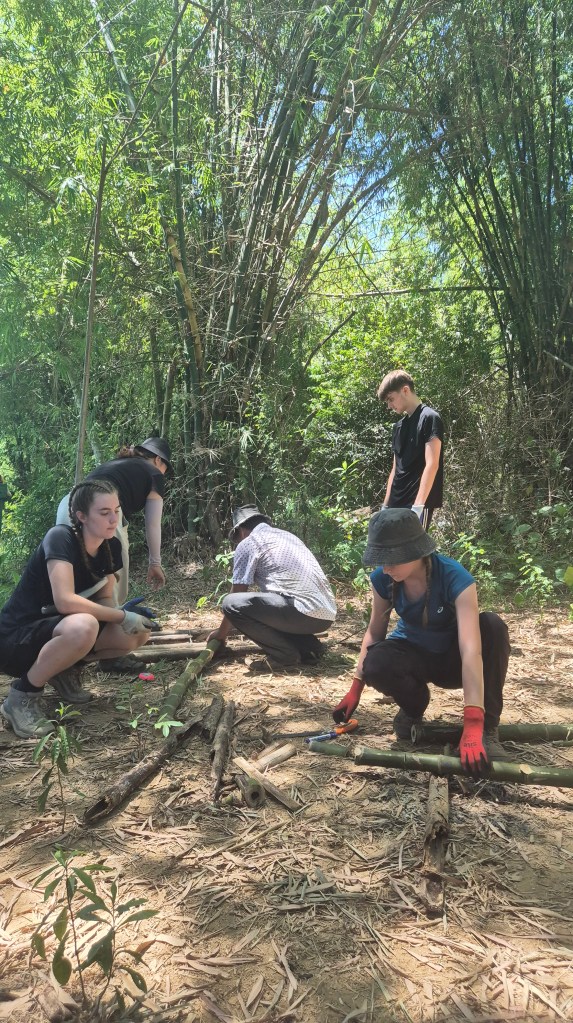
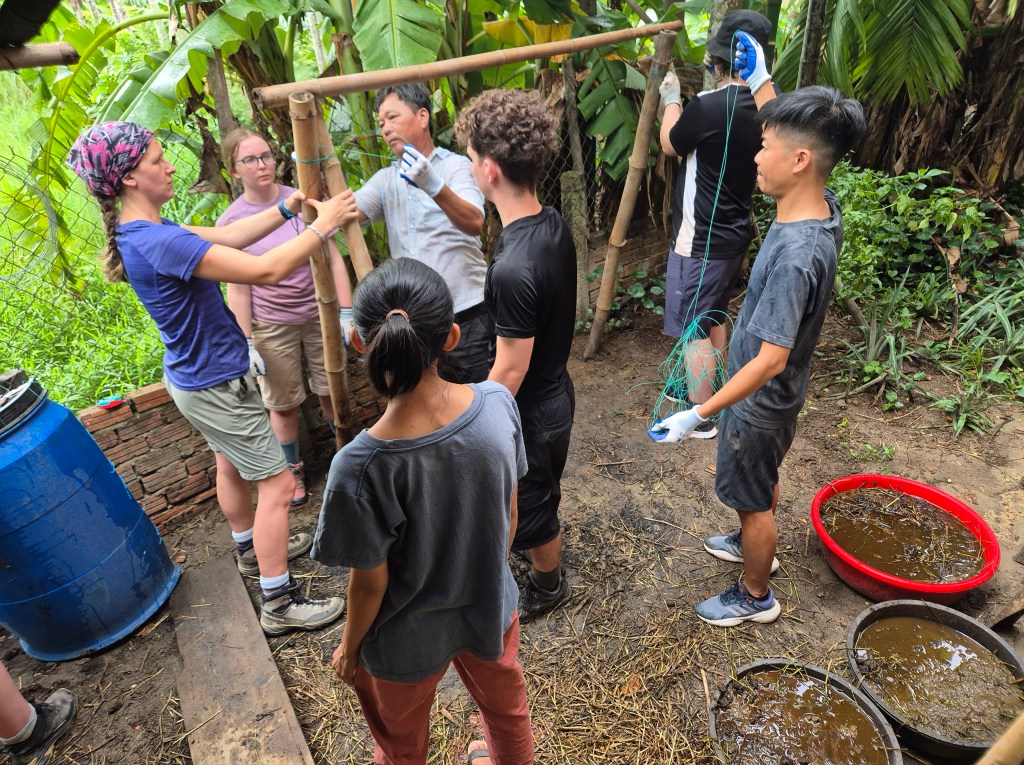
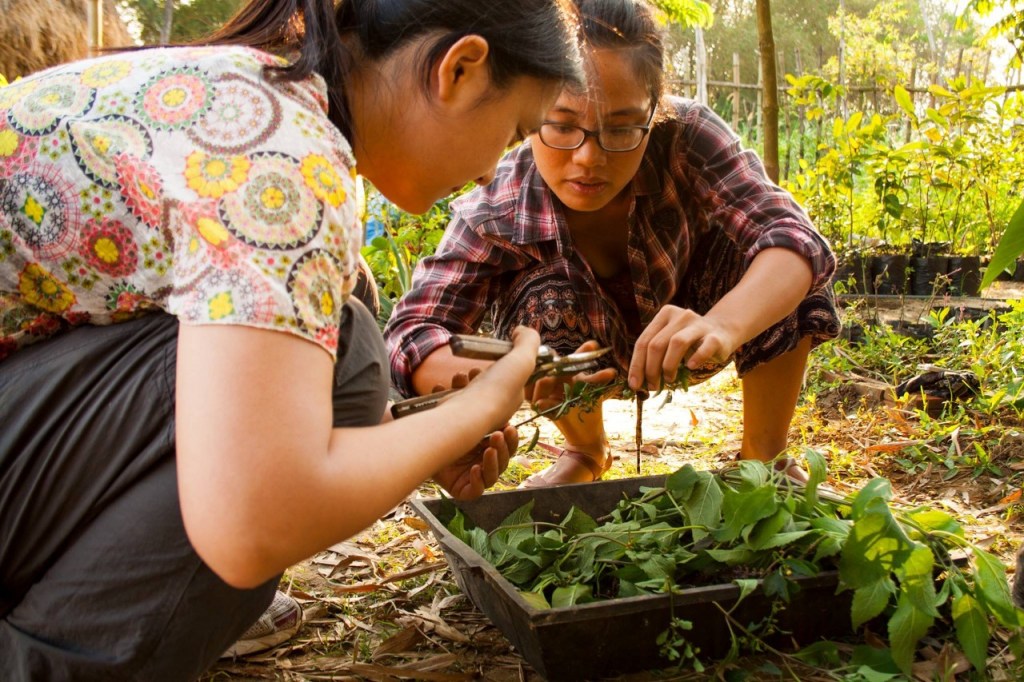
Our community schools offer the practices of different skills that are essential for more regenerative individuals and communities: how to work with nature, how to work with one another, how to redesign for sustainability.
A case of our work: From zero waste to regeneration
Community Schools for Regeneration are built on the understanding that zero waste is not only a waste management approach, but a regenerative system. By prioritizing prevention, decentralizing responsibility, and returning organic materials to soil and ecosystems, zero waste becomes a foundation for climate action, biodiversity restoration, and community resilience.
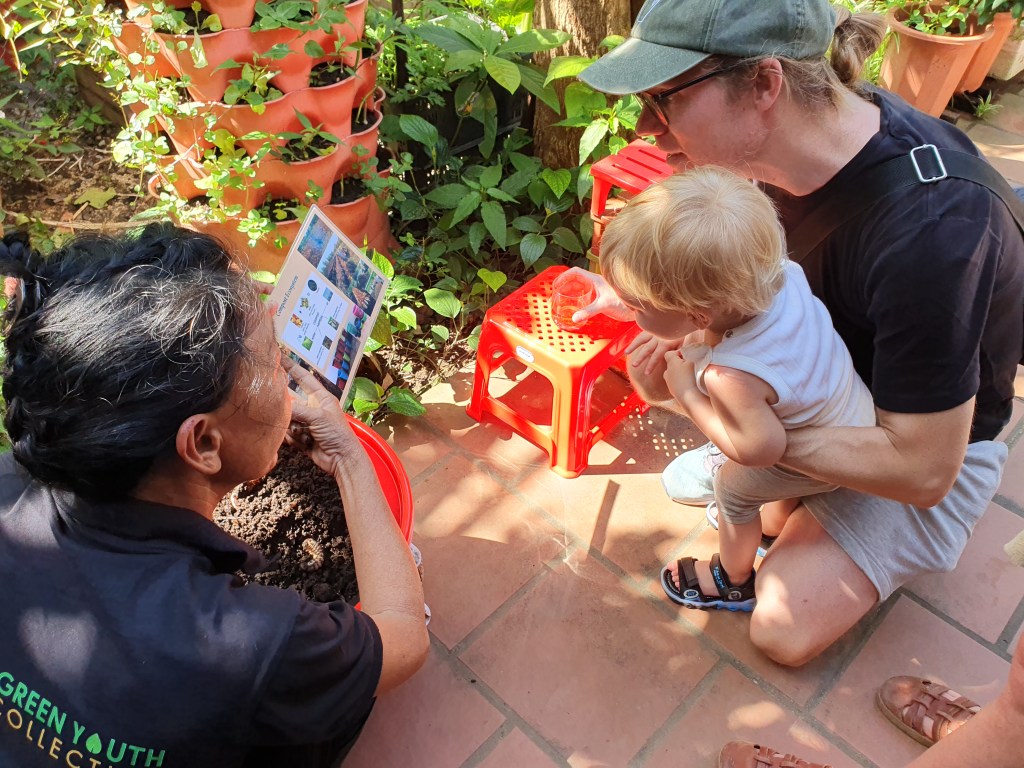
Through Community Schools, GYC and REED and our local partners demonstrate how organic waste can be transformed into compost and soil inputs, how reuse and refill systems can replace single-use consumption, and how these practices support livelihoods, reduce emissions, and restore degraded land.
These systems are owned and operated by local communities, with technical support, facilitation, and partnerships coordinated by GYC and REED.
A role beyond education
Community Schools for Regeneration also function as bridges between communities and larger systems. They are spaces where local practice informs policy, urban planning, tourism management, and environmental governance.
Through training programs, advisory work, and multi-stakeholder collaboration, lessons from these schools contribute to broader initiatives in zero waste tourism, regenerative agriculture, and sustainable destination management across Vietnam.
Community Schools are not isolated pilots. They are nodes in a growing network of regenerative practice, grounded locally and connected nationally and internationally.
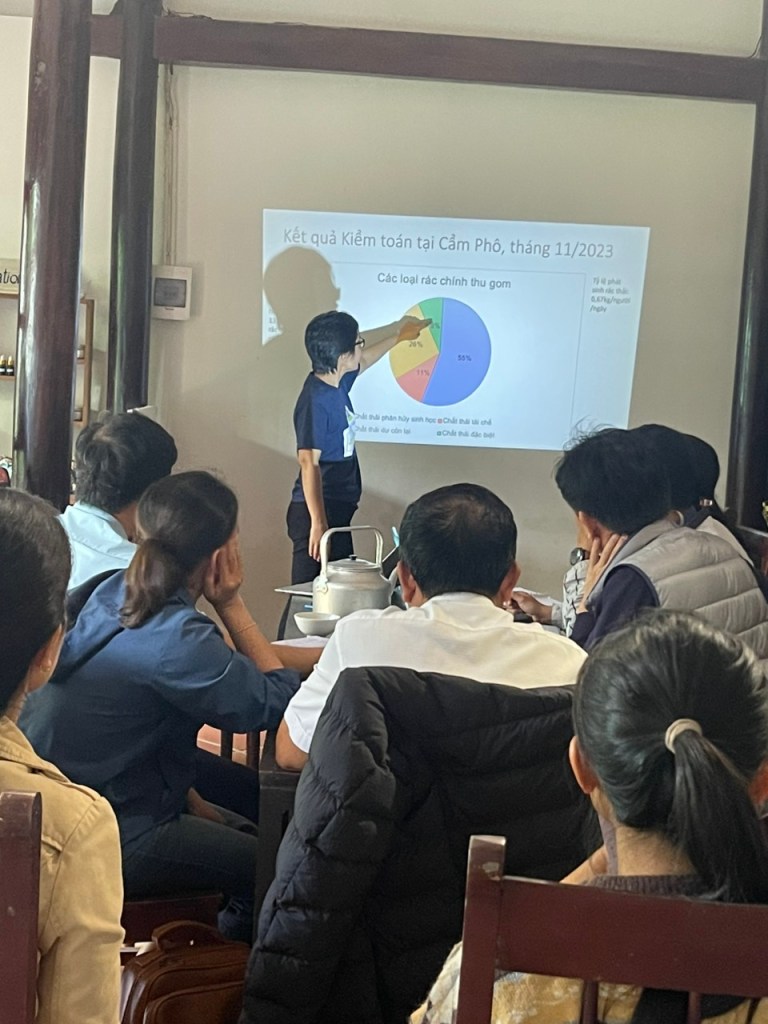
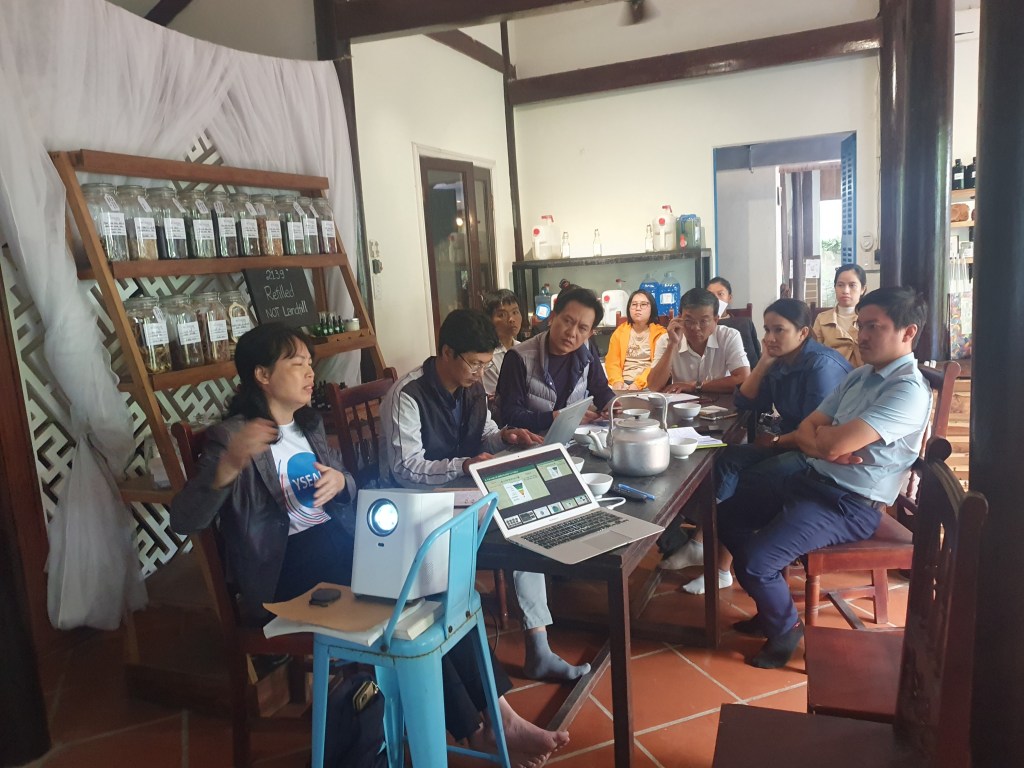
A locally based space ready at anytime to gather local government officials, experts and community representatives for dialogue and planning for actions together.
Who joins these schools?
Community Schools for Regeneration engage:
- Local residents seeking practical solutions for daily life
- Youth and students learning through real-world experience
- Educators and researchers exploring place-based learning
- Businesses and tourism partners transitioning toward sustainability
- Travellers seeking meaningful and responsible engagement
- Policymakers and development partners looking for grounded, scalable models
Participants engage as contributors to ongoing regeneration work, not as passive learners.
Learning that stays
The value of Community Schools for Regeneration lies not only in what is learned, but in what remains. When a program ends, systems continue to operate. Compost facilities remain active. Gardens continue to grow. Skills, relationships, and practices stay with the community.
This is education designed for long-term impact—supporting regenerative change for ecosystems, livelihoods, and the people involved.
If you are seeking learning that is practical, grounded, and regenerative,
we invite you to learn with us, work with us, and contribute to lasting change.
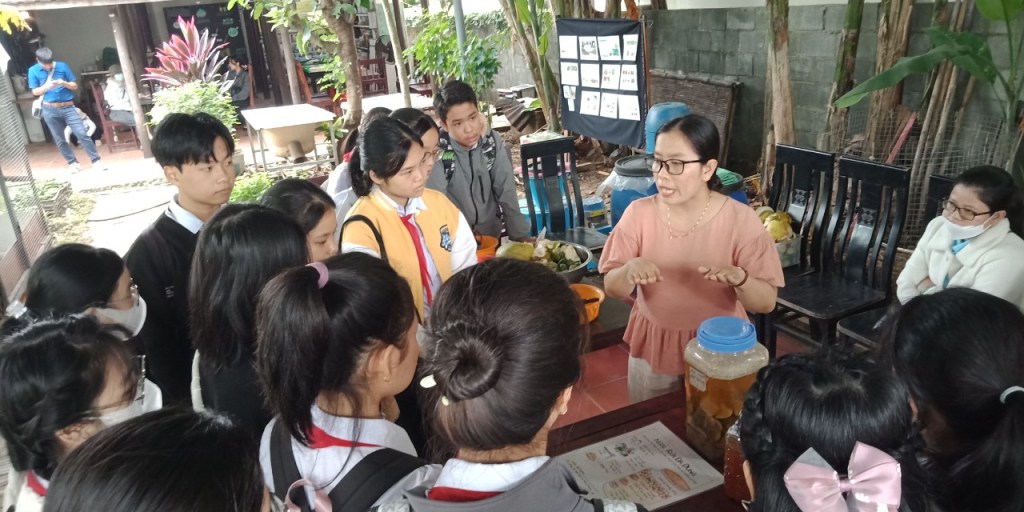
 Vietnam's Community Schools for Regeneration